BRICS Iran dispute tests bloc unity
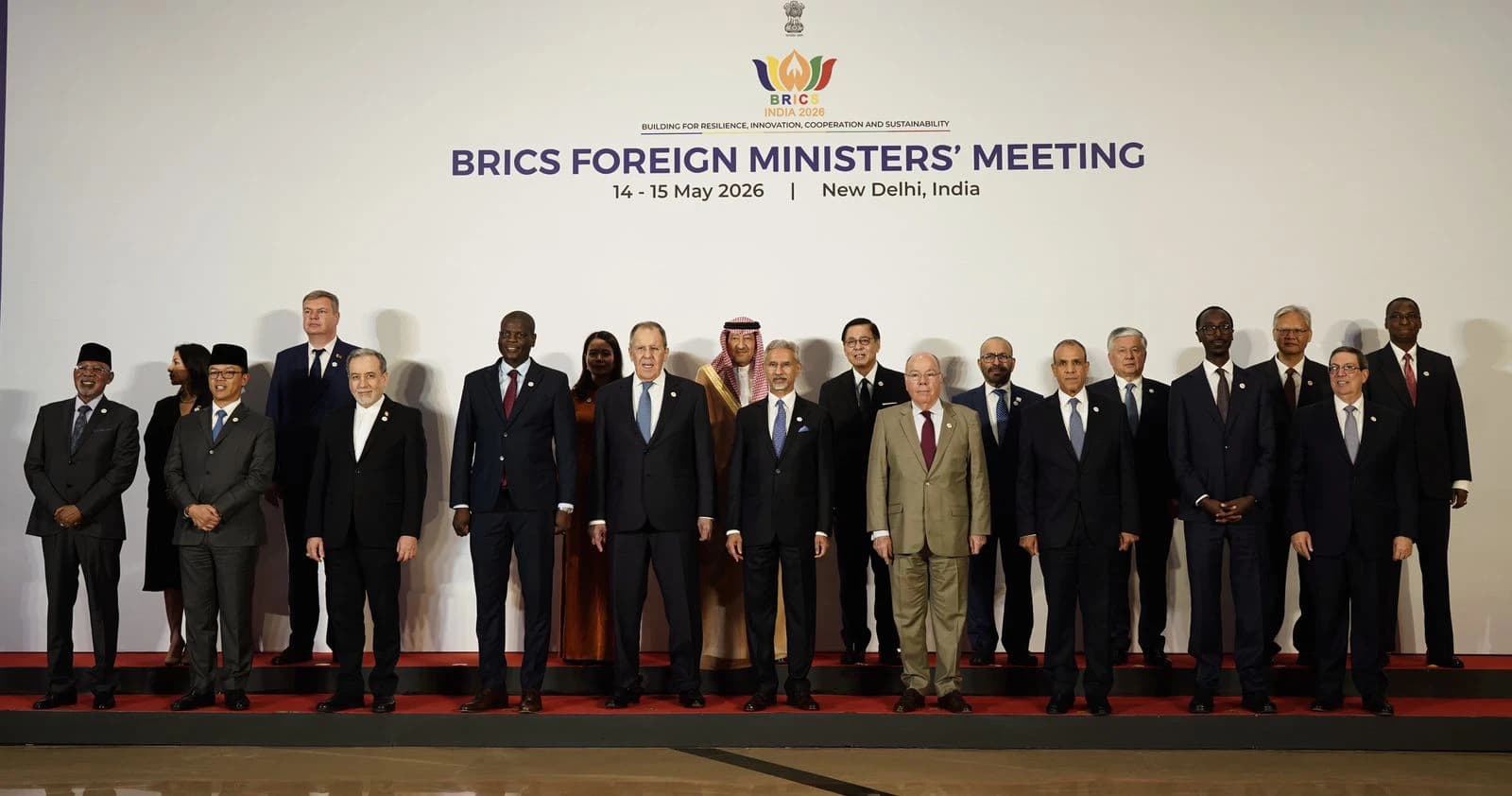
Russia says the Iran dispute has become the most serious political challenge inside BRICS, underscoring how the bloc’s expanded membership is making consensus harder just as Middle East tensions threaten trade, energy and diplomacy across the group.
Deputy Foreign Minister Sergei Ryabkov said the confrontation with Tehran is now the central political issue for the bloc because some BRICS members are openly opposed to Iran’s recent actions. He also pointed to wider instability in the Gulf as a core concern for the grouping, which now has to balance competing regional interests while trying to present itself as a unified counterweight to the West.
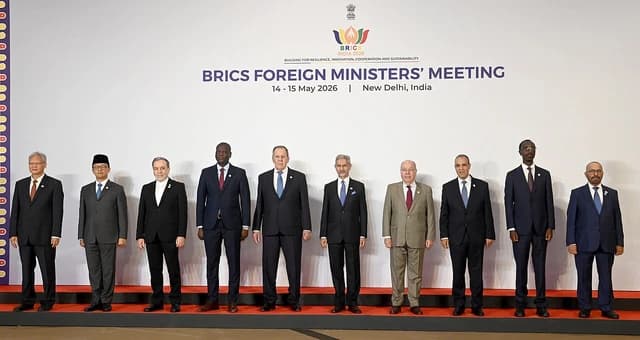
The comments matter because BRICS is no longer just a loose political forum. With more members and a broader geographic footprint, it is increasingly exposed to the fault lines of global geopolitics — especially over sanctions, security and energy flows. Any inability to reconcile views on Iran would weaken the bloc’s claims to strategic coherence at a time when its members are seeking greater influence in international institutions.
For markets, the immediate relevance runs through oil, risk appetite and the dollar. USO, the oil ETF, has climbed to 146.03, far above its 50-day moving average of 124.69, while its relative strength index at 73.1 points to stretched momentum after a sharp advance. That leaves crude vulnerable to any escalation in Gulf tensions, but also sensitive to signs that BRICS diplomacy might help cap the risk premium if talks progress.
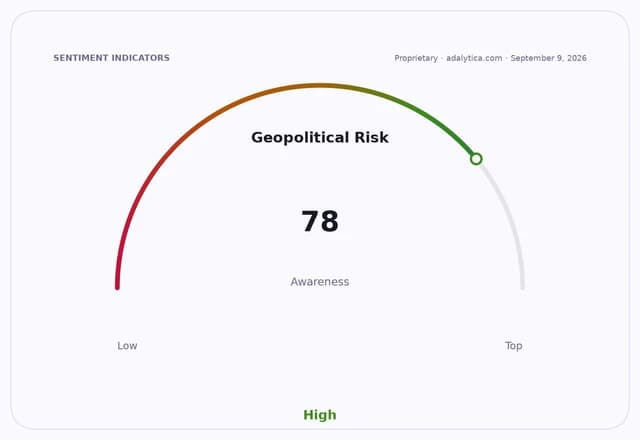
The foreign-exchange backdrop is similar. The dollar-tracking UUP fund has been steady around 27.99, with the U.S. currency still firm in Adalytica’s trade signals. A sustained rise in Gulf risk would tend to support the dollar and pressure emerging-market assets, while a successful BRICS effort to contain the Iran dispute could ease some of that pressure.
Ryabkov said work is under way on a document aimed at resolving the conflict, though he declined to make forecasts. That suggests the bloc sees the issue less as a side topic than as a live test of whether it can function as a diplomatic platform when its members do not agree on one of the Middle East’s most combustible flashpoints.
The stakes are especially high for India, which is preparing to host the next BRICS summit and has every incentive to keep the group from fragmenting into rival camps. For investors, the key question is whether BRICS can turn its talk of multipolar coordination into something more practical, or whether Iran becomes another reminder that the bloc’s political ambitions are running ahead of its internal alignment.
| Entity | Gains | Losses |
|---|---|---|
| BRICS unity advocates | ▲stronger forum role | ▼sharper internal splits |
| Iran | ▲diplomatic backing from Russia | ▼broader bloc resistance |
| Oil producers | ▲higher risk premium | ▼demand uncertainty if tensions ease |
| Dollar bulls | ▲safe-haven support | ▼reduced geopolitical bid if talks work |