BRICS Pushes Local Currency Trade Settlement
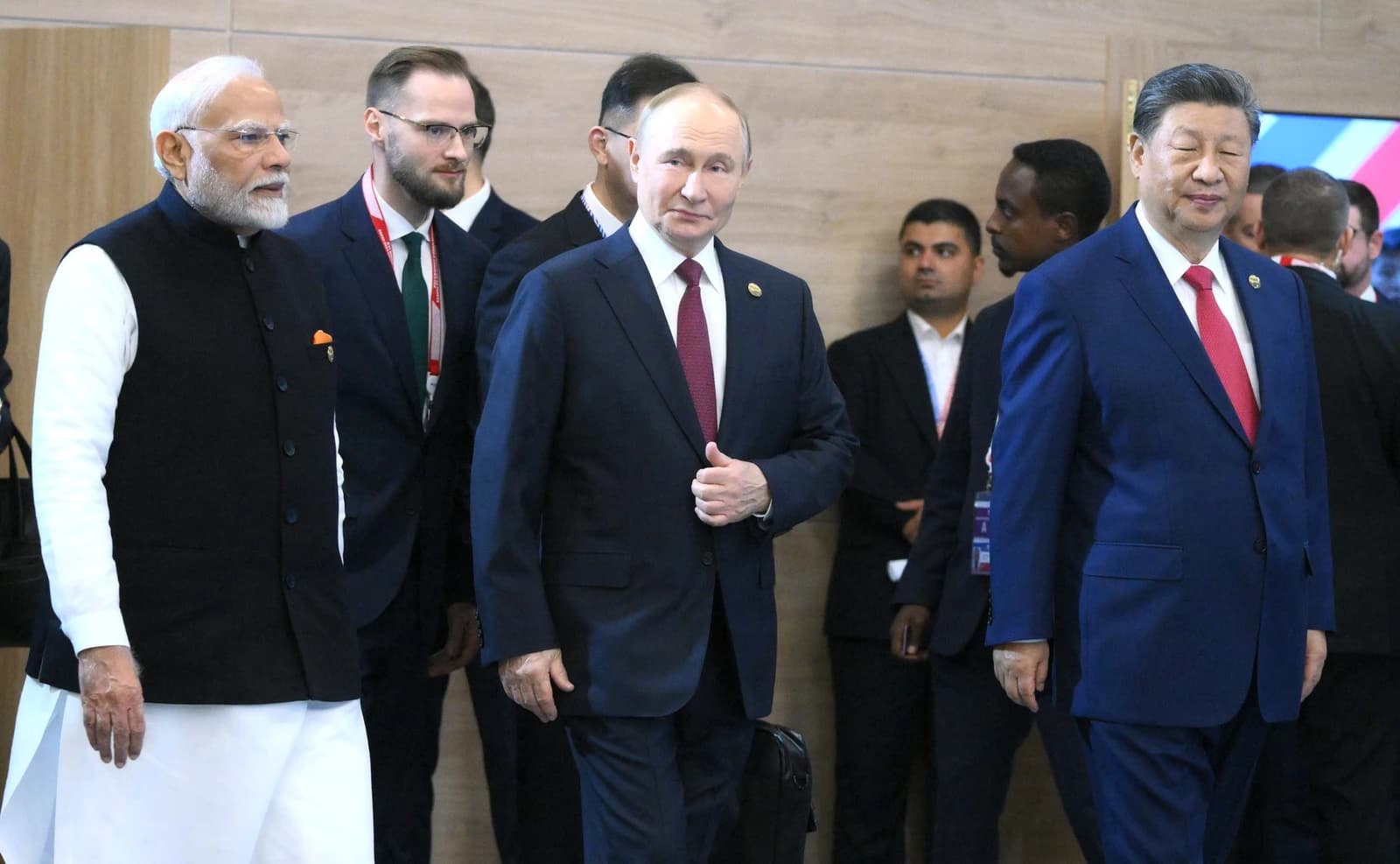
BRICS leaders used their New Delhi summit to push a practical retreat from dollar dependence, not a direct assault on the US currency, a distinction that matters for trade flows, sanctions risk and capital markets.
The bloc’s New Delhi Declaration stopped well short of the long-promised idea of a BRICS currency and instead backed local-currency settlement, interoperable payment rails and a broader campaign for reform at the IMF and World Bank. That is a far less explosive agenda than a full monetary alternative to the dollar, but it is still economically significant because it aims to make cross-border trade less vulnerable to US financial leverage.
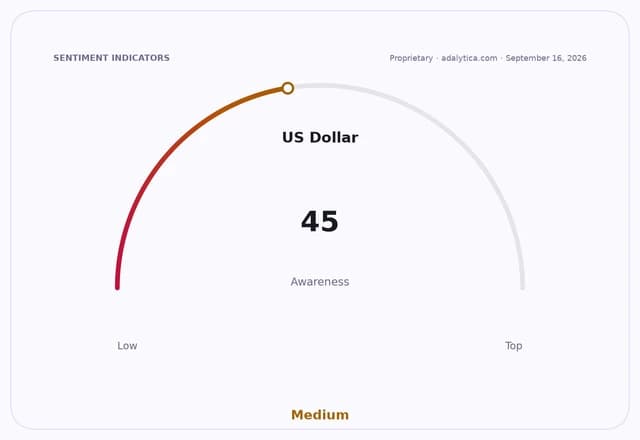
The message is not that the dollar is being replaced. It is that BRICS members want an insurance policy.
That distinction explains why India publicly closed the door on a common BRICS currency while endorsing local-currency trade settlement as a way to cut transaction costs. In practice, the bloc is trying to reduce its exposure to dollar-clearing, correspondent banking and other US-centred plumbing that can become a channel for sanctions, tariff retaliation or frozen payments. Russia and Iran, both heavily constrained by Western financial pressure, have the clearest incentive. China and India have broader strategic reasons to diversify options without triggering a direct confrontation.
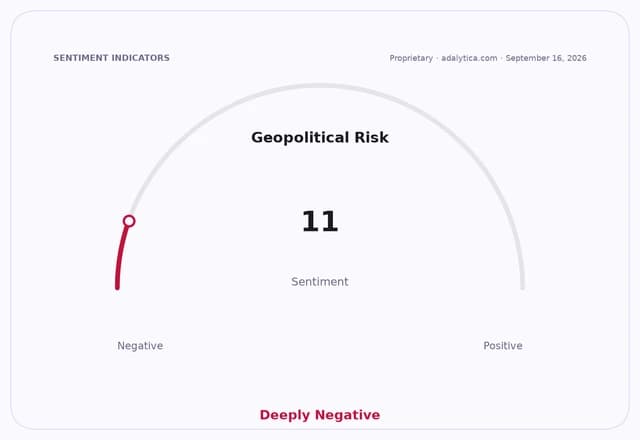
For investors, the immediate implication is less about a near-term hit to dollar hegemony than about incremental erosion at the margins. The dollar still dominates wholesale trade, reserve holdings and global finance, and several analysts in the summit’s orbit argued that most BRICS trade will remain invoiced in dollars for the foreseeable future. But the bloc’s push for local settlement, bilateral payment channels and eventually digital infrastructure points to a world in which more transactions are routed outside the back-office systems that support dollar centrality.
That matters for banks, payment networks and companies with heavy cross-border exposure. If BRICS members build interoperable rails that let firms settle directly in yuan, rupees, reais or rand, that could gradually trim volumes for intermediaries that profit from FX conversion and dollar clearing. It may also complicate the transmission of US sanctions and secondary restrictions, even if it does not eliminate them.
The summit also underscored how geopolitical fragmentation is feeding financial fragmentation. With Washington leaning more on tariffs and emerging economies seeking more influence inside the IMF and World Bank, BRICS is positioning itself both as a reform bloc and as a hedge against a more politicised dollar system. That dual track — reform the existing order, while building parallel mechanisms — is the core market story.
The near-term risk is overreading the symbolism. BRICS Pay is not yet operational, the bloc remains politically fragmented and the scale of intra-group trade still falls far short of what would be needed to challenge the dollar at the system level. But the direction of travel is clear: BRICS is trying to preserve optionality in case the dollar remains a currency of commerce but becomes, increasingly, a tool of coercion.
| Entity | Gains | Losses |
|---|---|---|
| BRICS members | ▲More payment optionality | ▼Less reliance on dollar plumbing |
| US dollar system | ▲Short-term resilience | ▼Gradual marginal erosion |
| US Treasury/sanctions regime | ▲Limited immediate impact | ▼Less jurisdictional leverage |
| Global banks/payment firms | ▲Stable core flows | ▼Potentially lower FX/clearing fees |