BRICS Trade Frictions Weigh on India, China Funds
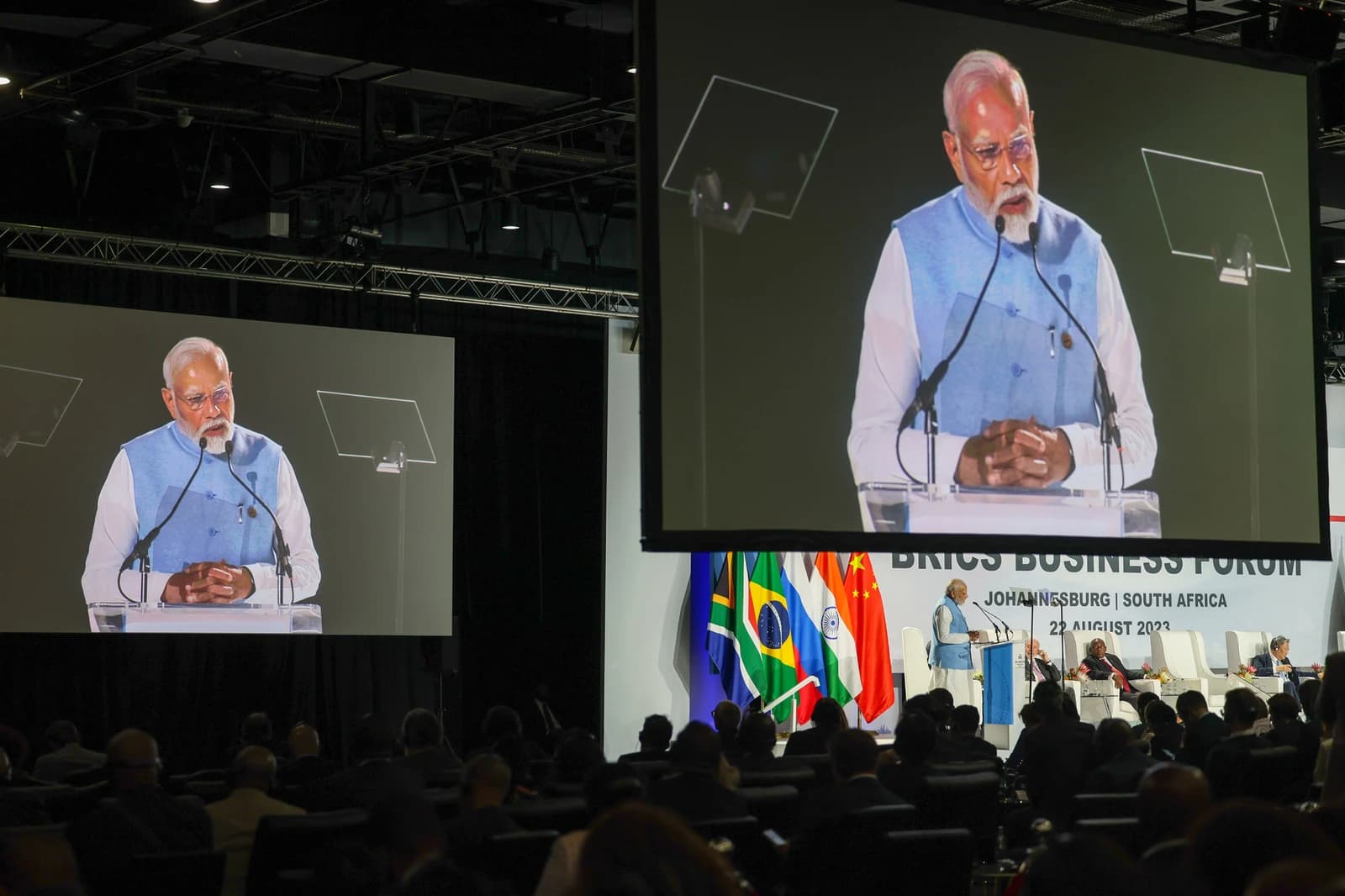
BRICS members have raised fresh questions over India’s trade policy and pressed China and Indonesia for greater transparency ahead of the group’s conference, underscoring how the bloc’s push for tighter economic coordination is running into friction over market access and policy openness.
The timing matters because BRICS has tried to present itself as a counterweight to Western-led trade rules, but internal disputes over tariffs, import barriers and disclosure standards can slow efforts to deepen commerce among its members. For investors, that raises the risk that the bloc’s headline rhetoric on cooperation will not translate quickly into easier trade flows or more predictable regional investment conditions.
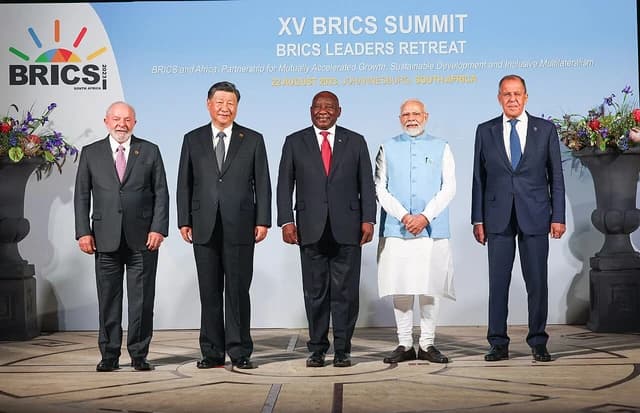
India is central to that tension. As one of the largest emerging-market importers and a key destination for supply-chain diversification, any perception that New Delhi is becoming more protectionist can affect manufacturer planning, bilateral trade talks and capital allocation across Asia. China’s call for transparency also reflects broader demands for clearer policy signaling from the world’s second-largest economy, particularly as cross-border trade and industrial policy remain politically sensitive.
Market reaction in country funds was mixed but pointed to caution. The India-focused INDA ETF slipped to $48.57 on Friday from $50.23 in late August, while the China ETF FXI ended at $34.49 and Indonesia’s EIDO closed at $12.75, both below recent levels. INDA remains below its 50-day moving average of $49.38 and 200-day average of $50.32, while FXI is under both its 50-day and 200-day averages, a sign investors are not yet pricing in a clean resolution to trade-policy tensions.
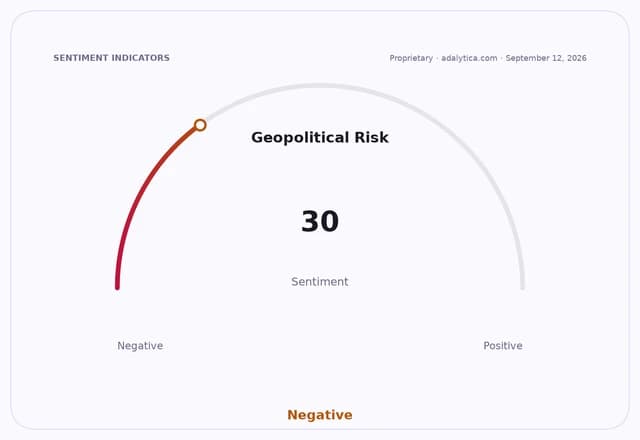
Technical readings also show fragile sentiment. INDA’s RSI was 39, FXI’s 31.4 and EIDO’s 49.5, suggesting India and China funds have weakened materially even as Indonesia has held up better. The Adalytica Global Stability Sentiment gauge also sat at 30, labeled Fear, while the US–China Relations Sentiment reading remained elevated at 93, indicating investors are still treating geopolitical and trade headlines as a live risk factor.
The bigger story is that BRICS is trying to expand its economic relevance while its biggest members remain divided on how open their own markets should be. That makes the conference more about managing rivalries than unveiling a unified trade agenda, and it leaves investors watching whether the bloc can convert political coordination into measurable economic integration.
| Entity | Gains | Losses |
|---|---|---|
| India exporters | ▲Easier market access if policy softens | ▼If trade frictions deepen |
| China and Indonesia | ▲Clarity from transparency demands | ▼If scrutiny limits policy flexibility |
| BRICS bloc | ▲Greater credibility if disputes narrow | ▼Unity narrative if tensions persist |
| INDA / FXI holders | ▲Relief if trade talks improve | ▼More downside from policy uncertainty |