Bridge key breach renews crypto custody concerns
AFX Trade’s $24 million loss after bridge keys were compromised underscores how quickly decentralized finance can be undone by custody failures, even when the underlying blockchain bridge itself remains intact.
Security firms said the attacker used enough hot-validator signatures to authorize a 24.15 million USDC withdrawal, effectively turning operational access into on-chain authority. Arbitrum said its native bridge was not affected, an important distinction because it suggests the exploit hit a third-party platform built on top of the network rather than the network’s core infrastructure. For investors, that matters because bridge and cross-chain risk remains one of the biggest unresolved structural weaknesses in crypto markets, where user confidence depends as much on private key governance as on code.
The episode highlights a recurring economic problem in digital assets: settlement may be fast, but finality is only as good as the controls around the keys that can move funds. In traditional finance, a breach of this size would prompt scrutiny of internal controls, segregation of duties and transaction approval frameworks; in crypto, the equivalent failure can unfold in minutes and be visible to the market in real time. That raises the cost of capital for protocols and venues that rely on bridges, validator sets and multisig wallets, because every incident reinforces the idea that operational risk can dominate technical design.
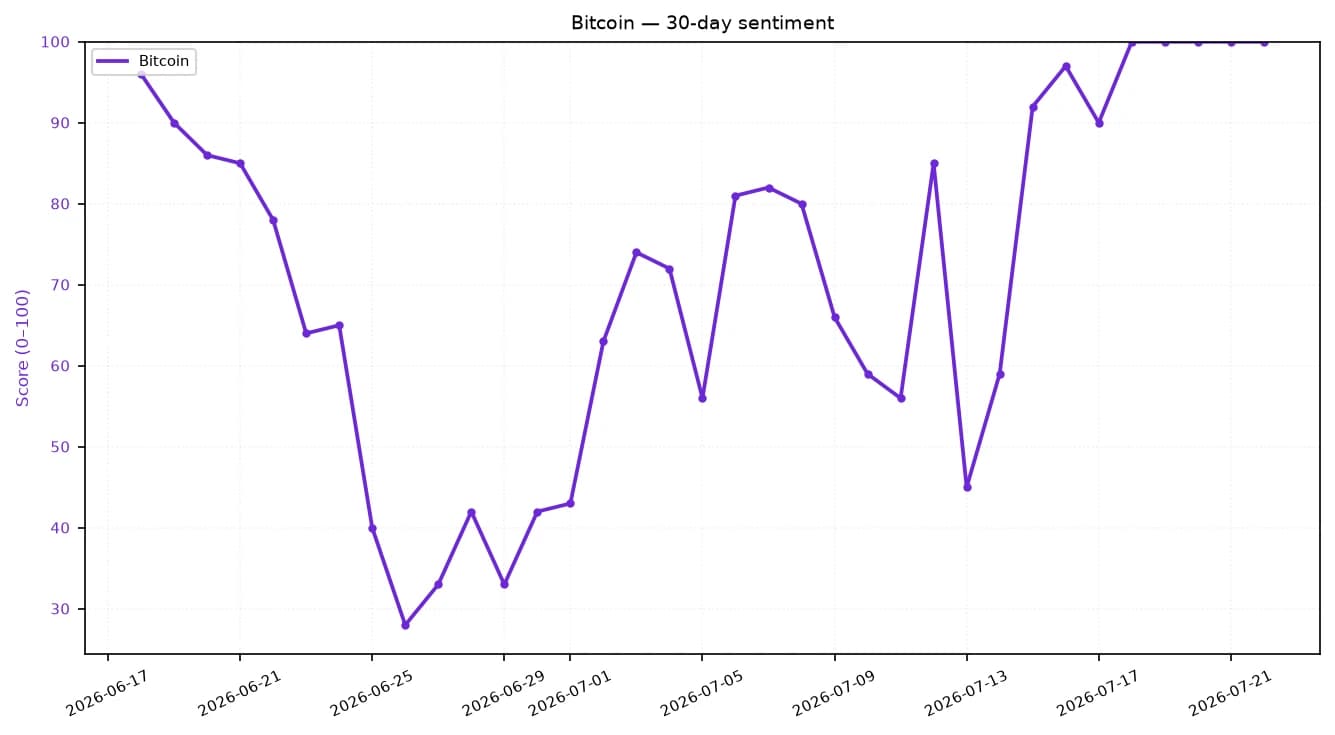
The market impact is broader than AFX Trade alone. Bridge exploits tend to damage trust across the sector because users rarely distinguish cleanly between one protocol and the ecosystem around it. Even when a chain’s core bridge is unaffected, as Arbitrum said here, the reputational spillover can hit adjacent tokens, trading volumes and liquidity provision if users decide that cross-chain transfers are too risky. That is especially relevant after a period of strong crypto sentiment, when investors are already paying up for exposure and may be less tolerant of headline risk.
For Coinbase and other exchanges, the story also reinforces why custody, compliance and security services remain central to the crypto business model. Investors have long rewarded platforms that can monetize trust, whether through custody, stablecoin flows or transaction services. A high-profile bridge drain reminds the market that security failures at the application layer can still redirect activity toward more centralized intermediaries, even if only temporarily.
The bull case is that these incidents accelerate better controls, tighter validator governance and more mature bridge architecture. The bear case is that repeated compromises keep depressing confidence in cross-chain DeFi and preserve a discount on protocols that depend on complex multi-party signing arrangements. For investors, the key question is not whether one bridge was patched or one network was spared, but whether the industry can reduce key-management risk enough to make large-scale on-chain finance feel durable.
| Entity | Gains | Losses |
|---|---|---|
| AFX Trade attacker | ▲Stolen USDC | ▼Exposure to tracing |
| AFX Trade users | ▲None | ▼Lost funds |
| Arbitrum network | ▲Core bridge reputation preserved | ▼Ecosystem trust spillover |
| Security-focused custodians/exchanges | ▲Stronger demand for controls | ▼Higher scrutiny on bridges |