British Pound Nears Six-Month High vs Dollar

The British pound is holding close to a six-month high against the dollar as easing fears of a broader Middle East shock and a slide in the greenback combine to support higher-beta currencies.
Sterling was trading around 1.36 against the dollar, near the top end of its recent range and not far from last week’s 1.37 peak, with the move unfolding as investors priced a better chance that tensions around the Strait of Hormuz will not immediately spiral into a wider energy crisis. The pound’s exchange-traded fund, FXB, was also steady near 131.16, while Adalytica’s British pound trade signals showed “Extreme Greed,” underscoring how sharply positioning has tilted in favor of sterling over the past week.

The market’s logic is straightforward: if Hormuz-related disruption is contained, the immediate bid for the dollar as a haven fades, while currencies linked more closely to global risk appetite and domestic growth can hold gains. That matters economically because Britain is a net energy importer and would normally be vulnerable to any sustained oil spike. A calmer oil backdrop helps limit imported inflation pressure, preserves household purchasing power and reduces the odds that the Bank of England is forced into a more restrictive policy path.
The pound’s resilience also reflects a softer dollar tone. Adalytica’s dollar trade signals showed “Extreme Fear,” suggesting investors have become more comfortable selling the US currency even with geopolitical headlines still noisy. The move has been accompanied by only a modest pickup in FX volatility signals, which points to a market that is alert but not yet in full defensive mode.
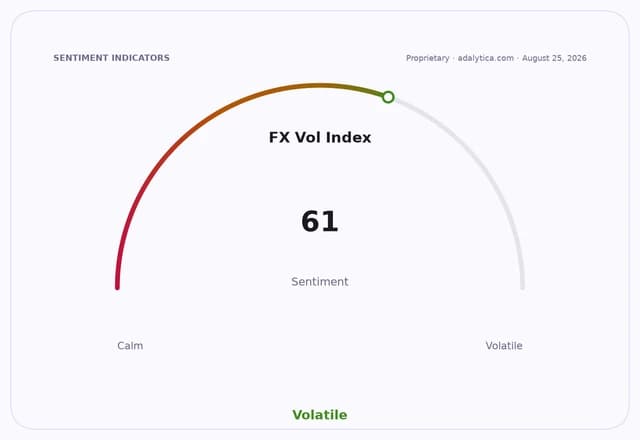
For investors, the key question is whether sterling can extend beyond a tactical risk rally into a more durable trend. Technically, GBP/USD remains above its 50-day and 200-day moving averages in the data provided, while momentum readings remain elevated, though the relative strength index on the latest print is stretched enough to suggest the pair may be vulnerable to a pause if oil prices rebound or if the geopolitical backdrop deteriorates again. Crude’s sharp swings, reflected in USO’s recent drop from earlier highs, reinforce how sensitive the currency tape remains to any change in the Hormuz narrative.
The bullish case for sterling is that the dollar’s safe-haven premium continues to erode while UK inflation risks stay contained if energy markets stabilize. The bear case is that any fresh escalation in the Gulf quickly revives oil insecurity, lifts global inflation expectations and pulls the pound back down as investors rush toward the dollar and other refuges.
For now, the pound’s message is less about UK-specific strength than about relief that the worst-case energy scenario has not yet materialized. The next leg for sterling will likely depend on whether diplomacy can keep shipping routes open, and whether oil markets continue to believe that the threat to Hormuz is more bargaining leverage than imminent disruption.
| Entity | Gains | Losses |
|---|---|---|
| British pound | ▲Higher on risk relief | ▼Exposed if oil spikes |
| US dollar | ▲Lower haven demand | ▼Loses safe-haven bid |
| Oil importers | ▲Lower inflation pressure | ▼Less need for hedging |
| Oil exporters | ▲Stable demand worries ease | ▼Reduced crisis premium |