BSR Secures Ethanol Supply for Vietnam E10 Rollout
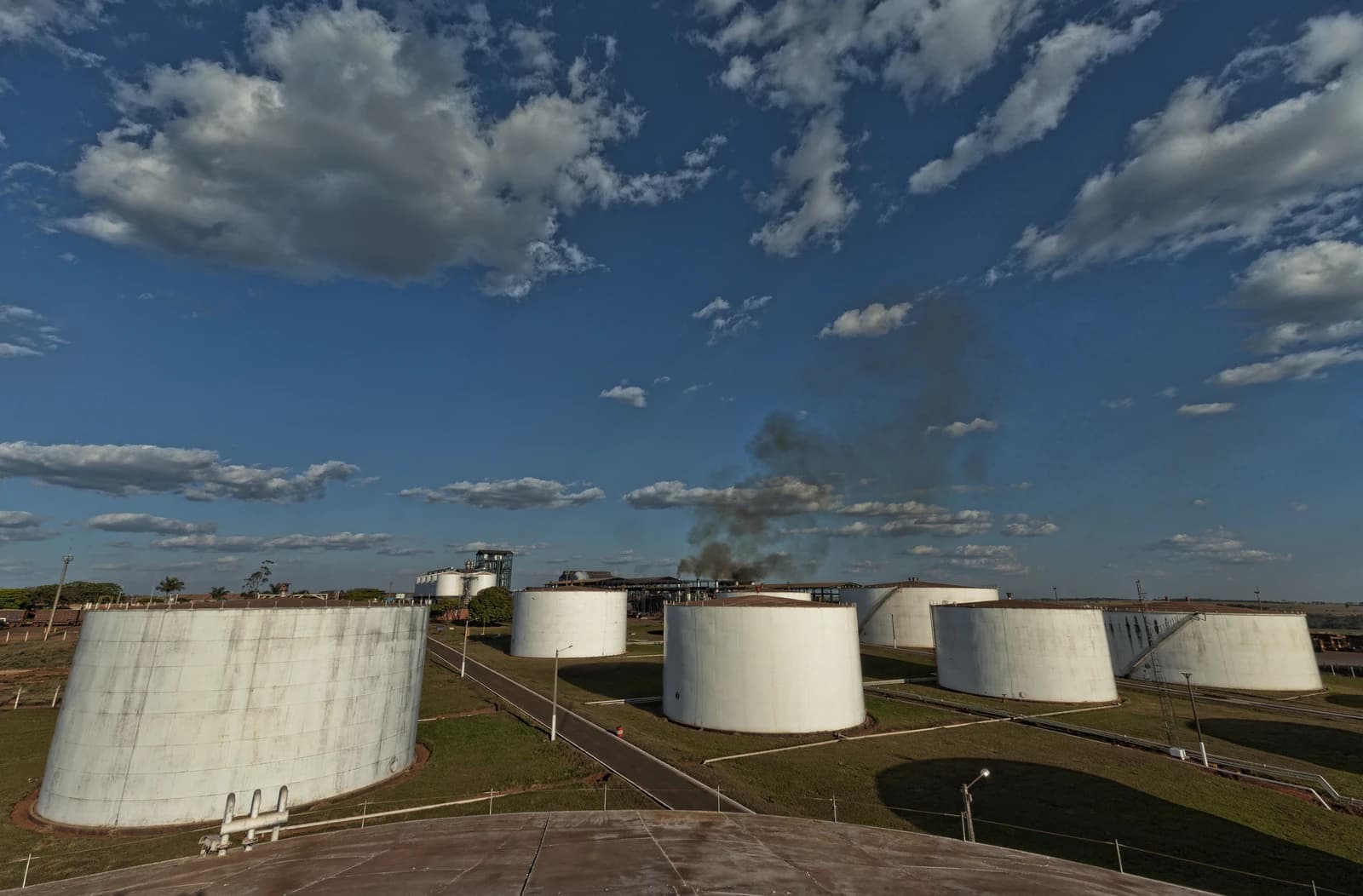
BSR is moving to lock in ethanol supplies ahead of Vietnam’s nationwide E10 gasoline rollout in June 2026, a shift that could reshape the country’s fuel market and reward companies able to secure low-cost, long-term biofuel feedstock.
The Vietnamese refiner said it has been working with SDIC Biotechnology Investment Co. in China on cooperation to produce and market fuel ethanol, while also exploring broader green-energy opportunities including second-generation ethanol, sustainable aviation fuel, green methanol and carbon-cutting technologies.
For investors, the key point is not just partnership headlines. It is the scale of the supply gap. BSR estimates Vietnam will need about 80,000 to 100,000 cubic meters of ethanol a month once E10 is introduced nationwide, while domestic production is only around 25,000 cubic meters. That leaves roughly 75,000 cubic meters a month to be covered by imports, creating a major opportunity for suppliers and traders with reliable logistics and competitive pricing.
BSR itself expects to need about 9,000 to 11,000 cubic meters of ethanol each month to support blending at the Dung Quat refinery. That makes supply security a practical issue, not an abstract sustainability goal. If BSR cannot line up stable ethanol flows, its ability to supply E10 on time and at scale could be constrained. If it can, the company gains an important foothold in a market that should expand as Vietnam pushes cleaner transport fuels.
The talks with SDIC Biotech also show how biofuels are becoming a cross-border business, not just a domestic refinery add-on. BSR said it was assessing SDIC’s production capacity, raw-material base, ethanol technology, logistics network and quality control, with an eye to shipments of roughly 5,000 to 5,500 cubic meters per cargo by sea or road. That kind of flexibility matters in a market where import dependence is likely to remain high for years.
The broader opportunity goes beyond fuel ethanol. BSR is also studying SDIC’s work in second-generation ethanol from agricultural biomass, SAF and green methanol, all of which could become more valuable as airlines, refiners and governments look for practical ways to cut emissions without overhauling existing infrastructure. Those are long-duration markets, and they tend to favor companies that build relationships and technical know-how early.
For long-term investors, the story is really about transition economics. Vietnam’s move toward E10 creates demand, imports fill the gap, and partnerships like this one help determine who captures the margin. The winners are likely to be companies that can secure feedstock, manage logistics and stay competitive on price. The losers are suppliers that miss the shift or cannot deliver at scale.
BSR’s move is worth watching because it is the kind of operational step that can matter for years, not just one quarter. In a world where energy transition is often talked about in broad terms, this is a concrete example of how the fuel mix changes — one supply contract, one blending mandate and one refinery at a time. For investors looking at biofuels and energy transition names, that makes BSR and its potential partners worth keeping on the watchlist.
| Entity | Gains | Losses |
|---|---|---|
| BSR | ▲Secure E10 feedstock | ▼Supply disruption risk |
| SDIC Biotech | ▲Long-term export demand | ▼Missed Vietnam opportunity |
| Ethanol exporters | ▲Higher import volumes | ▼Domestic shortfall |
| Fossil-only fuel suppliers | ▲— | ▼Market share in blending shift |