BTCPay Server’s emergency patch has put a fresh spotlight on the operational risks facing merchants that accept bitcoin directly, underscoring how a flaw in payment infrastructure can quickly become a balance-sheet and reputational issue for businesses built around self-custody.
BTC at 28.73 as BTCPay emergency patch raises risk
The significance goes beyond one software update. BTCPay is widely used by merchants that want to process bitcoin without relying on traditional payment intermediaries, which makes it attractive for fee control and autonomy but also shifts more security responsibility onto the merchant. An emergency patch suggests the vulnerability was serious enough to warrant immediate action, and that matters because merchant payment systems sit at the intersection of checkout continuity, customer data protection and treasury management.
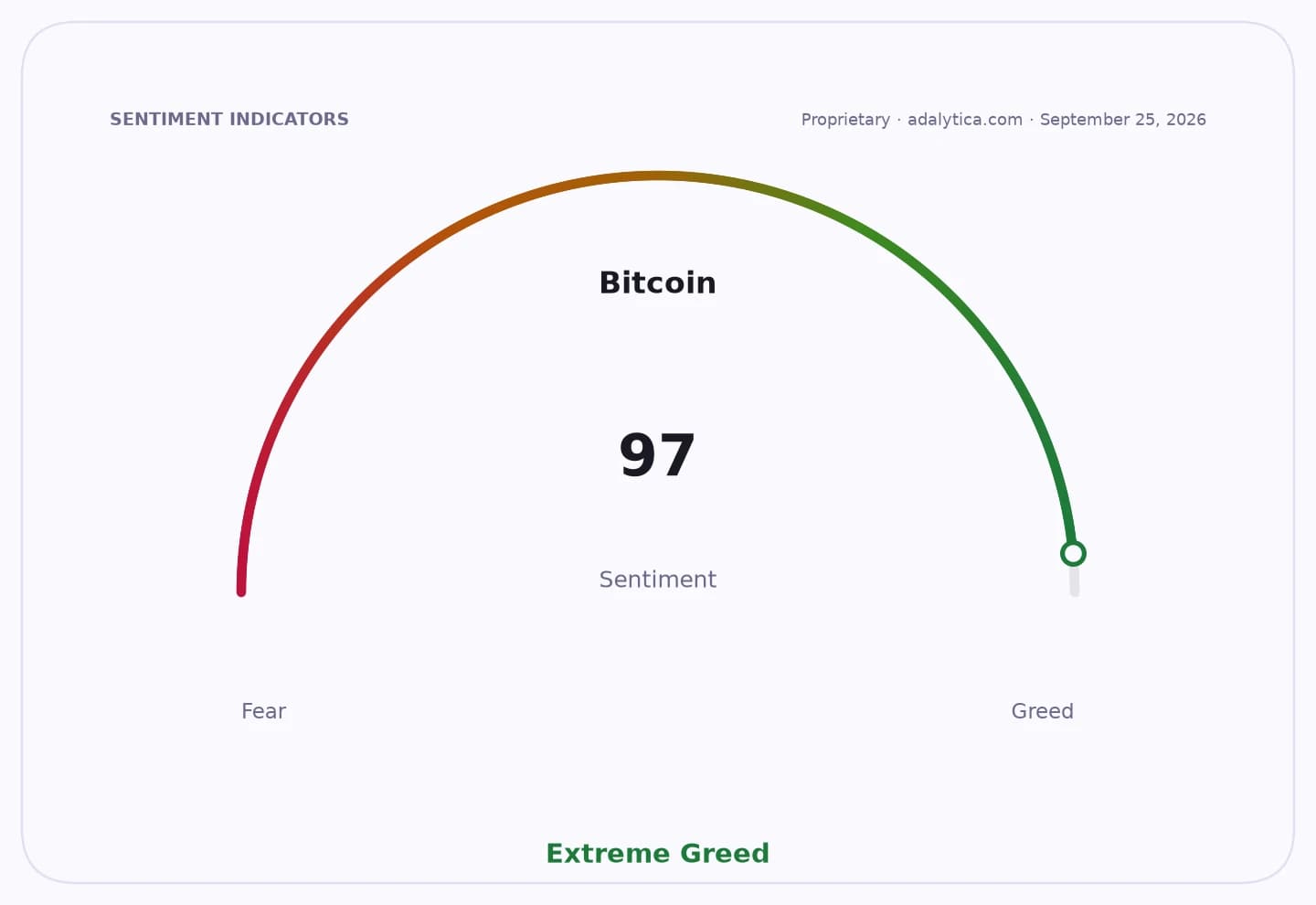
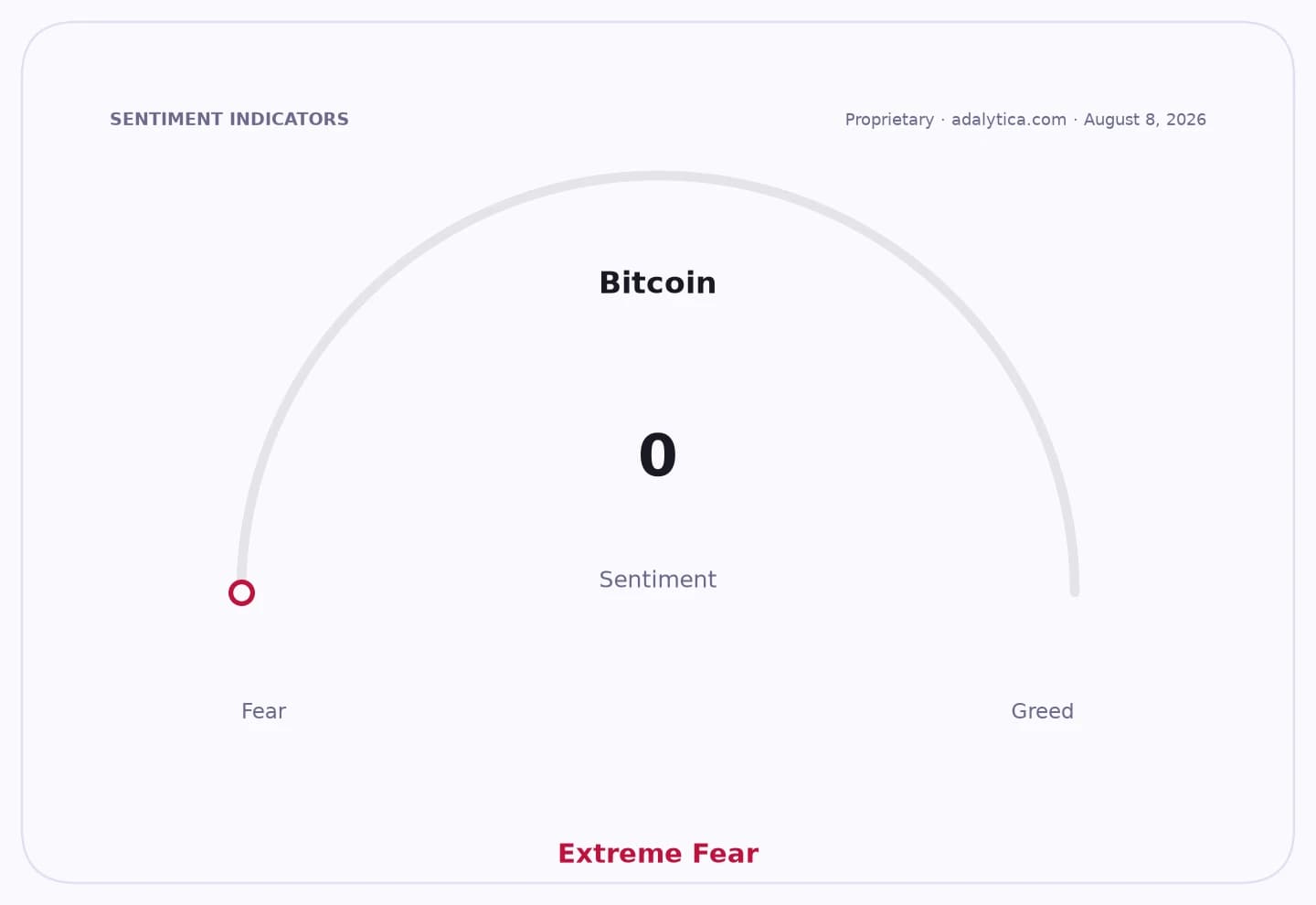
For bitcoin adoption, the episode is a reminder that the ecosystem’s appeal still depends on software reliability as much as price performance. The token itself has been under pressure, with BTC trading at 28.73 after a steep decline from 43.25 on Jan. 14 and 47.93 on Aug. 29 in the supplied data. Technical readings show BTC hovering only slightly above its 50-day moving average and below its 200-day average, while Adalytica’s Bitcoin Fear & Greed Index has fallen to “Extreme Fear,” with sentiment at 0 and awareness at 100. That combination points to a market already fragile enough that a merchant-side security scare can reinforce caution among smaller businesses considering direct bitcoin payments.
The risk is also commercial. Merchants using BTCPay typically do so to avoid card-network fees and chargeback risk, but those benefits can be outweighed if a payment stack needs emergency maintenance or raises the probability of theft, downtime or reconciliation errors. For businesses already operating on thin margins, a security patch can translate into higher IT costs, more frequent code reviews and a lower appetite to hold bitcoin on the balance sheet. It also complicates the pitch from bitcoin payment advocates who argue that self-hosted infrastructure is a cleaner alternative to legacy processors.
Investors should see the development as part of a broader pattern in crypto infrastructure: the more companies move closer to the rails, the more they inherit the security burdens of running them. That can be read two ways. Bulls will argue that rapid patching shows the open-source ecosystem can respond quickly and that merchant demand for bitcoin payments remains intact. Bears will say the incident reinforces a structural weakness in crypto commerce, where every added layer of autonomy creates a new attack surface and a new operational risk premium.
The immediate focus is whether the fix restores confidence without disrupting merchant activity. More broadly, any follow-on disclosure about the nature of the flaw, whether funds or data were exposed, and how widely BTCPay is deployed will shape the next leg of the story. For investors, the key takeaway is that bitcoin’s merchant use case is still constrained less by ideology than by the mundane but decisive question of whether the software can be trusted in production.
| Entity | Gains | Losses |
|---|---|---|
| BTCPay users who patch quickly | ▲Reduced exposure | ▼Emergency maintenance burden |
| Merchants accepting bitcoin | ▲Lower fee reliance | ▼Higher security and downtime risk |
| Legacy payment processors | ▲Relative credibility | ▼Lost direct-bitcoin adoption pitch |
| BTC bulls | ▲Open-source resilience narrative | ▼Confidence in merchant adoption |