Budget-conscious European travel is proving resilient enough to keep tourism stocks and low-cost carriers bid, even as consumer confidence remains fragile and investors worry that the next leg of demand may depend on squeezing more value out of every trip.
Budget Travel Supports Europe Leisure Stocks
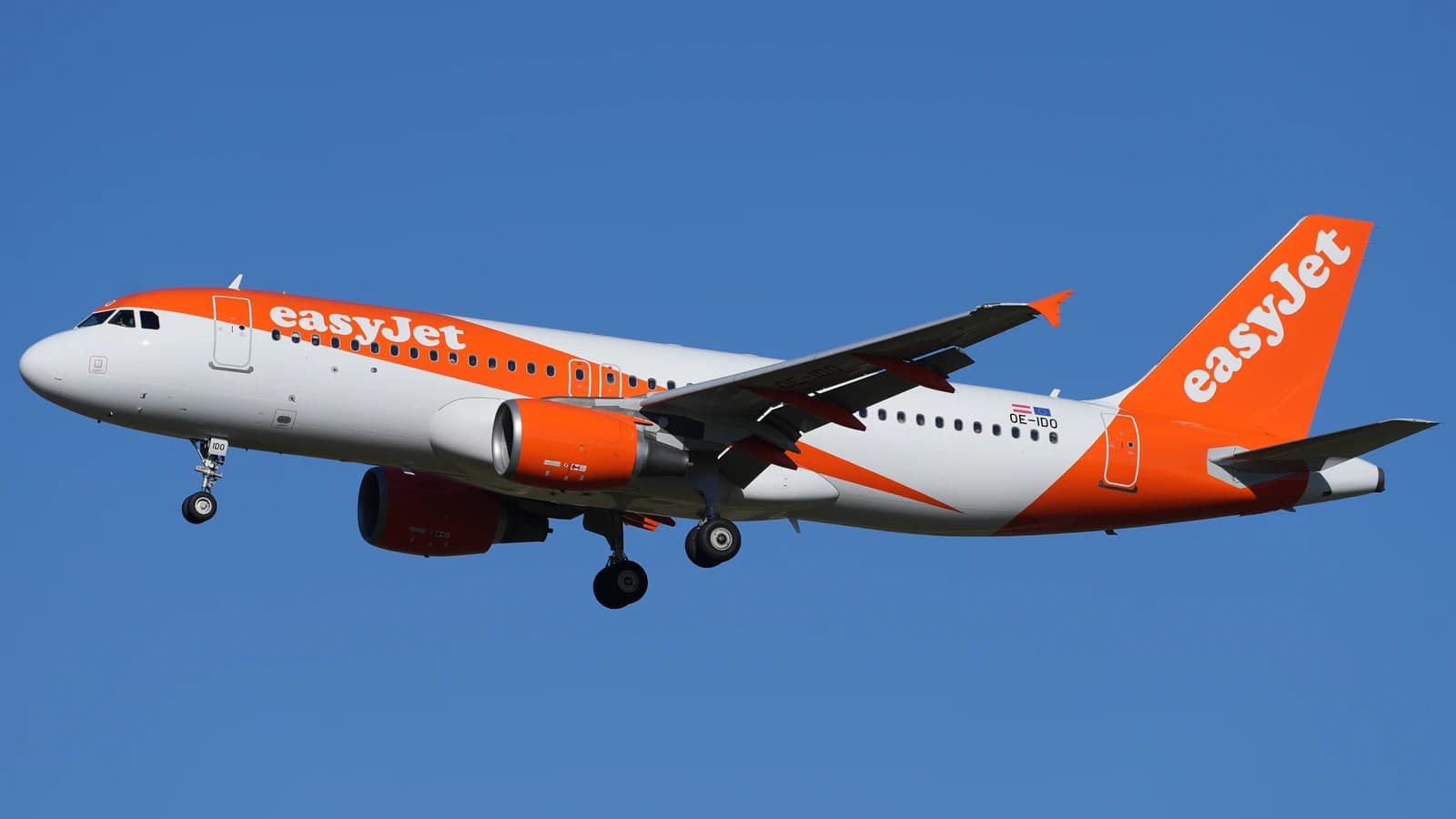
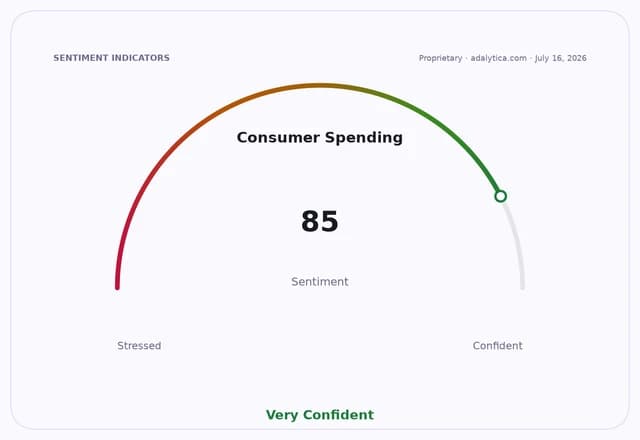
That matters because the dominant travel theme in Europe right now is not luxury demand, but yield discipline: travelers are still going, but they are trading down, stretching trips and hunting for cheaper transport, which supports volume for airlines, cruise operators and packaged-vacation groups without necessarily restoring the pricing power seen earlier in the cycle. Adalytica’s Consumer Spending Sentiment gauge remains firmly in “Greed” territory at 85, while its consumer-confidence recession measure sits at 33, pointing to a consumer that is still spending but remains highly sensitive to price.
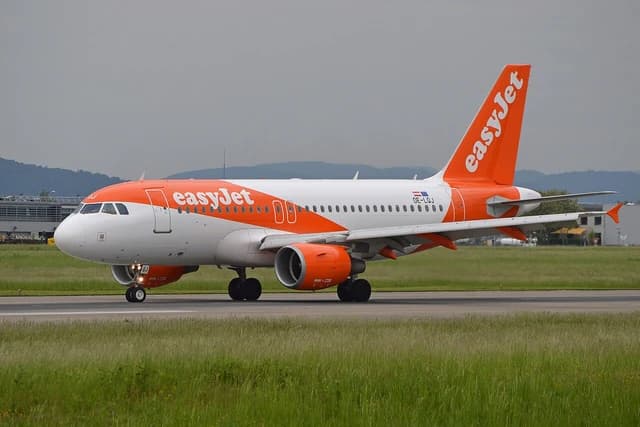
The market is already reflecting that split. Allegiant Travel, the ultra-low-cost carrier, has climbed to 105.62 from 58.03 on Nov. 4, a move that suggests investors are rewarding the cheapest end of the travel market for holding onto price-sensitive demand. The stock remains above both its 50-day and 200-day moving averages, though momentum has cooled in recent sessions, with RSI at 45.2 and the MACD easing lower, hinting that the rally is consolidating rather than accelerating.
Travel + Leisure has also gained ground, closing at 75.61 versus 56.68 in October, underscoring how packaged leisure exposure continues to attract buyers looking for a consumer-services business tied to repeated trips and lower-ticket travel. Royal Caribbean, meanwhile, sits at 292.72, well below its early-year highs, after a sharp round trip that shows how even a strong cruise backdrop can be punished when investors question how much more pricing upside remains.
The economics are straightforward. European travel demand is being supported by a consumer who wants experiences but is increasingly budget aware, which favors businesses able to offer lower fares, bundled stays or high-volume routes. That is supportive for carriers and operators with efficient cost structures, but it is less helpful for premium brands that rely on fare expansion or discretionary upselling. It also keeps pressure on margins if discounting becomes the price of filling seats, cabins and tours.
There is also a policy angle. Cities from Balti to larger European tourist centers are experimenting with cheaper or free public transport, part of a broader push to make urban travel more accessible and sustainable. For travelers, that lowers the total cost of a city break. For operators, it can lengthen stays and broaden the market. For investors, it reinforces a key point: the winning travel businesses are not necessarily the ones with the fanciest product, but the ones that can monetize value-seeking demand without overreaching on price.
The bull case is that Europe’s travel market is becoming more democratic, with lower-cost options widening the customer base and keeping planes, hotels and cruises full. The bear case is that “see more for less” is another way of saying pricing power is limited, and that demand can soften quickly if consumers start trading down even further or if economic anxiety deepens.
For now, the message from the stocks and sentiment gauges is that budget travel remains one of the more durable parts of Europe’s leisure economy. Investors will be watching whether that resilience turns into sustained earnings power, or whether it simply delays the point at which price competition starts to bite.
| Entity | Gains | Losses |
|---|---|---|
| Budget airlines | ▲Higher volume from value seekers | ▼Fare pricing power |
| Cruise and leisure operators | ▲Demand from trade-down travelers | ▼Premium revenue mix |
| Cities with cheap transit | ▲More tourist footfall | ▼Short-term fare revenue |
| Premium travel brands | ▲Niche affluent demand | ▼Mass-market share |