Belchev’s warning that “you cannot hide billions from the budget and then spend them secretly” sharpens a fiscal transparency fight in Bulgaria that could shape borrowing costs, the lev’s credibility and investor appetite for local assets.
Bulgaria Fiscal Transparency Fight May Raise Borrowing Costs

The core issue is not just political theater. When a government is accused of off-budget spending, markets start to question whether headline deficits are understating the real fiscal burden, and that can quickly feed into higher sovereign risk premia, tighter financing conditions and more pressure on the central bank if inflation or funding needs worsen.
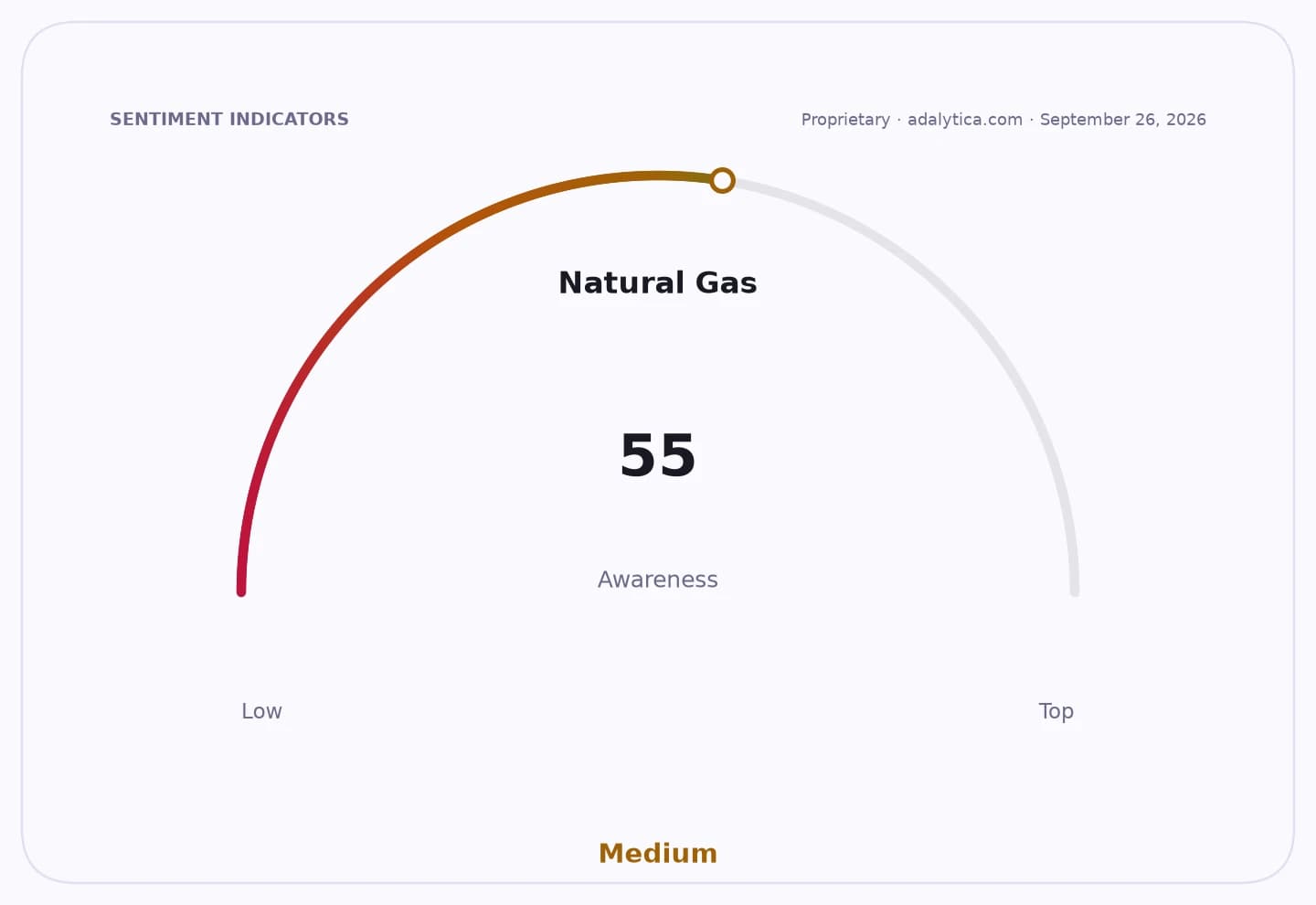
Sentiment IndicatorsⓘProprietary · adalytica.com · July 15, 2026
This is a snapshot — live sentiment, awareness and momentum for 130+ markets update continuously in the dashboard.Open AlphaPulse

The timing matters because global rates remain elevated. The U.S. 10-year Treasury yield is still around 4.6%, while the Fed funds rate is forecast near 3.63%, leaving little room for complacency on borrowing costs anywhere in the system. In that environment, investors are quick to punish countries that appear to be loosening fiscal discipline behind the scenes.
That backdrop has already pushed risk signals in the broader market toward caution. Adalytica’s S&P 500 trade snapshot shows neutral sentiment but fear-laced awareness, while its U.S. dollar gauge sits in extreme fear, underscoring how fast fiscal and policy uncertainty can move capital across asset classes.
Bulgaria’s own funding profile is at stake. Secret spending can swell deficits without immediate parliamentary scrutiny, forcing larger bond issuance later and raising the odds of a sharper adjustment in spending, taxes or both. It also complicates the case for investors trying to judge the country’s readiness for deeper integration with eurozone financial standards.
Bond markets tend to focus on two questions in situations like this: how large the hidden commitments are, and whether authorities can restore credibility quickly enough to avoid lasting damage. If the answer to either is unsatisfying, longer-dated yields usually reflect it first.
For investors, the key near-term risks are higher sovereign borrowing costs, pressure on local banks holding government paper and volatility in the currency and rates market. The next catalyst is whether officials release a fuller accounting of the disputed spending and whether Brussels or rating agencies force the issue.
| Entity | Gains | Losses |
|---|---|---|
| Fiscal hawks / transparency advocates | ▲Budget credibility | ▼Off-book spending |
| Bulgarian government | ▲Short-term flexibility | ▼Market trust |
| Bondholders | ▲Clearer disclosure | ▼Higher risk premium |
| Taxpayers | ▲Accountability | ▼Future financing burden |