Bulgarian fruit and vegetable producers are pressing regulators to make sure farmgate prices cover costs plus at least 10%, arguing that the country’s new food-pricing rules risk squeezing growers rather than curbing retail inflation.
Bulgaria growers seek 10% farmgate price floor

The demand matters because it goes to the heart of who absorbs margin pressure in Bulgaria’s food chain at a time when producers say even a bumper harvest has not translated into viable sales. The branch chamber says many growers are being forced to sell below cost, while trade markups, logistics and import competition are being pushed further down the chain onto farmers.
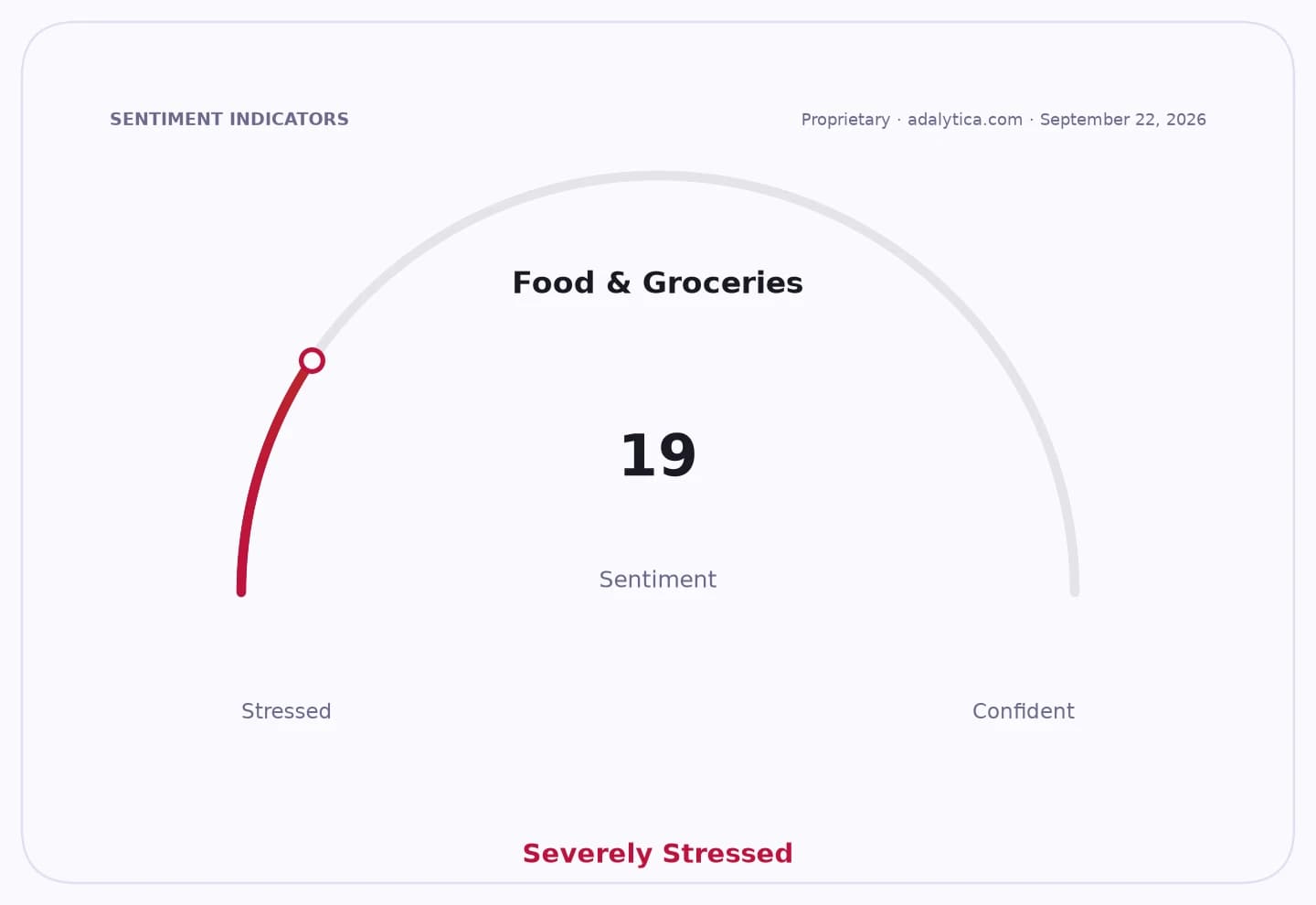
Sentiment IndicatorsⓘProprietary · adalytica.com · September 8, 2026
This is a snapshot — live sentiment, awareness and momentum for 130+ markets update continuously in the dashboard.Open AlphaPulse
The dispute comes as Sofia is drafting a methodology for “fair value” pricing under recent amendments to consumer-protection law. The government’s plan, published for consultation on Aug. 7, would set prices for key staples using wholesale data, operating costs, allowable losses, a target operating margin and comparisons with EU price levels.
But the Bulgarian chamber says the draft is too narrow and too downstream. It wants price formation to start from production costs rather than wholesale quotations, and says the state should not confine the rules to just tomatoes, cucumbers, potatoes and apples. In its view, a fair-price formula based on wholesale input data could still leave primary producers exposed if middlemen, storage, transport and retail margins are not properly addressed.
The underlying economics are straightforward. Fruit and vegetables are highly seasonal, perishable and logistics-intensive, with short selling windows and significant losses from storage and transport. That makes the sector especially vulnerable to volatility in fuel, refrigeration, wholesaling and imports. The chamber argues those structural costs mean simple retail price controls will not fix the problem and could even intensify pressure on domestic supply if farmgate returns remain too low.
For investors and food retailers, the fight is less about one pricing formula than about policy risk in a supply chain already under strain. If regulators side with producers, processors and retailers could face tighter margin discipline, more scrutiny of sourcing practices and potentially higher shelf prices. If the government sticks to a wholesale-based model, growers may continue to complain that official intervention legitimises prices that do not cover production costs, raising the risk of lower domestic output over time.
That tension also has broader implications for Bulgaria’s food inflation outlook. A system designed to protect consumers from unjustified price increases may prove politically attractive, but if it does not preserve farm profitability, it can end up weakening local supply and increasing reliance on imports. That would leave the country with fewer domestic buffers the next time weather, fuel costs or cross-border supply disruptions hit.
For now, the key issue is not whether Bulgarian produce should be cheaper or dearer, but where value is captured in the chain. The chamber is trying to reset that balance in favour of growers, and the government’s response will determine whether the new rules become a tool for transparency or another source of distortion in a fragile agricultural market.
| Entity | Gains | Losses |
|---|---|---|
| Bulgarian growers | ▲Higher farmgate margins | ▼Price pressure below cost |
| Consumers | ▲More transparent pricing | ▼Potentially higher shelf prices |
| Retailers and intermediaries | ▲Current margin flexibility | ▼Tighter pricing scrutiny |
| Bulgarian government | ▲Anti-inflation credibility if rules work | ▼Political risk if farmers keep losing money |