Bulgaria households spend 30% of budgets on food
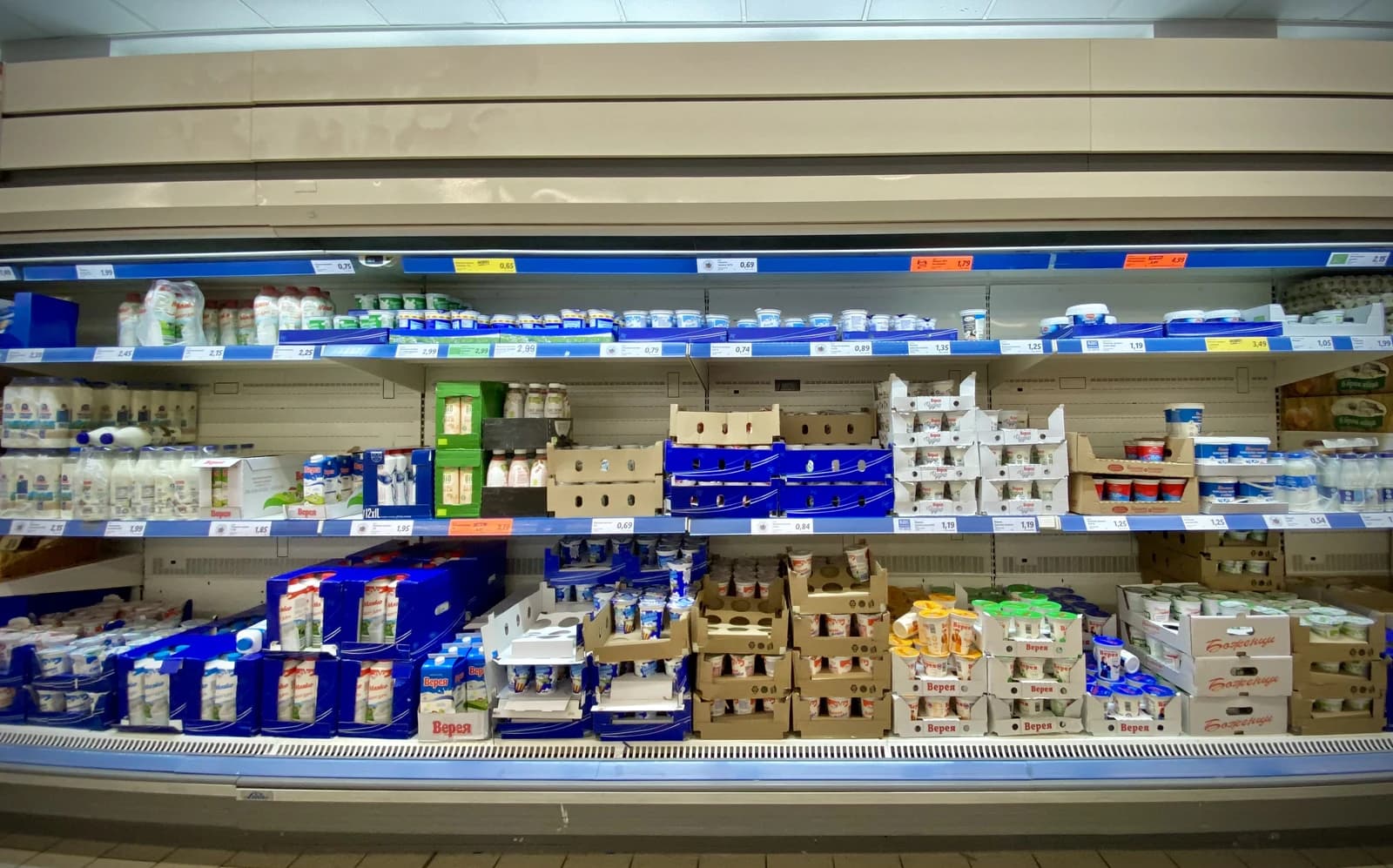
Bulgaria’s households are still spending the largest share of their budgets on food, and that tells a bigger economic story: even as incomes rise, basic living costs remain the main drag on consumer spending power.
Almost 30% of what Bulgarians spent per person in the fourth quarter of 2025 went to food and non-alcoholic drinks, according to the national statistics office. Housing accounted for another 15%, while transport and communications took 11.3%. Taken together, those three categories made up about 56% of household spending, underscoring how much of the budget is locked into necessities that cannot easily be postponed.
That matters because consumer demand is the engine behind a lot of economic growth, and Bulgaria’s consumers are not yet in a position to spend freely. Food spending alone climbed to 948 levs per person in the quarter, up 6.8% from a year earlier. Transport costs also rose 4.1% year on year. Even with the country’s overall price level still the lowest in the European Union at 63% of the bloc average in 2025, lower prices have not translated into easy affordability, because incomes remain lower too.
The encouraging part is that household finances are improving at the margin. Average income per person rose 9.4% year on year to 3,687 levs in the fourth quarter, faster than the 5.6% increase in spending. That means families have a little more room to breathe. But the structure of spending still leaves them exposed: when nearly a third of the budget goes to food, any fresh increase in staple prices hits consumption almost immediately.
For investors, that is the real takeaway. Companies selling essentials should continue to find demand, but Bulgarian consumers will remain price-sensitive and selective. Retailers, grocers and value-focused brands are better positioned than discretionary sellers, while the broader economy will need wages to keep outpacing inflation before spending can broaden meaningfully.
This is the kind of consumer backdrop that rewards patience. Bulgaria’s households are not falling apart — they are slowly gaining capacity — but until necessities take a smaller share of the paycheck, the market will keep favoring businesses built around value, staples and disciplined pricing. For long-term investors, that makes the consumer landscape worth watching, not chasing.
| Entity | Gains | Losses |
|---|---|---|
| Food retailers | ▲Steady demand for staples | ▼Margin pressure from price sensitivity |
| Value brands | ▲More budget-conscious shoppers | ▼Premium discretionary brands |
| Bulgarian households | ▲Faster income growth | ▼Higher grocery and utility bills |
| Discretionary sellers | ▲— | ▼Smaller share of household spending |