Bulgaria Targets 800,000 Polish Tourists by 2029
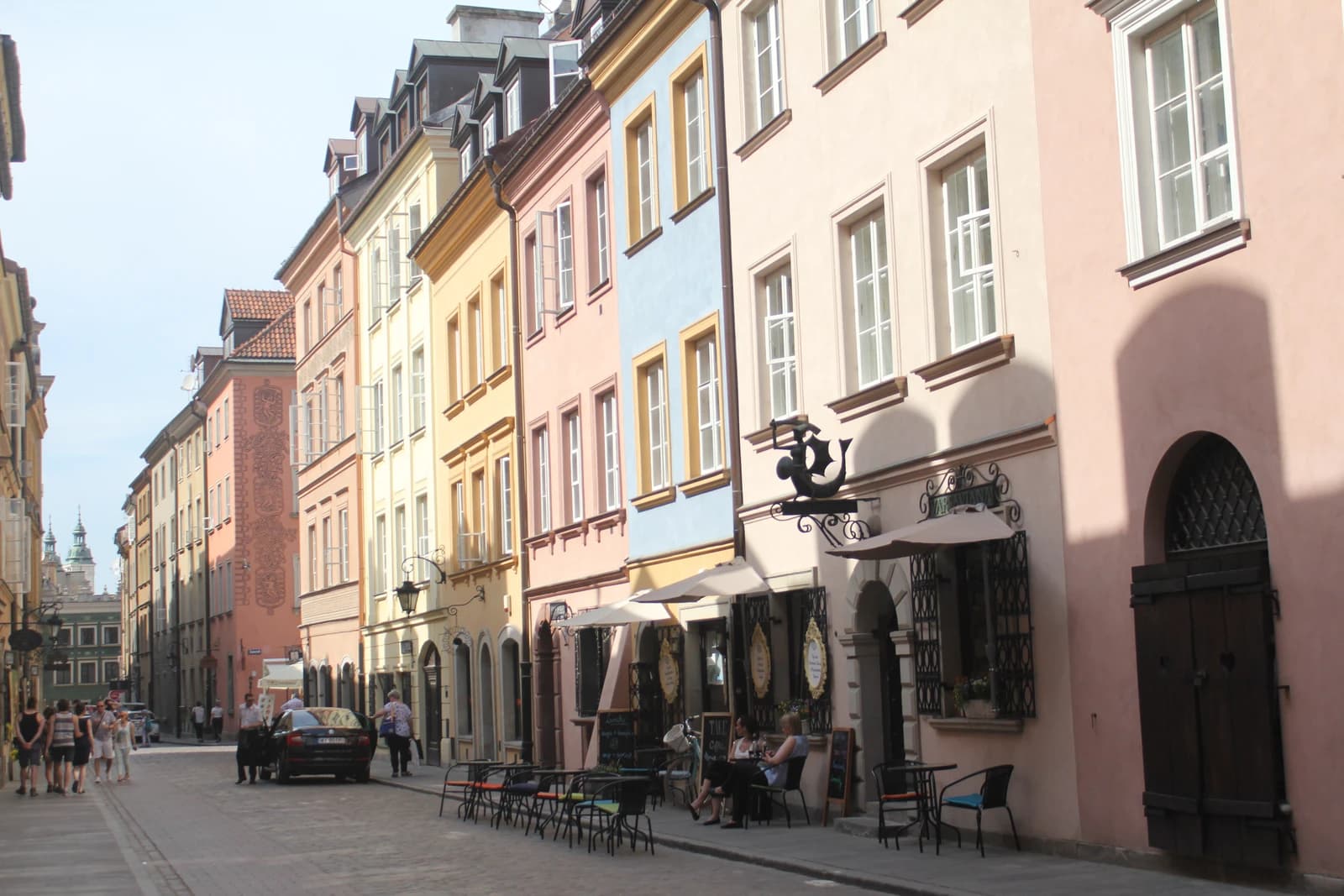
Poland is emerging as one of Bulgaria’s most important tourism markets, and Sofia is trying to turn that demand into longer stays, more year-round traffic and firmer revenue streams for hotels and tour operators.
The Bulgarian tourism ministry says Polish-arranged travel to Bulgaria is already growing, with organized trips up 6.9% and dynamically packaged bookings up 7.5%, placing Bulgaria fifth in the market. Officials now want to lift Polish arrivals to 800,000 a year by 2029, a target that would strengthen one of the country’s key foreign demand channels and reduce its reliance on the summer beach season.
That matters because Bulgarian tourism has long been vulnerable to concentration risk: too much business is tied to the Black Sea summer, while margins, employment and regional spending can be volatile outside peak months. A deeper Polish market would help spread demand across the calendar, supporting hotels, airlines, restaurants and local suppliers well beyond July and August. The ministry is explicitly pitching cultural, spa, wine, gastronomic, urban, nature and event travel as part of that shift.
The signal is not just diplomatic. Poland is bringing its tourism business forum to Bulgaria for the first time, with the event set for Sept. 15 in Sunny Beach and backed by the tourism ministry, incoming agencies, Melia Sunny Beach and Fraport. The forum is aimed at shaping products for the 2027 season, which suggests operators are already locking in capacity, pricing and distribution relationships well ahead of time.
For investors, that creates a clearer revenue case for Bulgaria-linked tourism assets and service providers. More diversified source markets usually improve occupancy stability, raise shoulder-season usage and support pricing power, especially if the destination can move beyond low-yield package holidays. The inclusion of Polish tour operators, hotels and agencies in direct meetings points to a more structured commercial pipeline rather than a one-off promotion campaign.
The opportunity also extends to airport and transport economics. If Polish demand keeps rising, the beneficiaries are likely to be carriers, airport operators and resort-linked businesses that can capture higher load factors and better route economics over a longer season. Fraport’s involvement underscores the infrastructure angle: tourism growth is not just about rooms sold, but about traffic through gateways and the ancillary spend that follows.
The risk is execution. Bulgaria will have to convert interest into product breadth, service quality and stronger off-season appeal to avoid another wave of short-lived summer traffic. But if the partnership with Poland deepens as planned, it could become one of the clearest routes to making Bulgarian tourism less seasonal and more investable.
| Entity | Gains | Losses |
|---|---|---|
| Bulgaria tourism sector | ▲More year-round demand | ▼Dependence on summer season |
| Polish tour operators | ▲New destination products | ▼Limited leverage if supply lags |
| Hotels and airports in Bulgaria | ▲Higher occupancy and traffic | ▼Pressure if demand stays seasonal |
| Competing Black Sea destinations | ▲— | ▼Share of Polish travelers |