Bulgaria wages keep food inflation sticky
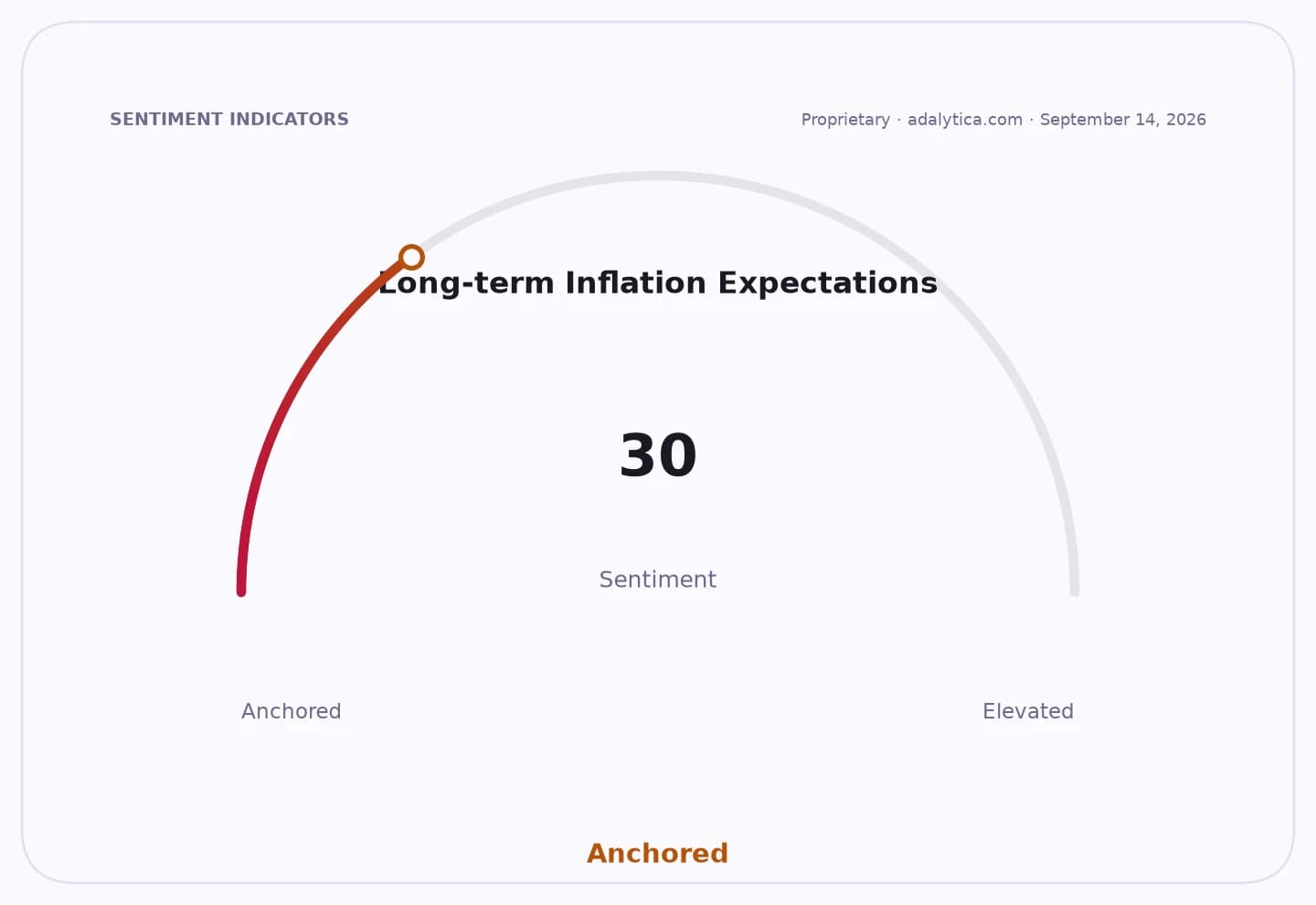
Higher wages are helping keep inflation elevated, and that leaves households, policymakers and investors facing a slower path back to price stability even as labor market conditions remain relatively tight.
Former deputy finance minister Lyubomir Datsov’s warning that rapid wage growth is fueling inflation lands at a moment when the broader inflation picture still looks sticky rather than defeated. US-style data in the context show headline consumer prices rising 0.4% in August from a year earlier in the latest available series, while core prices climbed 0.3%, underscoring how underlying inflation can remain firm even when the labor market is not in crisis. Unemployment was running at 4.1% in August, a level that suggests wage pressure is not being forced lower by a deterioration in jobs.
For Bulgaria, the point is not simply that pay is rising. It is that pay is rising faster than productivity in parts of the economy, giving households more nominal spending power without necessarily expanding supply. That is the classic recipe for services inflation to persist and for food prices, which are especially sensitive to wages, logistics and imported inputs, to remain sticky. Datsov’s view that next year “will not be much better” on food fits a wider pattern seen across consumer staples: companies with pricing power can pass on cost pressures, but retailers and households absorb the squeeze.
The market implications are clearest in defensive and commodity-linked assets. US agribusiness and food exposure, as reflected by the WEAT wheat fund and the DBA broad agriculture ETF, have both moved higher in recent months, with WEAT trading around 26.25 and DBA near 28.93 in the latest readings. Those moves suggest investors are still willing to pay for food inflation hedges when wage growth, weather risks and supply-chain frictions keep the price outlook uncertain. By contrast, consumer staples shares have not offered a clean refuge: the XLP ETF has softened to about 83.38 after a summer peak, implying that investors are increasingly cautious on margin pressure if input costs rise faster than households’ ability to absorb them.
The policy tension is straightforward. Governments want to protect real incomes, but higher administered wages can add fuel to inflation and force the central bank to keep policy tighter for longer. That matters for borrowers, exporters and domestic retailers alike. If wages keep outpacing productivity, the central bank’s inflation target becomes harder to reach and the odds rise of a longer period of higher rates, slower credit growth and compressed consumer demand.
The bull case is that stronger wages support consumption, reduce arrears risk and eventually ease social pressure. The bear case is that without faster productivity gains, the wage push simply becomes a self-reinforcing inflation loop, especially in food and other labor-intensive categories. Investors should watch whether upcoming wage negotiations and food price prints confirm that the economy is drifting toward a stubbornly inflationary regime rather than a clean disinflation path.
| Entity | Gains | Losses |
|---|---|---|
| Workers and unions | ▲Higher nominal pay | ▼Real wages if prices rise faster |
| Food producers and retailers | ▲Ability to pass through costs | ▼Margins if demand weakens |
| Inflation hedges like WEAT and DBA | ▲Stronger price-support bid | ▼Value if inflation cools |
| Consumers and policymakers | ▲Short-term income support | ▼Harder inflation control |