Bulgaria Wheat Harvest Seen at 7 Million Tons
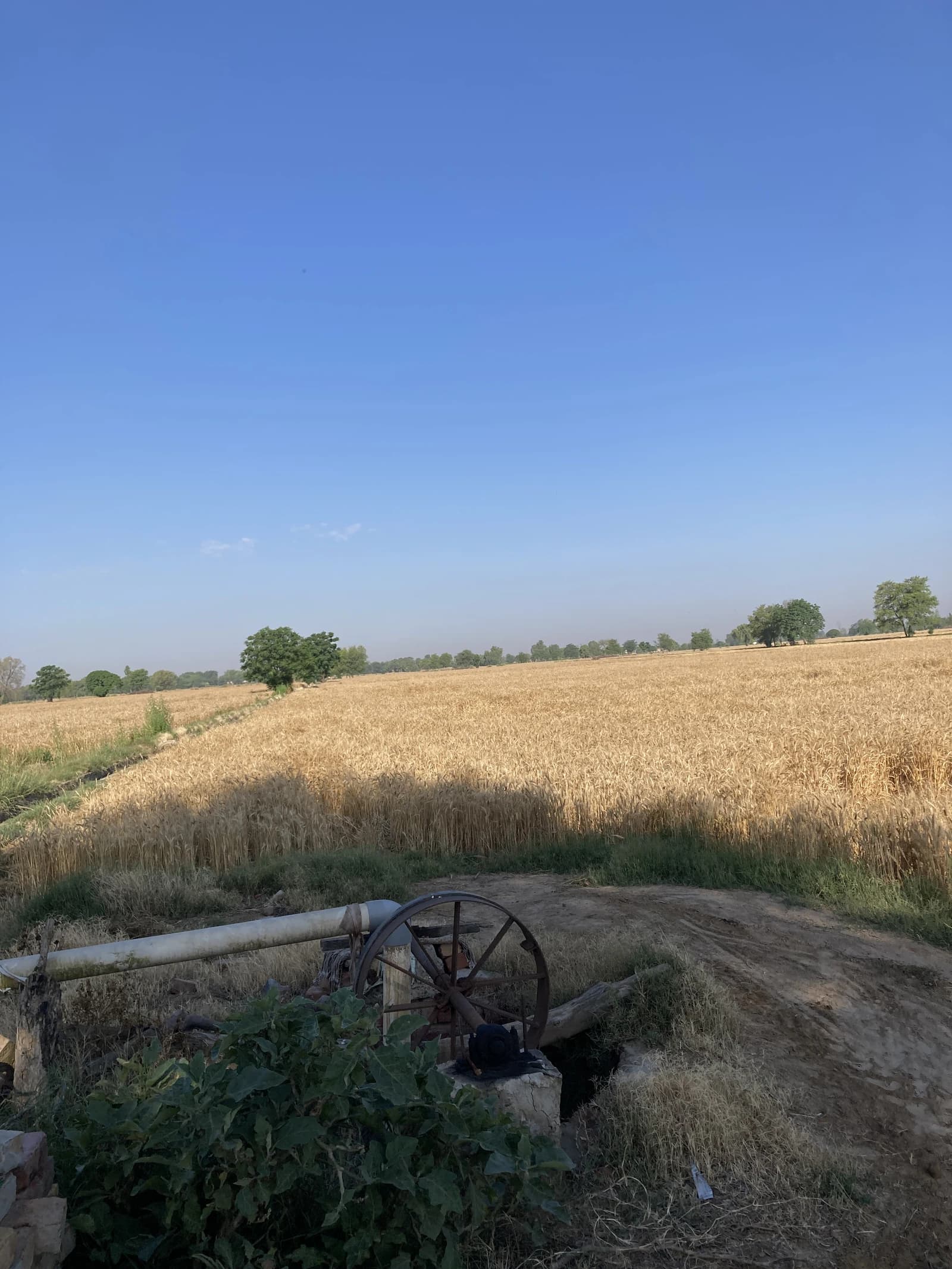
Bulgaria is set to harvest about 7 million tons of wheat this year, a crop size that should cover domestic demand and leave enough for exports even as Black Sea transport costs stay elevated and grain markets remain volatile.
The outlook matters because wheat is one of the country’s key agricultural export earners, and a harvest of that scale helps cushion farmers and traders against weaker prices or logistics bottlenecks. National Association of Grain Producers chairman Ilya Prodanov said the crop is ample for the local market and external sales, while also noting that physical market conditions inside Bulgaria remain less favorable than global wheat prices suggest.
Transport is doing part of the pricing work. Prodanov said the gap between prices at ports and Bulgaria’s most remote inland locations has widened to about 50 euros a ton, reflecting high freight and logistics costs across the Black Sea corridor. That leaves farmers with less of the benefit from firmer international wheat prices, even though conflict between Russia and Ukraine continues to support global benchmarks.
Sunflower output is also shaping up better than in previous years, with production expected at about 2 million tons and possibly more. A stronger oilseed crop adds to the view that Bulgaria’s harvest is broadly solid, even as farmers say most of the grain has yet to be sold and the final financial outcome for the season remains unclear.
For investors, the biggest implication is that abundant Bulgarian supply could add to export availability in the Black Sea region at a time when Europe’s grain market is already being pulled in different directions by drought-hit areas and stronger harvests elsewhere. Prodanov said a grain corridor between the warring countries could eventually push wheat prices 20% to 25% lower, underscoring how closely geopolitics and freight routes remain tied to crop pricing.
The next focus will be export execution, EU farm policy changes, third-country imports and phytosanitary rules, all of which could shape margins and trade flows for Bulgarian growers into the coming months.
| Entity | Gains | Losses |
|---|---|---|
| Bulgarian wheat farmers | ▲Larger crop volume | ▼High logistics costs |
| Grain exporters | ▲More exportable supply | ▼Weaker farmgate pricing |
| Domestic consumers | ▲Adequate local supply | ▼Limited relief from bread prices |
| Global wheat buyers | ▲Added Black Sea supply | ▼Bulls betting on tighter prices |