Bulog Premium Rice Plan Targets Inflation Pressure
Bulog is preparing to launch a premium version of its subsidized SPHP rice program, a move aimed at slowing price increases in Indonesia’s staple food market and easing pressure on households already facing higher living costs.
The plan matters because rice sits near the center of Indonesia’s consumer inflation basket and is a politically sensitive commodity. Even modest swings in rice prices can ripple through broader CPI readings, squeeze real incomes and complicate the government’s effort to keep food inflation contained.
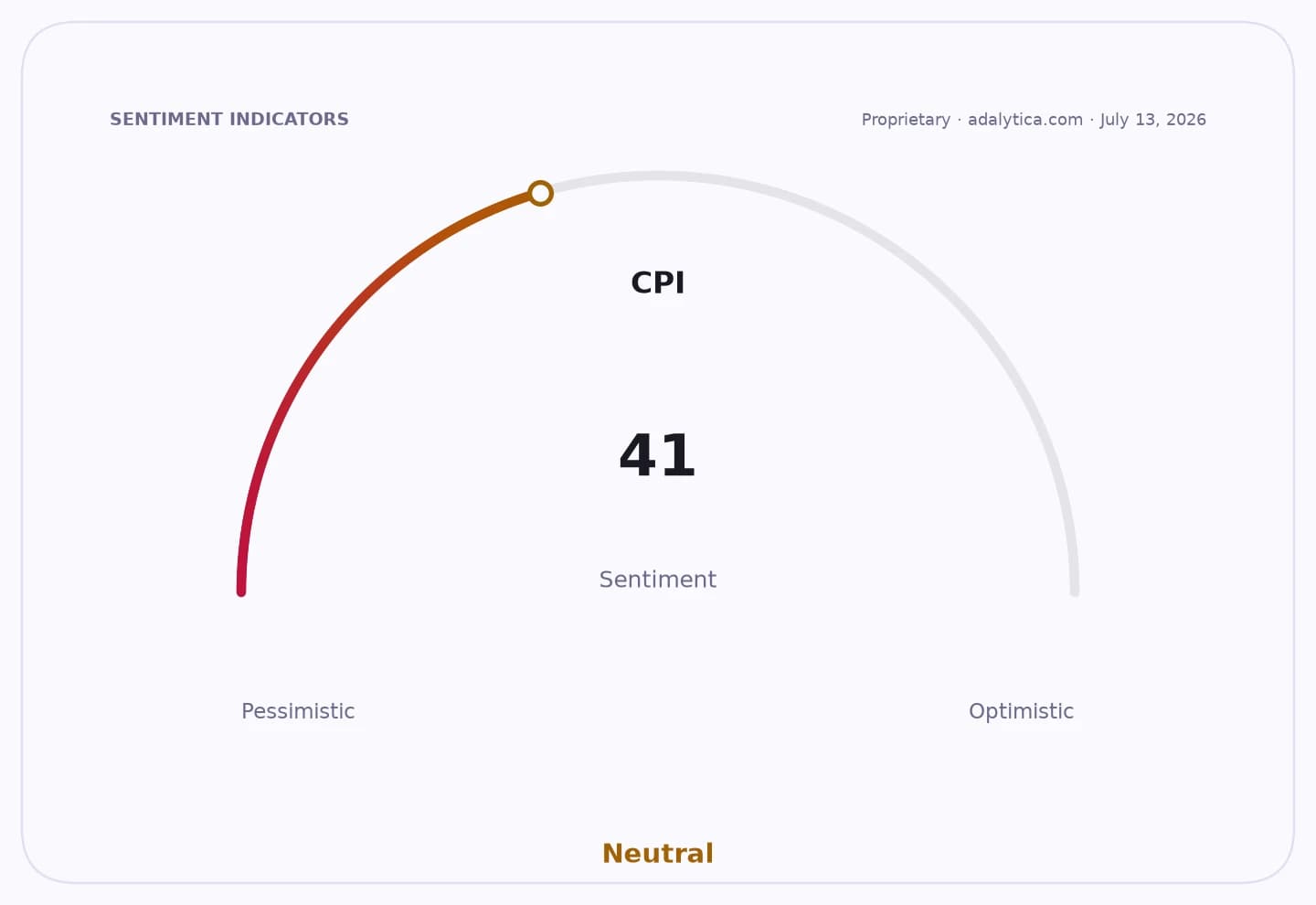
The backdrop is an inflation environment that remains elevated by historical standards. U.S. CPI has climbed to 333.979 in May from 330.293 in March, while the forecast for June points to 336.0641, underscoring how sticky consumer prices can be when food and other essentials remain firm. Producer prices are also running hotter, with the PPI rising to 292.504 in May from 275.979 in March, a sign that upstream cost pressures are not disappearing quickly.
In rice markets, the immediate picture is one of relative stability rather than relief. Domestic and export rice prices have been largely steady, but trading has been slow and farmers in the Mekong Delta continue to face higher production costs and uncertain crop prospects as the harvest season peaks. That kind of balance can leave policymakers with little room to wait for market forces alone to cool prices.
For investors, the signal is that food inflation is still a policy issue, not a solved one. Stable rice prices reduce the risk of a sudden consumer shock, but the need for a premium SPHP rollout suggests authorities still see enough pressure to justify intervention, which can affect margins, inventory turns and pricing power across the grain supply chain.
That broader theme is showing up in agricultural markets. Archer-Daniels-Midland has recently traded between $75 and $80, while Bunge has pulled back sharply from its spring highs to about $114, reflecting the push and pull between commodity demand, policy support and crop-related volatility. Technical readings on both names remain mixed, with ADM sitting above its 50-day and 200-day moving averages and Bunge still below its 50-day level after a recent selloff.
The next catalyst is whether Bulog’s premium SPHP rollout can actually translate into more stable retail rice prices without distorting supply or squeezing traders and millers. Traders will also watch harvest conditions, import policy and any fresh signs of food inflation in the coming data.
| Entity | Gains | Losses |
|---|---|---|
| Bulog | ▲Stronger price control | ▼Higher program costs |
| Consumers | ▲Better rice affordability | ▼Less room for shortages |
| Farmers/traders | ▲More predictable demand | ▼Margin pressure |
| Food inflation hawks | ▲Slower CPI upside | ▼Fewer policy headwinds |