Bund Future Holds Firm as Treasury Yields Ease
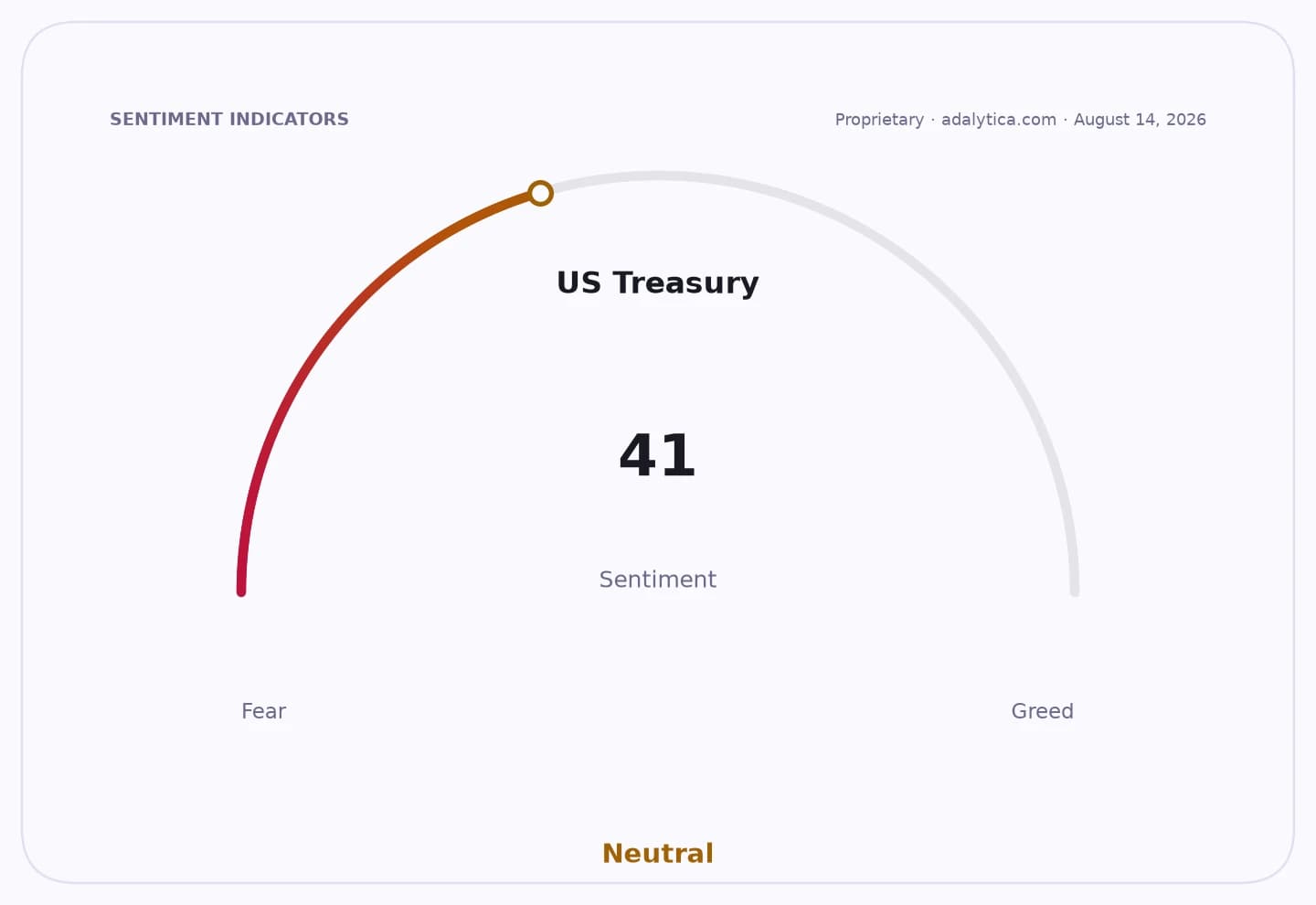
The Eurex Bund future managed to stay firm in early trading as U.S. Treasury yields softened and investors continued to lean toward a steadier path for eurozone rates, keeping German debt at the center of the region’s fixed-income trade.
That matters because Bunds remain the benchmark risk-free asset for the euro area and a key pricing anchor for everything from sovereign borrowing costs to corporate funding spreads. A resilient Bund future typically signals demand for duration, usually when traders are cautious on growth or expect the European Central Bank to keep policy restrictive for longer.
The U.S. backdrop was supportive. The 10-year Treasury yield slipped to 4.68%, the two-year to 4.20%, while the gap between them held at 48 basis points, a shape that still implies only limited recession panic but enough concern about growth and inflation to keep bond buyers engaged. The Bund future’s modest gain to 109.50 after trading around 109.03-109.09 earlier in the week suggested European rates were taking their cue from a still-sensitive global rate environment rather than from any fresh domestic catalyst.
Technically, the Bund contract remained below its 50-day moving average at 111.42 and its 200-day average at 114.28, a reminder that the broader trend is still weak even if near-term selling pressure has eased. RSI readings around 48 and a MACD line that has moved closer to its signal line point to stabilization rather than a decisive reversal.
For investors, the immediate question is whether this is the start of a more durable bid for duration or simply a pause after recent weakness. A stronger Bund would help European sovereigns and rate-sensitive equity sectors by easing financing costs, while a failure to hold these levels would reinforce the case that the market still wants a higher term premium in Europe, especially if U.S. yields resume climbing.
The broader narrative is one of cautious bond buying in a market still trying to reconcile softening global inflation momentum with sticky policy uncertainty. As long as Treasury yields remain contained and eurozone growth looks fragile, Bunds are likely to keep attracting support on dips — but the failure to reclaim longer-term moving averages suggests traders are not yet prepared to call an outright trend change.
| Entity | Gains | Losses |
|---|---|---|
| Bund bulls | ▲Lower yields, safer duration | ▼Missed rebound if resistance holds |
| Eurozone borrowers | ▲Easier funding conditions | ▼Higher refinancing costs if Bunds weaken |
| U.S. Treasury bears | ▲Less upward yield pressure abroad | ▼Demand for bonds if growth fears rise |
| Rate-sensitive equities | ▲Relief from stable discount rates | ▼Pressure if bond yields rise again |