Bundesbank Nagel warns far-right rise may deter investors
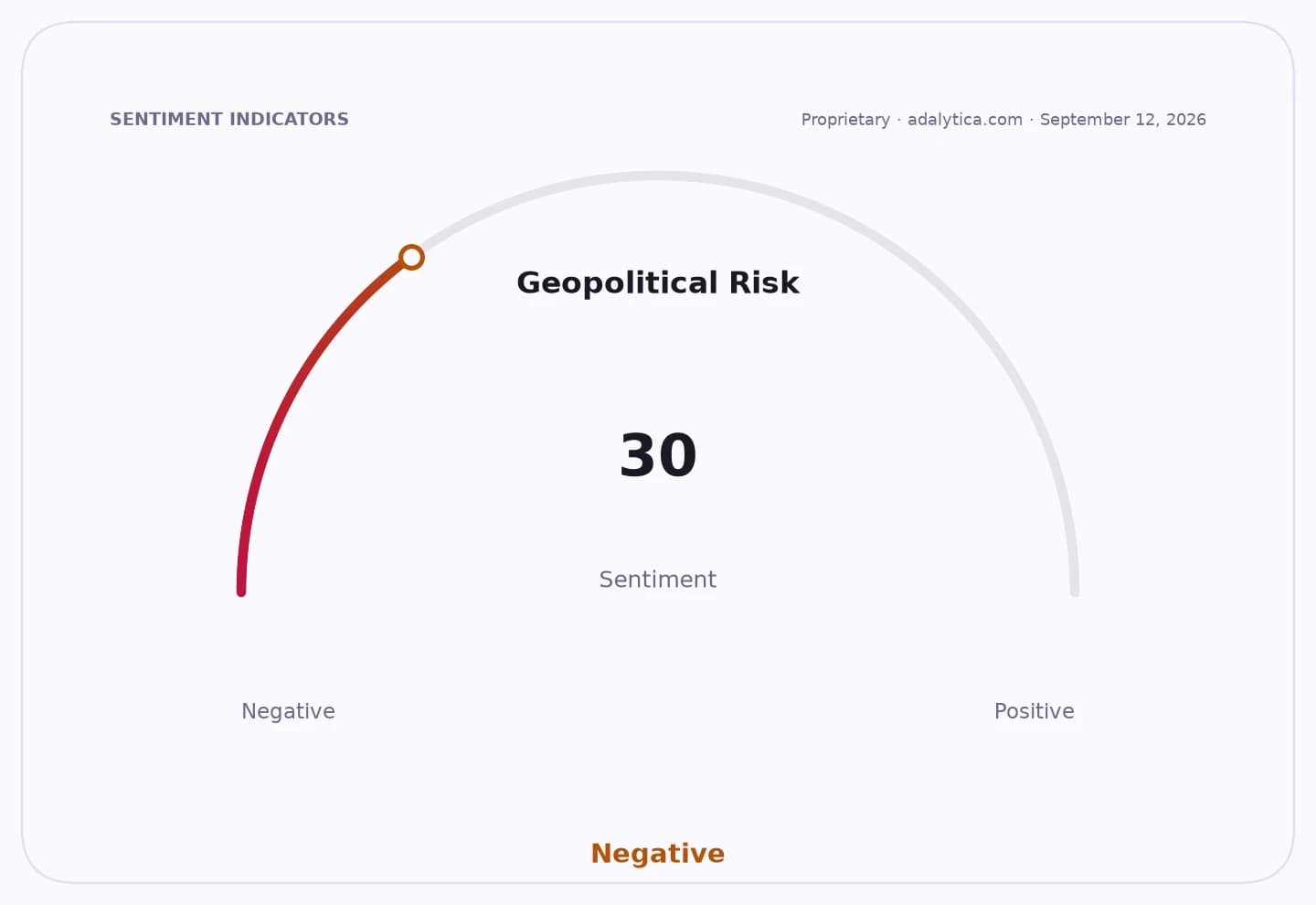
Bundesbank President Joachim Nagel’s warning that the rise of far-right parties could deter foreign investors turns a political development into an economic risk for Germany, Europe’s largest economy and a key destination for global capital.
Nagel said the AfD’s surge in Saxony-Anhalt, where the party came first in state elections on a platform of tighter migration and closer ties with Moscow, raises questions not just about values but about whether Germany remains an attractive place to do business. His point matters because foreign direct investment depends on policy stability, social cohesion and predictable rule-making — all of which can be undermined when extremist parties gain ground.
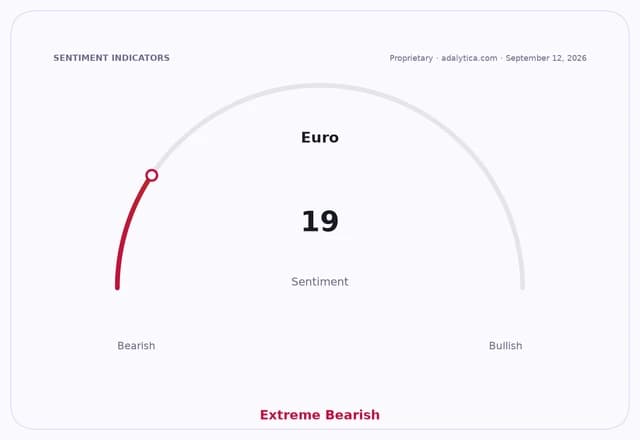
For investors, the issue is less about any single election result than the possibility of a broader shift in Germany’s political center of gravity. A stronger far-right presence can sharpen debate over migration, trade, sanctions and relations with Russia, all of which feed into the operating environment for exporters, manufacturers and multinational companies. That can translate into a higher risk premium for assets tied to Germany and the euro area, particularly if the political tone begins to affect coalition math or long-term policy continuity.
The market backdrop is already one of caution. The iShares MSCI Germany ETF, trading under the EWG ticker, has been volatile but is still near the low-40s, with technical indicators showing it hovering close to its 50-day average and a relatively weak RSI reading, suggesting investors remain wary rather than aggressively positioned for a breakout. The euro, tracked here by FXE, has also lacked conviction, with its recent price action slipping around its 50-day moving average and standard momentum indicators pointing to a still-fragile tone.
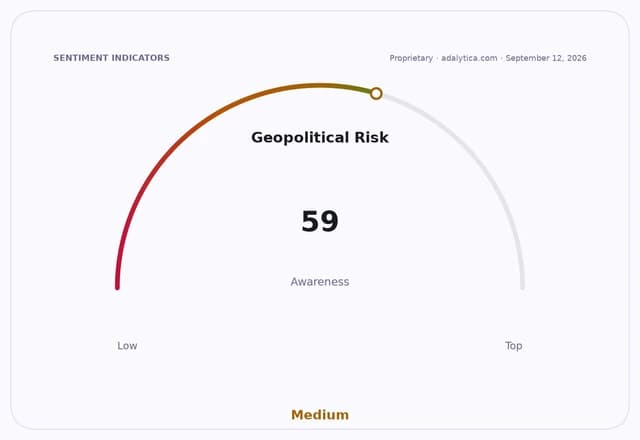
That is where Nagel’s comments carry weight. Central bankers rarely speak in political terms, but the Bundesbank president’s framing makes the economic mechanism explicit: if Germany looks less welcoming or less predictable, capital can go elsewhere. That is especially relevant at a time when Europe is trying to compete for investment in manufacturing, energy transition projects and advanced technology, all of which depend on confidence in the region’s political and regulatory framework.
The bull case is that Germany’s institutions remain strong enough to contain the long-term damage and that investors will distinguish between protest voting and actual policy change. The bear case is that repeated gains by far-right parties gradually normalize an anti-globalization agenda, chilling investment decisions before any formal policy shift occurs.
For now, Nagel’s remarks are a reminder that politics can become an economic variable well before it shows up in GDP or earnings. If the far-right’s rise continues, investors may demand more compensation for German exposure — not because the economy has changed overnight, but because the rules of the game may feel less certain.
| Entity | Gains | Losses |
|---|---|---|
| AfD and far-right parties | ▲Electoral momentum | ▼Mainstream political center |
| Foreign investors | ▲Potentially lower entry prices | ▼Confidence in policy stability |
| German exporters and multinationals | ▲None obvious | ▼Predictability and investment appeal |
| EWG / German equity bulls | ▲Possible oversold rebound | ▼If political risk premium widens |