Bursa raises public transport fares 25%
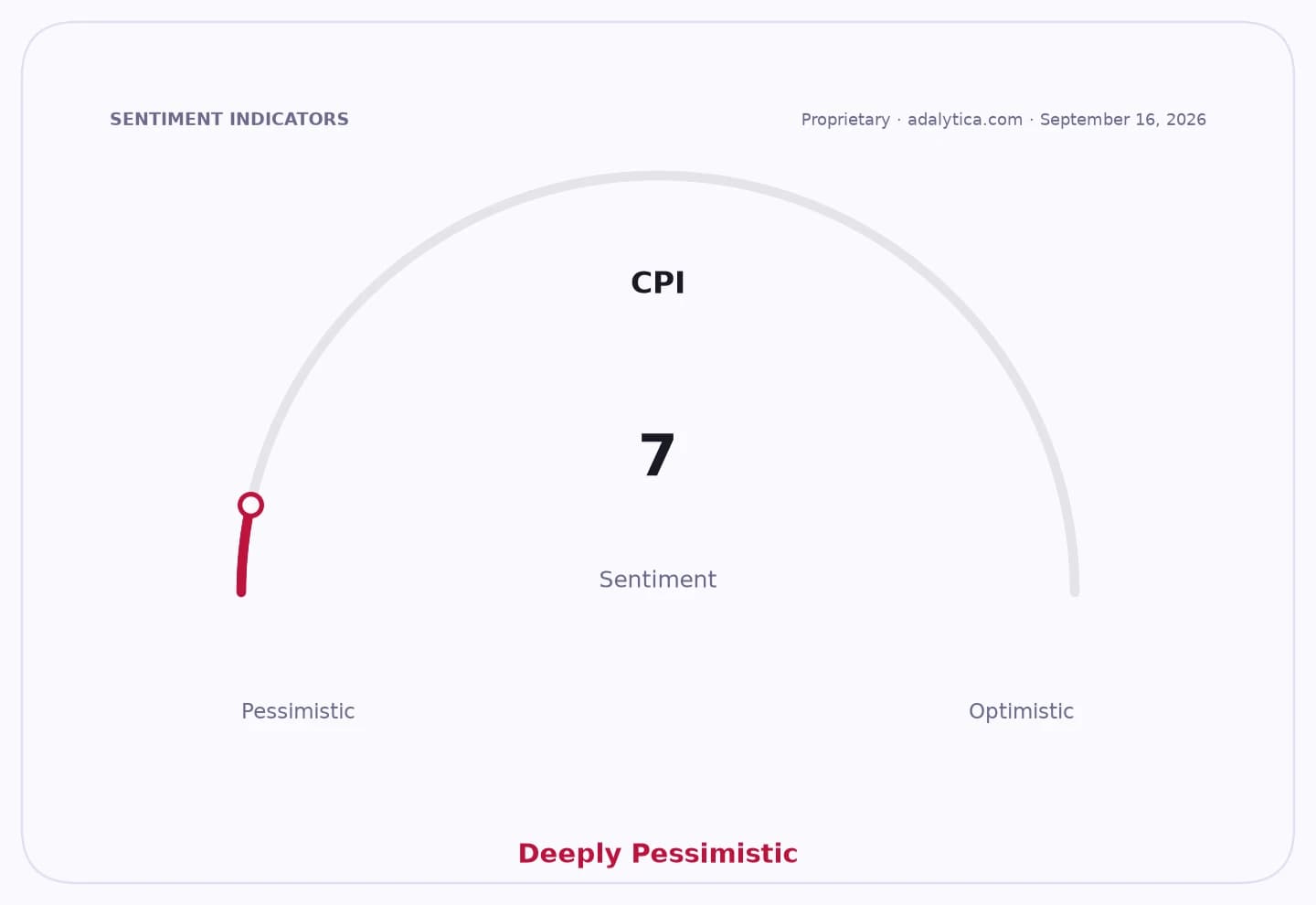
Bursa’s decision to lift public transportation fares by 25% is a direct response to rising operating costs, and it will add pressure to household budgets even as headline inflation in Turkey eases.
The Bursa Metropolitan Municipality approved the increase at its September council meeting, raising the full BursaRay fare to 50 lira from 40 lira and the student fare to 12.50 lira from 10 lira. Tram fares will also rise by 25%, while monthly passes and one-way ticket prices were increased across the system.
The move matters because public transport is a core, non-discretionary expense for commuters and a major line item for municipal budgets. Bursa officials said the city is subsidizing BURULAŞ by 330 million lira a month, or more than 4 billion lira a year, and argued the fare adjustment was needed to keep the system sustainable as fuel costs jumped sharply from 52 lira in January to 96 lira now, according to the municipality.
The increase also highlights how inflation’s easing has not fully filtered through to the cost of essential services. In Turkey, as in other cities facing higher energy and labor costs, transport prices often lag and then catch up in larger steps. For Bursa households, that means lower headline inflation does not necessarily translate into relief on everyday spending, especially for lower-income workers, students and families relying on buses and rail.
Municipal officials said the longer-term answer is to cut costs, not keep raising fares. Bursa is starting to add electric buses and aims to expand the fleet further, saying an all-electric network could cut operating costs by about a third. That gives the city a plausible medium-term path to slower fare growth, but it does not solve the immediate financing gap.
For investors and market watchers, the takeaway is that local governments across Turkey are still being squeezed by energy-linked operating costs and the need to balance fare affordability with fiscal sustainability. The Bursa decision may also be read as another sign that price pressures in essential services remain sticky even when broader inflation trends moderate.
If fuel stays elevated and municipal subsidies remain heavy, more cities may follow Bursa’s lead with fare hikes, keeping transport inflation high and leaving households with little immediate relief.
| Entity | Gains | Losses |
|---|---|---|
| Bursa Metropolitan Municipality | ▲Higher fare revenue | ▼Public backlash |
| BURULAŞ | ▲Better cost recovery | ▼Lower affordability |
| Commuters and students | ▲— | ▼Higher daily travel costs |
| Electric-bus suppliers | ▲Future fleet demand | ▼Delay in subsidy relief |