BYD Targets Mini-Vehicles in China Auto Market
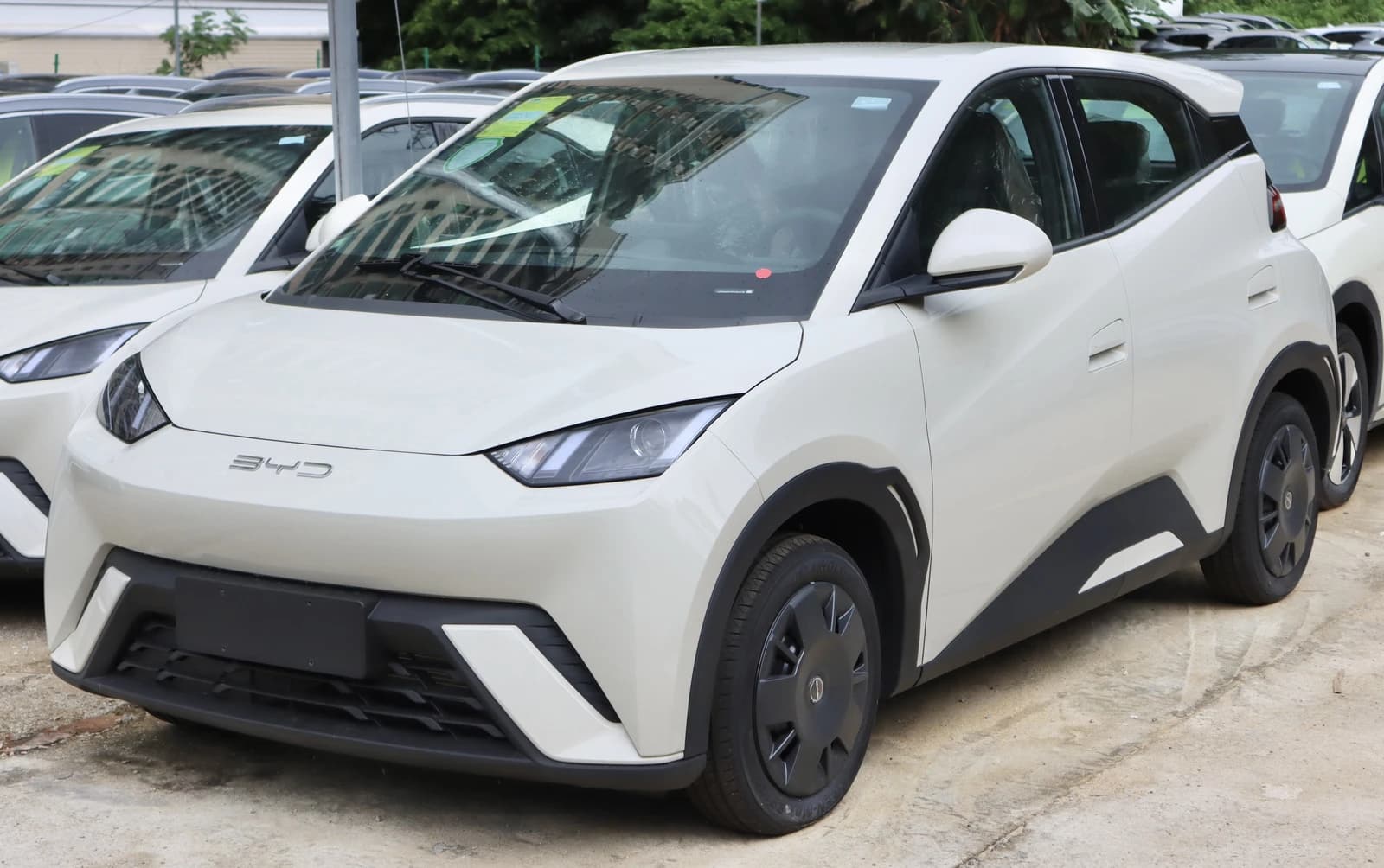
BYD’s move into mini-vehicles is another reminder that China’s auto market is no longer rewarding scale alone — it is rewarding speed, cost discipline and the ability to keep price cuts going without subsidies.
That matters because the smallest cars are often where volume is won, margins are thinnest and brand loyalty gets tested hardest. If BYD can make a serious push in mini-vehicles, it extends the same competitive pressure that has already squeezed larger electric and plug-in models into a corner where only the most efficient players can survive. For Japanese automakers such as Toyota and Honda, that means a market they once treated as a dependable growth engine is becoming a battleground where their old advantages matter less than battery cost, software and local pricing power.
The backdrop is a Chinese auto market that remains the world’s biggest and most unforgiving. Competition has intensified as domestic makers and global brands fight for buyers with cheaper EVs, faster product cycles and more localized features. In that environment, BYD’s willingness to target mini-vehicles underscores how far the EV transition has moved beyond luxury or premium adoption. The real prize is now mass-market affordability, and that is where Chinese makers have been able to outmaneuver foreign rivals.
That should worry investors in traditional automakers with heavy China exposure. Toyota and Honda may still have strong brands and global balance sheets, but China is increasingly the place where those strengths are being challenged by a lower-cost, faster-moving ecosystem. If mini-vehicles become the next volume arena, the pressure could flow through unit sales, pricing and ultimately profitability. The market has already been signaling that risk: BYD’s shares have been volatile, but the strategic message is clear — it is still taking share in the segments that matter most.
For long-term investors, the broader lesson is that China’s EV winner is not just the company with the biggest headline sales number. It is the company that can keep expanding into new categories while staying competitive without relying on government support. BYD is showing that it intends to do exactly that, and that makes it a formidable rival not only for Japanese automakers but for anyone counting on a slower pace of EV disruption in Asia. Worth watching closely, and for investors with multi-year horizons, a name that deserves a place on the watchlist.
| Entity | Gains | Losses |
|---|---|---|
| BYD | ▲Wider volume reach | ▼Lower-margin pricing pressure |
| Toyota | ▲Niche brand strength | ▼China market share risk |
| Honda | ▲Need for faster EV response | ▼Mini-car segment pressure |
| Chinese buyers | ▲Cheaper EV options | ▼Fewer legacy-brand choices |