BYD, NIO and Xpeng Press Europe Auto Market

Chinese-made electric cars are moving from niche imports to direct challengers to Mercedes, Audi, BMW and Volkswagen in Europe, and the shift is becoming impossible for investors to ignore.
That is the core story behind the latest wave of attention around the “best Chinese-made cars”: these brands are no longer being judged only on price, but on design, technology and performance against the German blue chips that have long defined the premium auto market. For the industry, that means a faster erosion of Western pricing power. For investors, it means the next round of auto winners may come from scale manufacturers and component suppliers rather than legacy brands defending share.
BYD remains the clearest evidence of the change. Its shares were recently changing hands around 79.47 after sliding from an August peak above 89, but the bigger point is that the stock is holding above its 200-day moving average and close to the 50-day line, suggesting the market still assigns value to its global expansion story even during a pullback. Conventional technical indicators show the shares are oversold from their recent drop, with RSI readings near 38 and a bearish MACD still in place, but that only underscores how much of the company’s Europe narrative remains underappreciated.
NIO and Xpeng tell a more fragile version of the same story. NIO has been under clear pressure, with the stock around 4.37, below both its 50-day and 200-day moving averages, while Xpeng has fallen to roughly 11.53 from much higher levels earlier in the year. Yet both names still matter because they represent the market’s view of China’s EV export push: volatile, capital-intensive and highly competitive, but capable of taking share where consumers are willing to trade badge prestige for technology and value.
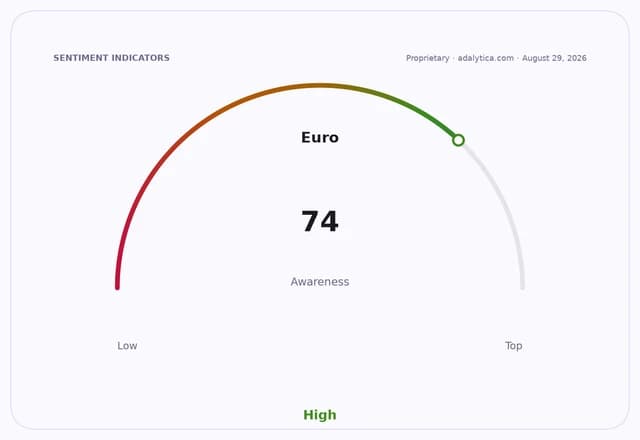
The economic significance is bigger than any single stock chart. Chinese automakers are using battery supply chains, software-heavy cabins and aggressive pricing to pressure European incumbents at a time when the continent’s growth is soft and consumer confidence remains fragile. Adalytica’s China growth-target gauge shows awareness at an “Extreme Greed” reading even as sentiment has cooled to neutral, a sign that investors remain highly focused on China policy and growth spillovers. At the same time, euro trade signals are flashing fear, reinforcing the risk that imported competition arrives just as Europe’s industrial and auto sectors are already under strain.
That is why this matters for portfolios. If Chinese vehicles continue to win European buyers, the beneficiaries are not just BYD, NIO and Xpeng. Battery makers, charging networks, semiconductors, brake and thermal-system suppliers, port logistics and shipping firms all stand to gain from a deeper export cycle. The losers are the old premium incumbents if they are forced to defend market share with discounts, and any supplier base that still relies on historically rich margins from German automakers.
The market is still treating this as an auto story. It is really a re-rating story for global manufacturing power. Chinese brands are no longer asking whether they can compete with Mercedes, BMW, Audi and Volkswagen — they are proving they can, model by model, in the world’s most brand-conscious market. Investors who wait for the consensus to catch up risk missing the early innings of a secular shift in where the auto industry’s profits are made.
| Entity | Gains | Losses |
|---|---|---|
| BYD | ▲Export growth, premium positioning | ▼Tariff and price-war risk |
| NIO | ▲European brand visibility | ▼Margin pressure, weaker scale |
| Xpeng | ▲Tech-led share gains | ▼Volatile funding needs |
| Mercedes/BMW/VW/Audi | ▲Niche defenders if electrification succeeds | ▼Pricing power, market share |