Cadillac XT5 PHEV Launches in China at 259,900 yuan
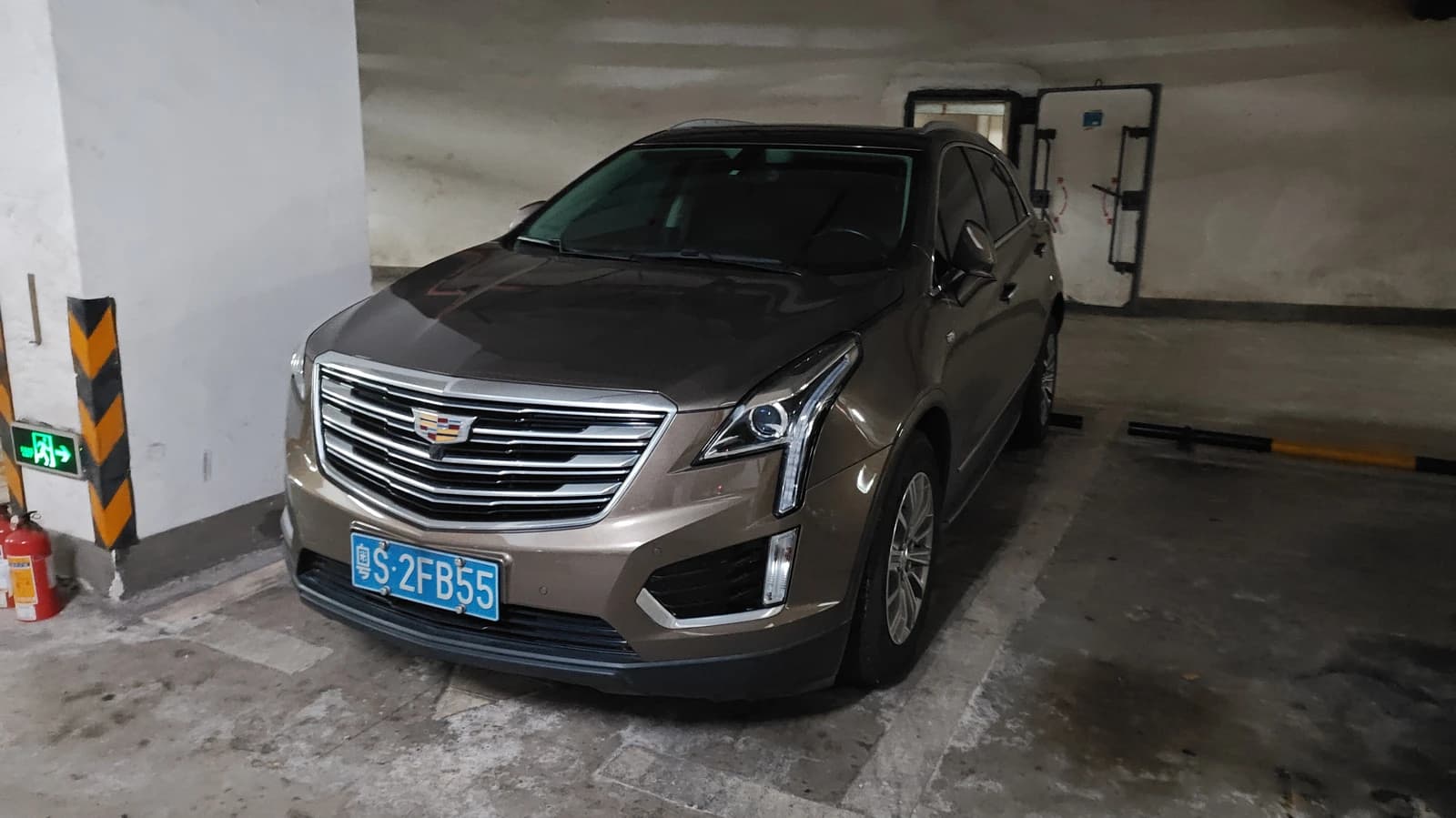
Cadillac has launched the all-new XT5 PHEV in China from 259,900 yuan, using a plug-in hybrid SUV to keep its luxury crossover lineup competitive as Chinese buyers increasingly demand longer electric range, lower running costs and more advanced driver-assistance tech.
The new XT5 PHEV is the first mass-produced luxury hybrid SUV to use Momenta’s R7 world model, a system designed to understand road conditions and vehicle interactions more like a human driver than conventional assistance software. It also comes with lidar hardware on the roof and is offered with high-level assisted driving features available at delivery, a selling point in China’s fast-moving smart-car market.
For General Motors, which owns Cadillac, the launch is part of a broader effort to defend market share in China’s premium segment as domestic rivals keep raising the bar on electrification and intelligent driving. The XT5 PHEV pairs a 1.5-liter turbocharged hybrid system with dual electric motors, a 35.5-kWh battery and a CLTC electric range of 215 kilometers, giving it more all-electric driving than many plug-in rivals in the same class.
That range matters in China, where plug-in hybrids are increasingly being used as a bridge for buyers who want EV-like commuting without the charging anxiety of a pure battery-electric vehicle. The combination of 215 kilometers of electric range and a claimed 6.05 liters per 100 kilometers of combined fuel consumption makes the model more relevant for urban professionals, fleet users and premium SUV buyers weighing total operating costs.
Cadillac has kept the XT5’s familiar exterior and a cabin anchored by a 33-inch 9K curved screen, but the technology package is the real pitch. By tying the vehicle’s electronic architecture to the Momenta system, GM is trying to show it can localize software and driver-assist offerings for China rather than rely on imported global trims that often lag local competitors on features.
Investors are likely to read the launch as another test of GM’s China turnaround strategy: whether the company can protect the Cadillac brand with higher-content vehicles even as pricing pressure across the EV and plug-in hybrid market squeezes margins. GM shares have recently traded above both their 50-day and 200-day moving averages, but the stock has also shown a softening momentum profile, leaving China product execution an important catalyst for sentiment.
The next focus will be early demand, dealer adoption and whether the XT5 PHEV can stand out in one of the world’s most crowded premium SUV segments. If the model gains traction, it could help GM stabilize Cadillac’s position in China; if not, it adds to evidence that even established global brands must spend more on software, battery systems and incentives to stay relevant.
| Entity | Gains | Losses |
|---|---|---|
| Cadillac | ▲China market relevance | ▼Brand momentum if demand is weak |
| GM | ▲Premium EV/PHEV portfolio depth | ▼Margins if pricing gets aggressive |
| Chinese buyers | ▲Longer-range luxury hybrid option | ▼Less value if rivals undercut on price |
| Domestic premium rivals | ▲Higher-tech competitive benchmark | ▼Share if XT5 PHEV attracts buyers |