Recycled plastic demand is surging in Cairo’s “city of waste” as the Middle East war reshapes trade flows, tightening access to imported scrap and pushing buyers toward local recyclers.
War Disruptions Boost Cairo Recycled Plastic Demand
The shift matters because plastic waste is no longer just an environmental problem in Egypt’s capital; it is becoming a supply-chain and pricing story. When conflict disrupts shipping routes, border traffic and regional commerce, the cheapest feedstock for recyclers can become harder to source, forcing manufacturers and traders to pay up for domestic material and keeping margins in the recycling chain volatile.
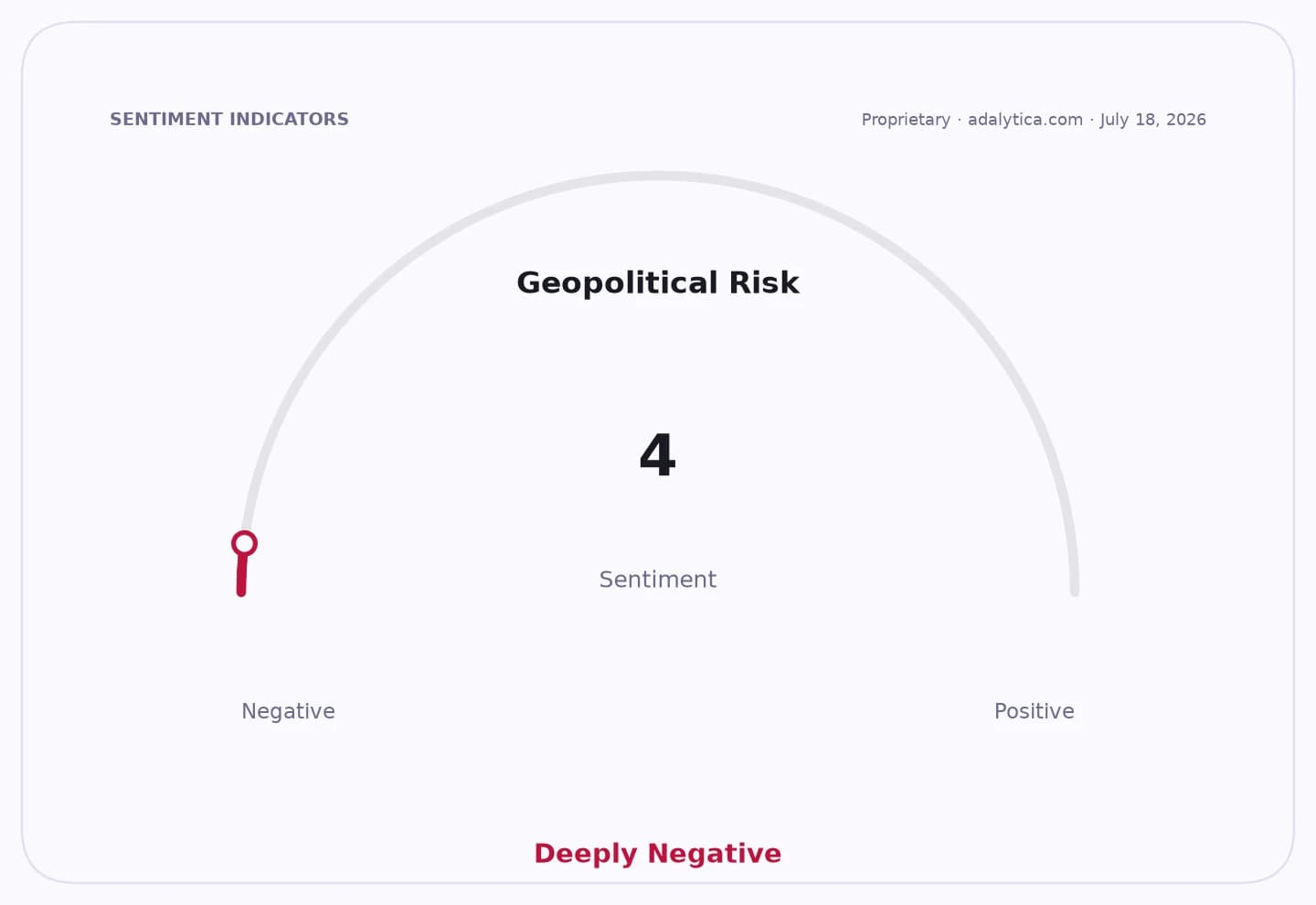
Sentiment IndicatorsⓘProprietary · adalytica.com · July 18, 2026
This is a snapshot — live sentiment, awareness and momentum for 130+ markets update continuously in the dashboard.Open AlphaPulse
That is feeding a more urgent market for recovered plastic in Cairo, where waste pickers, aggregators and small processors are seeing stronger demand from businesses that need resin substitutes. The pressure comes as global concern over plastic pollution remains elevated and as studies flag mounting waste risks in the Nile basin, underscoring how a geopolitical shock can quickly spill into local waste economies.
For investors, the read-through is broader than Egypt. Tighter recycled-content markets can benefit waste-management and recycling operators with scale, collection networks and processing capacity, while import-dependent packaging and manufacturing firms face higher input costs if virgin resin alternatives become less available or more expensive. In the U.S., Waste Management Inc. has already been telling investors its recycling business is influenced by volumes, costs and broader geopolitical conflict, highlighting how exposed the sector is to supply shocks.
WM shares have also been volatile on the tape. The stock closed at $239.31 on July 17, well above its 50-day moving average of $221.69 and 200-day average of $220.86, with RSI at 64.8 and price action near the upper Bollinger Band, suggesting momentum remains firm after a strong run.
The bigger picture is that wartime disruption is accelerating the economics of circular materials. If conflict continues to reroute trade and constrain scrap imports, local recyclers in Egypt and beyond could keep gaining pricing power — but the same squeeze could also lift costs for downstream users and make the recycling market more uneven in the months ahead.
| Entity | Gains | Losses |
|---|---|---|
| Cairo recyclers | ▲Higher demand for scrap | ▼Feedstock shortages |
| Waste pickers and aggregators | ▲Better local prices | ▼More volatile volumes |
| Packaging makers | ▲Access to recycled input | ▼Higher material costs |
| Import-dependent buyers | ▲— | ▼Tightened scrap supply |




