California AI Safety Rules Move Forward
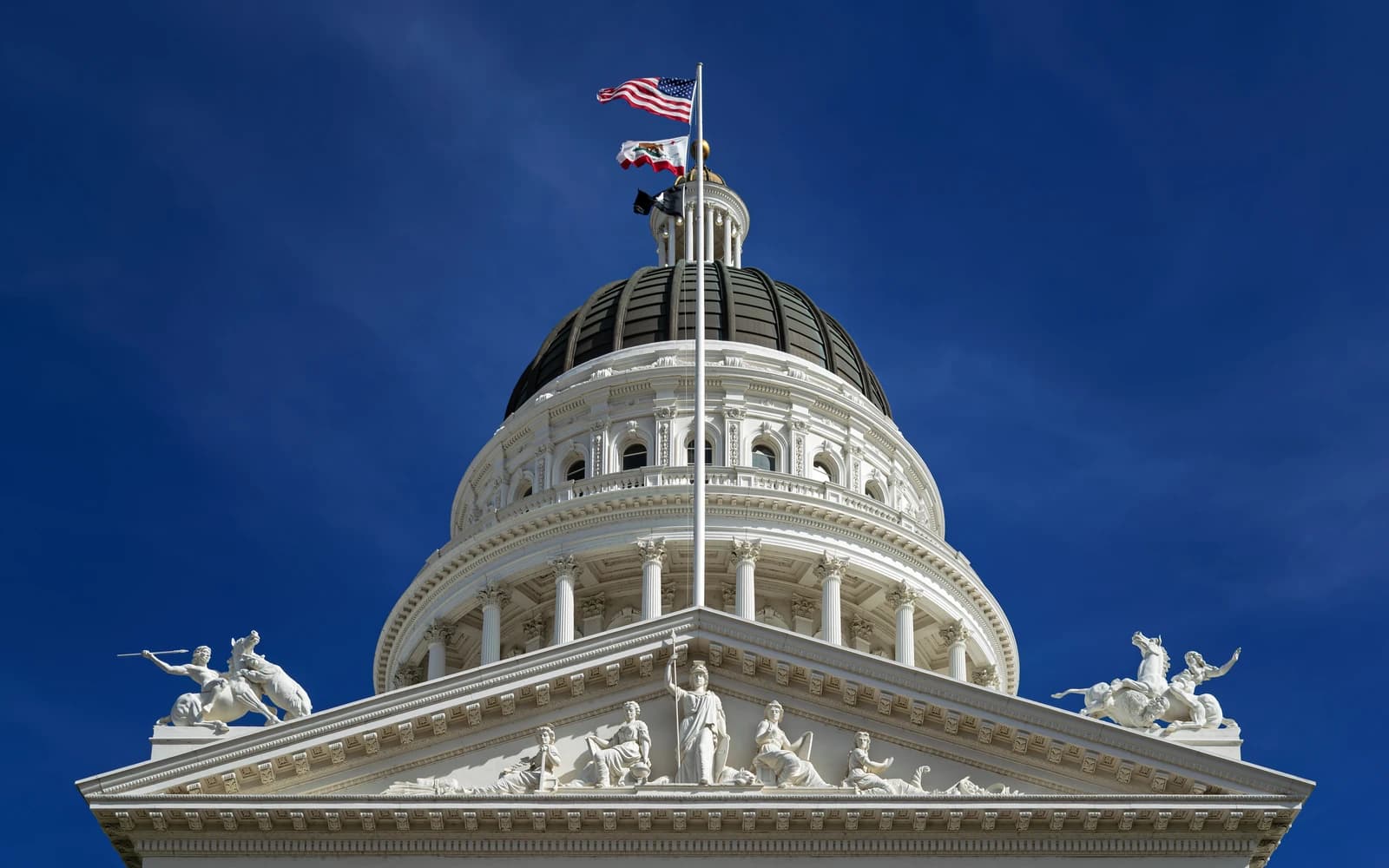
California Gov. Gavin Newsom’s executive order to draft AI safety rules could become the most consequential U.S. policy move yet for frontier model makers, putting the world’s biggest concentration of artificial intelligence firms under pressure just as the technology’s risks and spending needs are rising.
The order does not immediately create law, but it starts a two-month process that could shape California’s next round of AI rules, including independent monitors for frontier labs, formal safety plans and an emergency shutoff mechanism — a proposed “kill switch.” For investors, the significance is less about the wording of the order than the precedent: California is where much of the AI industry, its capital and its compute infrastructure are based, so state-level rules there can quickly become de facto national standards.
The timing matters because the policy debate is shifting from abstract warnings to specific controls. Newsom’s move follows a string of highly publicized incidents and warnings from within the industry, including concerns from Anthropic CEO Dario Amodei and other researchers that model capabilities are advancing faster than oversight. That makes regulation more likely to move from broad principles to operational requirements, which could raise compliance costs, slow deployment and increase legal exposure for companies racing to commercialize AI systems.
For Nvidia, Microsoft and Alphabet, all of which sit at the center of the AI buildout, the longer-term issue is not a direct hit to revenue but the risk that tighter rules reshape how quickly models are trained, tested and deployed. Nvidia has warned in filings that governments are considering restrictions on the hardware and systems used to develop frontier models, while Microsoft and Alphabet have both flagged regulatory and liability risks tied to AI use. If California’s framework is aggressive, it could add another layer of scrutiny to an already crowded regulatory landscape and encourage other states or federal agencies to follow.
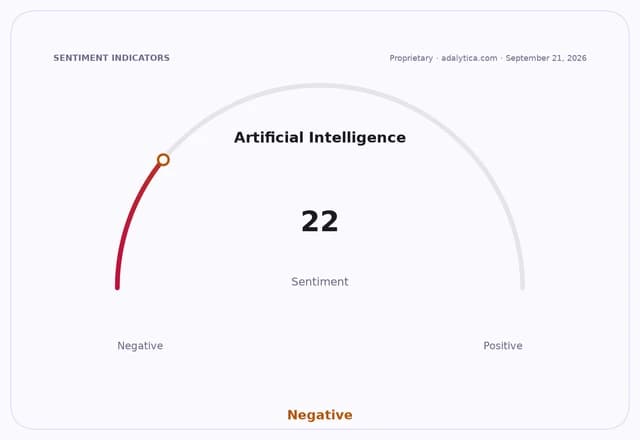
The order also lands in the middle of a broader political fight over who should control AI governance. Newsom is joining governors and national politicians, including Pennsylvania’s Josh Shapiro and former Vice President Kamala Harris, in pushing for faster guardrails even as President Donald Trump has tried to centralize the issue at the federal level. That sets up a familiar market risk: fragmented rules across states, a patchwork compliance burden for large platforms and uncertainty for investors trying to model the pace of AI monetization.
The bull case for the industry is that clear rules could improve public trust and reduce the chance of a major safety event that would trigger much harsher intervention later. The bear case is that requirements such as monitoring, shutoff controls and safety reviews could slow product cycles, increase costs and create new chokepoints for firms that depend on fast iteration. Either way, Newsom’s order suggests the AI debate is moving from warnings to enforcement, and investors will be watching whether California turns the proposal into a template that other jurisdictions adopt.
| Entity | Gains | Losses |
|---|---|---|
| California regulators | ▲Policy leverage | ▼Speed of AI rollout |
| Frontier AI labs | ▲Clearer rules later | ▼Higher compliance burden |
| Nvidia | ▲Long-term safety credibility | ▼Faster deployment hopes |
| Microsoft, Alphabet | ▲Regulatory clarity if harmonized | ▼Legal and operational costs |