California Housing Prices Rise as Supply Stays Tight
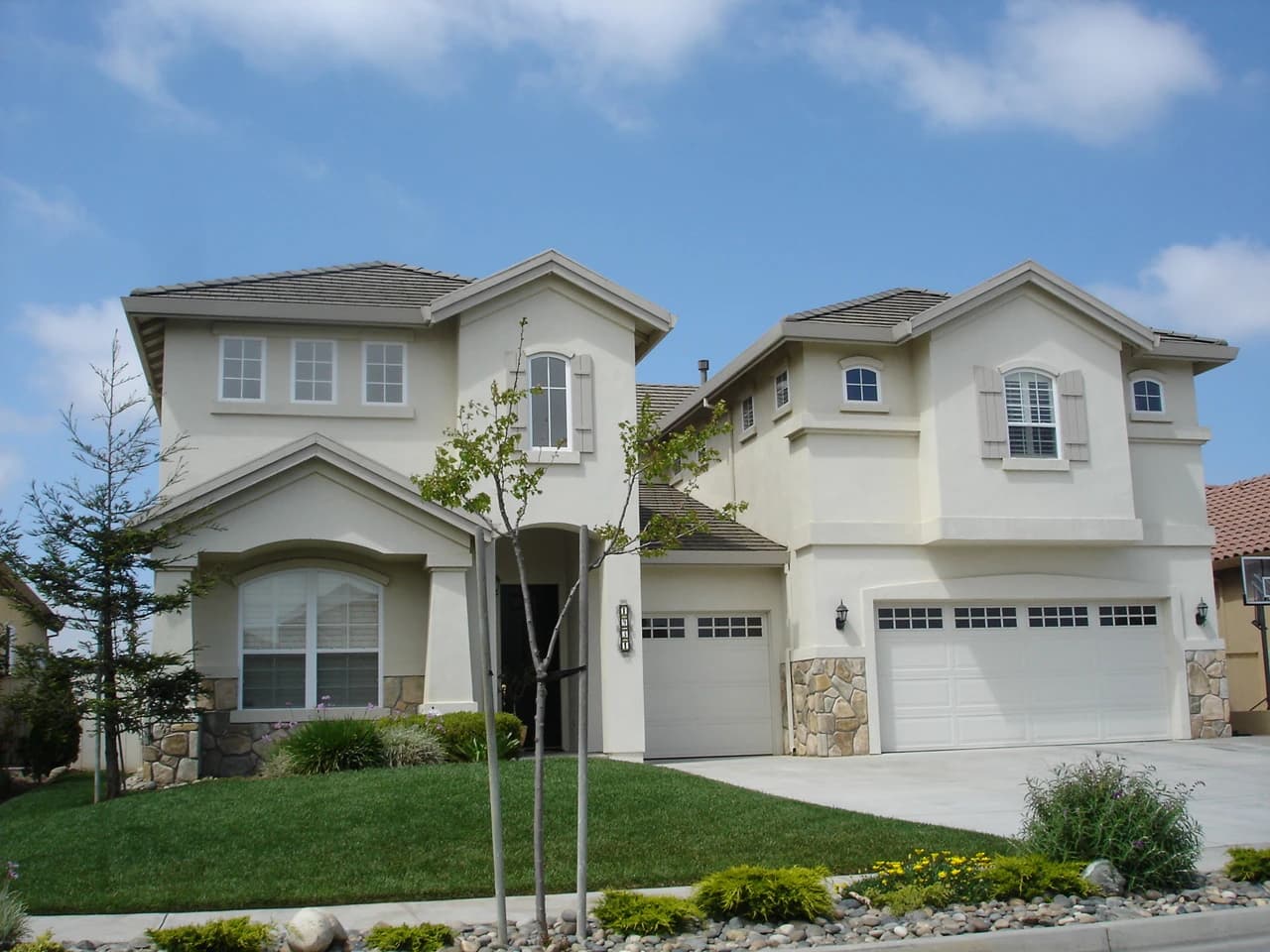
California’s housing market is firming even as borrowing costs remain punishing, with home prices rising again and fresh supply still too scarce to meaningfully cool demand.
That combination matters because California remains the country’s most expensive large housing market and a bellwether for affordability pressures that ripple through rents, construction, consumer spending and household migration. The Case-Shiller California index rose to 336.663 in June from 335.43 in May, and the July forecast points to another gain to 339.5248, extending a recovery that has outpaced much of the broader economy despite the highest mortgage-financing hurdles in years.
At the same time, new-home supply has not kept up. Housing starts in California were forecast at 1,275 in August, after 1,309 in July and 1,439 in June, underscoring how little construction has done to relieve the shortage. The result is a market where buyers are still competing over a limited number of listings, while affordability remains stretched enough that the lower end of the market is drawing outsized attention.
That is where the “as low as $270K” angle comes in. In a state where the median home price is far above what many first-time buyers can finance comfortably, pockets of relative affordability remain the main entry point for households that can still qualify. For investors, that matters because demand is likely to stay concentrated in lower-priced inland and exurban markets, while coastal California remains structurally constrained by price and regulation.
The backdrop is not friendly. The 10-year Treasury yield is still around 5%, a level that keeps mortgage rates elevated and restrains move-up demand. Yet California prices are still rising, which suggests the market is being driven less by exuberance than by scarcity. In that sense, higher rates are not producing the normal affordability correction because there is not enough supply to force one.
Housing ETFs are reflecting that tension. ITB, which tracks homebuilders, has dropped to 90.37 from recent highs near 100, while XHB has slipped to 98.96 from above 110. Both have pulled back from earlier strength, consistent with a market that still sees housing demand as resilient but is increasingly wary of margin pressure, affordability constraints and erratic rate expectations. Standard technical indicators on both funds show them below their 50-day and 200-day moving averages, a sign that the sector has lost momentum even as underlying California prices continue to climb.
The corporate read-through is mixed. Builders benefit if California’s undersupplied market keeps pricing power intact, especially in more affordable submarkets where inventory turns quickly. But the same environment also limits volume, keeping pressure on affordability and potentially forcing more incentives. Large landlords and single-family rental operators may also gain from the shortage, as persistent ownership unaffordability keeps would-be buyers renting longer.
The bigger story is that California’s housing problem is not cyclical anymore. A modest rise in prices alongside weak starts suggests the state is still trapped in a low-inventory equilibrium, where affordability problems remain severe even when demand is not especially hot. Unless construction accelerates materially or mortgage rates fall enough to unlock more turnover, the market is likely to keep rewarding sellers at the lower end while locking many buyers out of ownership.
| Entity | Gains | Losses |
|---|---|---|
| California sellers | ▲Higher asking prices | ▼Smaller buyer pool |
| First-time buyers | ▲Limited pockets under $270K | ▼Affordability and financing strain |
| Homebuilders | ▲Pricing power in low-end markets | ▼Weak volume and margin pressure |
| Renters / landlords | ▲Longer rental demand | ▼Would-be buyers seeking ownership |