Campbell’s is leaning harder on price increases and cost cuts to repair margins, but the market is treating the effort as proof that the soup-and-snacks maker is still losing ground with consumers and cannot yet stabilize growth.
Campbell’s cuts dividend and lifts prices
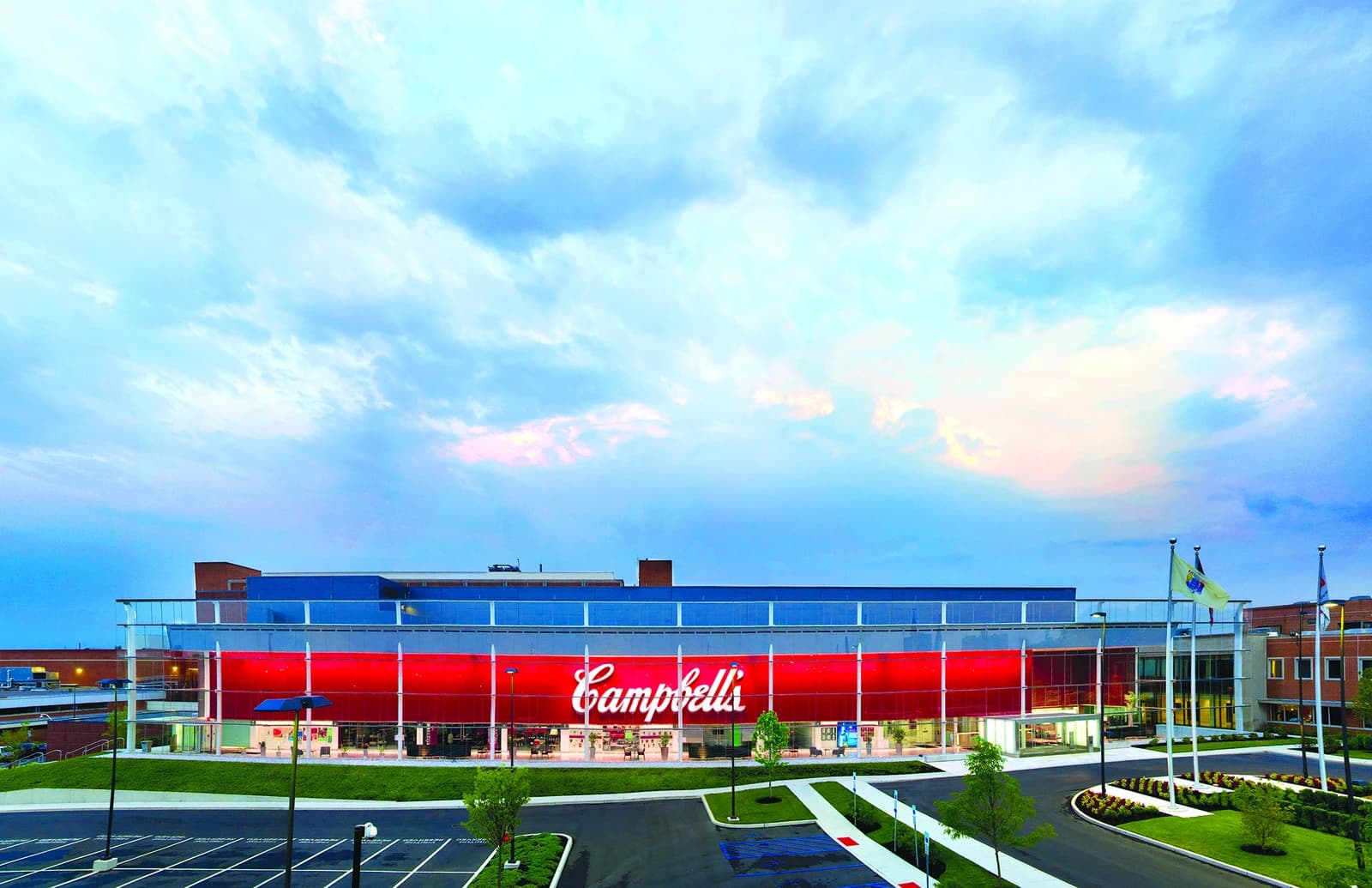
The company said it has closed plants, cut jobs and plans further price increases on select products as it seeks to offset inflation and restore profitability. That was not enough to reassure investors: shares fell about 11%, on track for their worst day since 2018, after Campbell’s also cut its dividend by a third and forecast sales and profit for the coming year below Wall Street estimates.
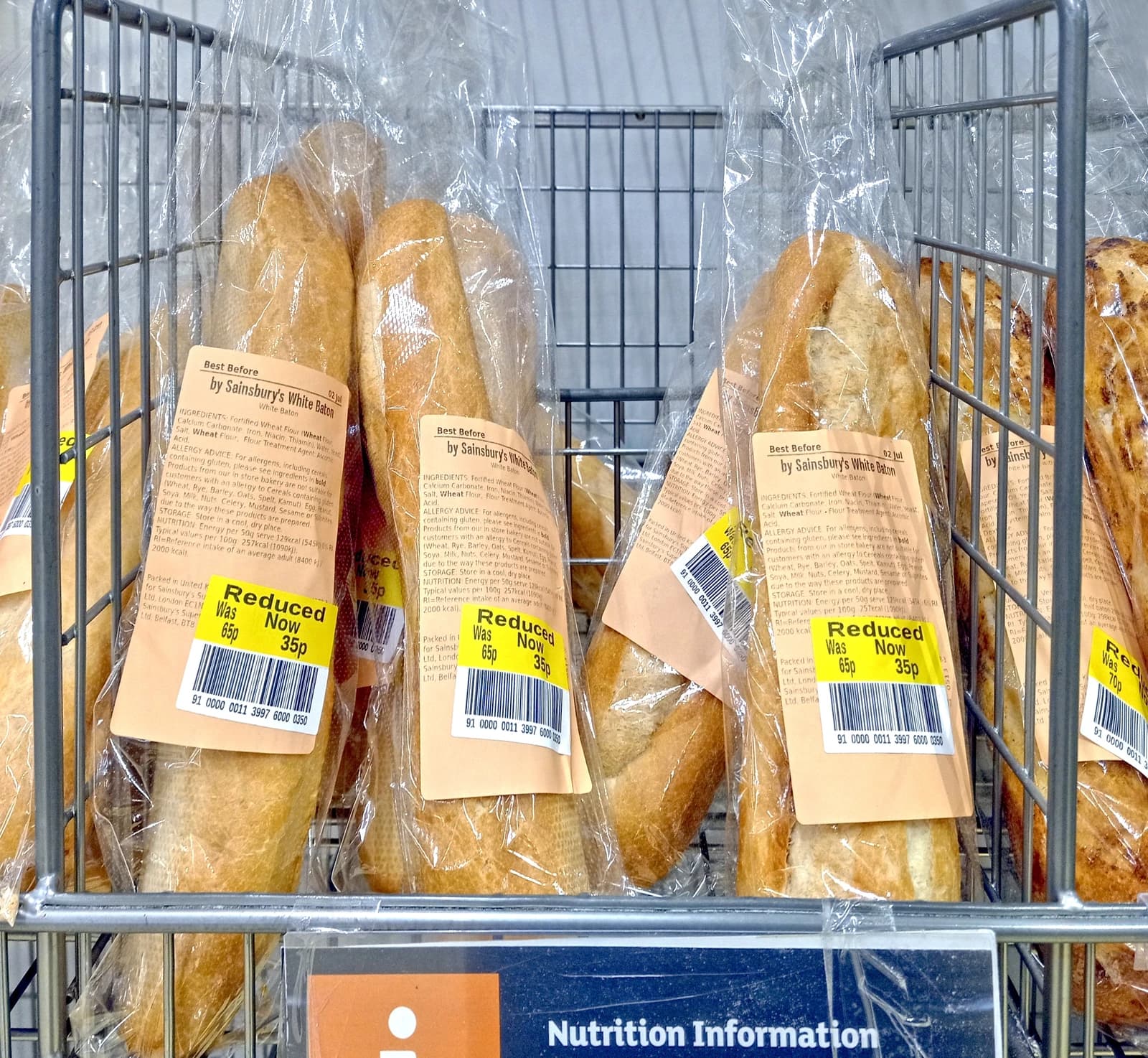
Chief Executive Mick Beekhuizen’s description of the results as “unacceptable” underscores the scale of the turnaround problem. Campbell’s is trying to defend margins in a category where budget-conscious shoppers are trading down to private-label and value brands, especially in lower-income households. That makes pricing power far less reliable than in recent years, when packaged-food groups were able to push through repeated increases to offset raw-material, logistics and promotional costs.
The company said average price increases of 4% to 5% across about 60% of its portfolio should begin showing up in the second quarter, but management is also bracing for the hit to volumes that typically follows. Fourth-quarter net sales fell 8% to $2.14 billion, slightly missing estimates, while adjusted earnings of 39 cents a share matched forecasts. Snacks volumes dropped 6% even as prices rose 1%, while meals and beverages volumes rose 3% with prices unchanged, a split that suggests the company’s portfolio is under uneven pressure.
For investors, the dividend cut is the clearest sign that Campbell’s is prioritizing balance-sheet flexibility and self-help over income support. The company said it aims to generate about $500 million in cost savings by fiscal 2030, an unusually aggressive target that could eventually support margins if execution holds. Barclays described the move as a more aggressive “self-help stance,” while eMarketer’s Suzy Davidkhanian said the brand needs better innovation and packaging, not just higher prices, to win shoppers back.
The outlook points to a difficult bridge year. Campbell’s now expects fiscal 2027 net sales to fall 2% to 4%, far worse than the 0.8% decline analysts had expected, and sees adjusted earnings per share of $1.65 to $1.80, below the consensus estimate of $1.86. With the shares already under pressure and technical momentum weak, the burden is on management to prove that plant closures, job cuts and pricing can offset a consumer shift that looks structural rather than temporary.
| Entity | Gains | Losses |
|---|---|---|
| Campbell’s management | ▲Cost control flexibility | ▼Investor trust |
| Campbell’s shareholders | ▲Longer-term margin repair | ▼Dividend income, near-term returns |
| Private-label/value brands | ▲Trading-down demand | ▼Branded packaged foods |
| Cost-conscious shoppers | ▲Cheaper alternatives | ▼Less choice from premium brands |