Canada Mortgage Rates Set to Rise on Bond Yields

Fixed mortgage rates in Canada are set to rise in the coming days as a sharp jump in government bond yields forces lenders to reprice borrowing costs just as households are already stretched by expensive housing and renewed inflation anxiety.
The key move is in the five-year Canada bond yield, which climbed to 3.64% on Thursday, its highest level since May 2024, after a one-day surge of 16 basis points. That matters because fixed mortgage pricing is anchored to bond yields, and the latest move points to mortgage rates climbing from the low 4% range into the mid- or even high-4% area almost immediately.
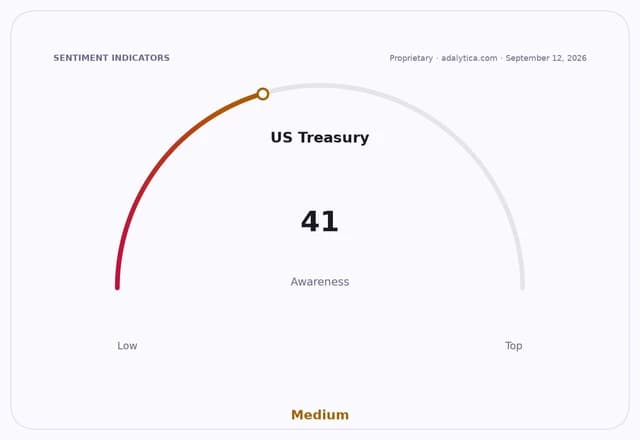
The market is not reacting to abstract rate math. It is responding to a fresh inflation shock tied to stubborn oil prices and the war with Iran, which is reviving the old Canadian housing playbook: when energy prices spike, bond yields usually follow, and lenders pass that cost straight through to borrowers. Joe Jacobs, a Calgary mortgage broker, said the five-year fixed rate typically runs 1.2 to 1.6 percentage points above the benchmark yield, but some of the most aggressive quotes have recently narrowed that spread to a little over 0.5 percentage point — a gap that now looks unsustainable.
For investors, the implications are immediate. Higher fixed mortgage rates can cool demand in a housing market that has already been starved by affordability stress, while also pressuring brokers, mortgage marketplaces and lenders that depend on transaction volume. The move also reinforces a broader tightening in Canadian credit conditions as swaps markets now price a 25-basis-point Bank of Canada hike by year-end, with another move flagged for early 2027. Variable-rate borrowers would feel that too.
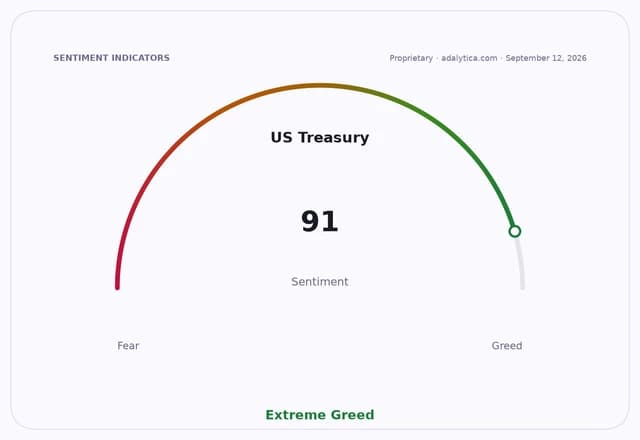
The housing complex is already flashing distress. Homebuilder ETFs such as ITB and XHB have been under pressure, while mortgage-backed bond proxies like MBB have weakened as rates backed up. In plain English, the market is telling you that the easy-money tailwind for housing is gone, and the next leg is likely lower activity, not higher volume.
That is why the best trade here may not be in homebuilders at all, but in the second-order winners: lenders with pricing power, mortgage brokers able to lock in preapprovals and renewals, and owners of inflation-linked or defensive assets that benefit when rate volatility rises. The losers are clearer: first-time buyers, refinance candidates and Canadian housing stocks that still assume borrowing costs can stay pinned near recent lows.
If bond yields hold near these levels, the repricing will spread quickly through the mortgage market and into housing demand. The market is underestimating how fast that feedback loop can bite.
| Entity | Gains | Losses |
|---|---|---|
| Bond investors | ▲Higher yields, better income | ▼Price pressure |
| Mortgage lenders/brokers | ▲Repricing power | ▼Lower affordability-driven demand |
| Canadian homebuyers | ▲Rate holds still possible | ▼Higher monthly payments |
| Homebuilders/REITs | ▲None obvious | ▼Slower sales and activity |