Canada and Ukraine Sign C$2 Billion Aid Package
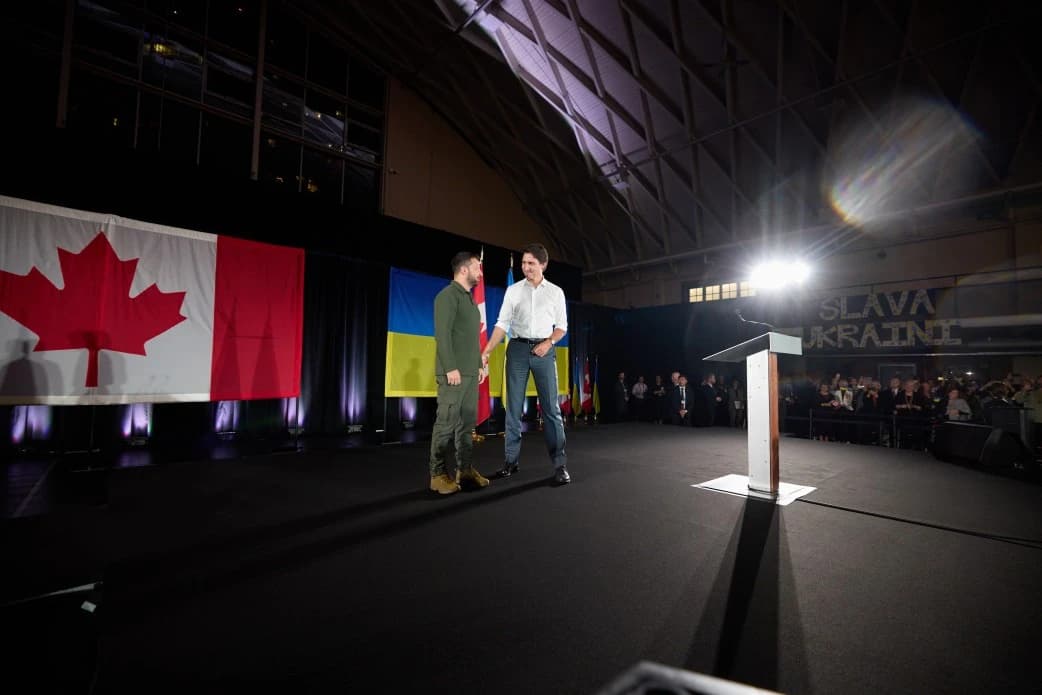
Canada and Ukraine deepened their wartime partnership with more than C$2 billion in new military, energy and industrial commitments on Thursday, while Ottawa said it is preparing another sanctions package aimed at Russia’s missiles, shadow fleet and financial channels.
The move matters economically because it extends the West’s effort to keep Ukraine funded, armed and supplied heading into winter, while tightening the squeeze on the logistics and financing that support Russia’s war machine. For investors, it reinforces the degree to which the conflict is still shaping defense demand, energy security spending, shipping risk and sanctions exposure across Europe and North America.
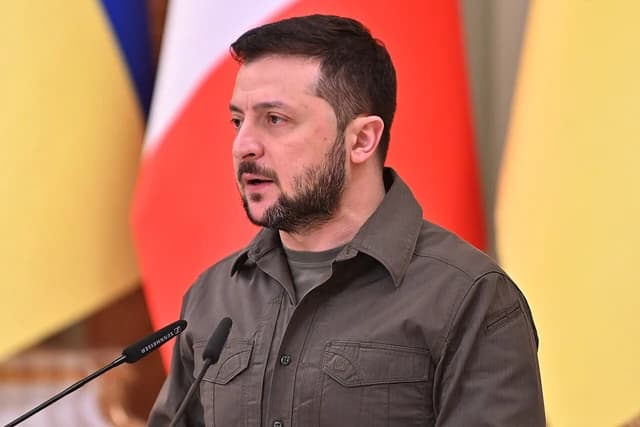
Prime Minister Mark Carney said Canada is “currently developing” a new sanctions package and will not wait for possible negotiations to intensify pressure on Moscow. He said Ottawa intends to target the Russian ballistic-missile production chain, the so-called shadow fleet used to evade restrictions, and financial services linked to Moscow.
That is economically meaningful because sanctions aimed at transport, insurance, finance and industrial inputs can raise the cost of sustaining Russia’s war effort even when battlefield conditions are unchanged. They also signal that Western governments are moving from broad punitive measures to more granular enforcement against the trade, payments and procurement networks that remain critical to Russian military output.
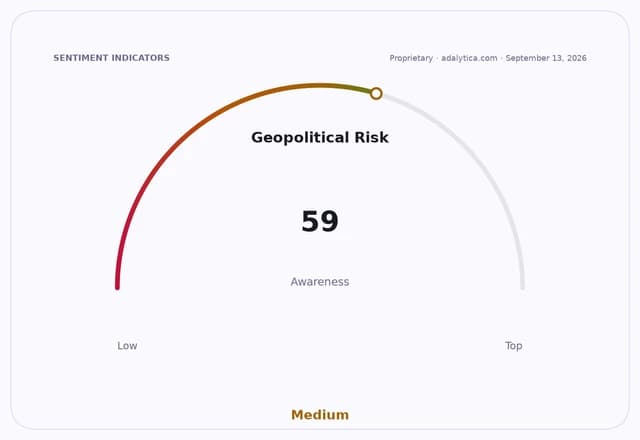
For investors, the likely effects are uneven. Tanker operators, commodity traders and insurers face the risk of more compliance costs and secondary exposure if Canada coordinates tighter action with allies. European energy markets may also watch for any further pressure on shipping routes and payment channels. By contrast, defense contractors, drone suppliers and air-defense names stand to benefit as Ukraine pushes for interceptors, Patriot ammunition and joint production of unmanned systems.
Zelenskiy said the agreements reached in Calgary are worth more than C$2 billion, including over C$1 billion for defense. Canada said it will provide C$350 million for air-defense interceptors and about C$435 million in new loan guarantees to help shore up Ukraine’s energy security before winter, a period when strikes on power infrastructure can have outsized economic and social costs.
The package also includes C$40.1 million for Ukrainian veterans and up to C$6 million to support the return and reintegration of children deported or transferred by Russia. Beyond humanitarian value, those pledges help sustain Ukraine’s state capacity and labor-force recovery, which are prerequisites for reconstruction and long-term fiscal stability.
The two governments also signed a 100-Year Partnership Declaration, elevating ties toward a strategic framework centered on defense, security, reconstruction and economic cooperation. Zelenskiy said he expects progress in diplomacy later this month, but also warned Russia often escalates attacks when peace contacts emerge.
That leaves the market narrative unchanged but sharper: the war is entering another phase in which aid, sanctions and industrial cooperation are increasingly intertwined. For investors, the key questions are whether Canada’s measures are matched by allies, how aggressively enforcement hits Russia’s shipping and financing networks, and whether Ukraine’s defense-industrial base can scale fast enough to convert new money into battlefield resilience.
| Entity | Gains | Losses |
|---|---|---|
| Ukraine | ▲More weapons and energy support | ▼Continued dependence on allies |
| Canada | ▲Strategic influence, defense ties | ▼Higher fiscal commitments |
| Russian military supply chain | ▲— | ▼Sanctions pressure |
| Defense and drone suppliers | ▲Higher demand | ▼Execution and capacity strain |