Canadian Grocers Shift Toward Local Sourcing
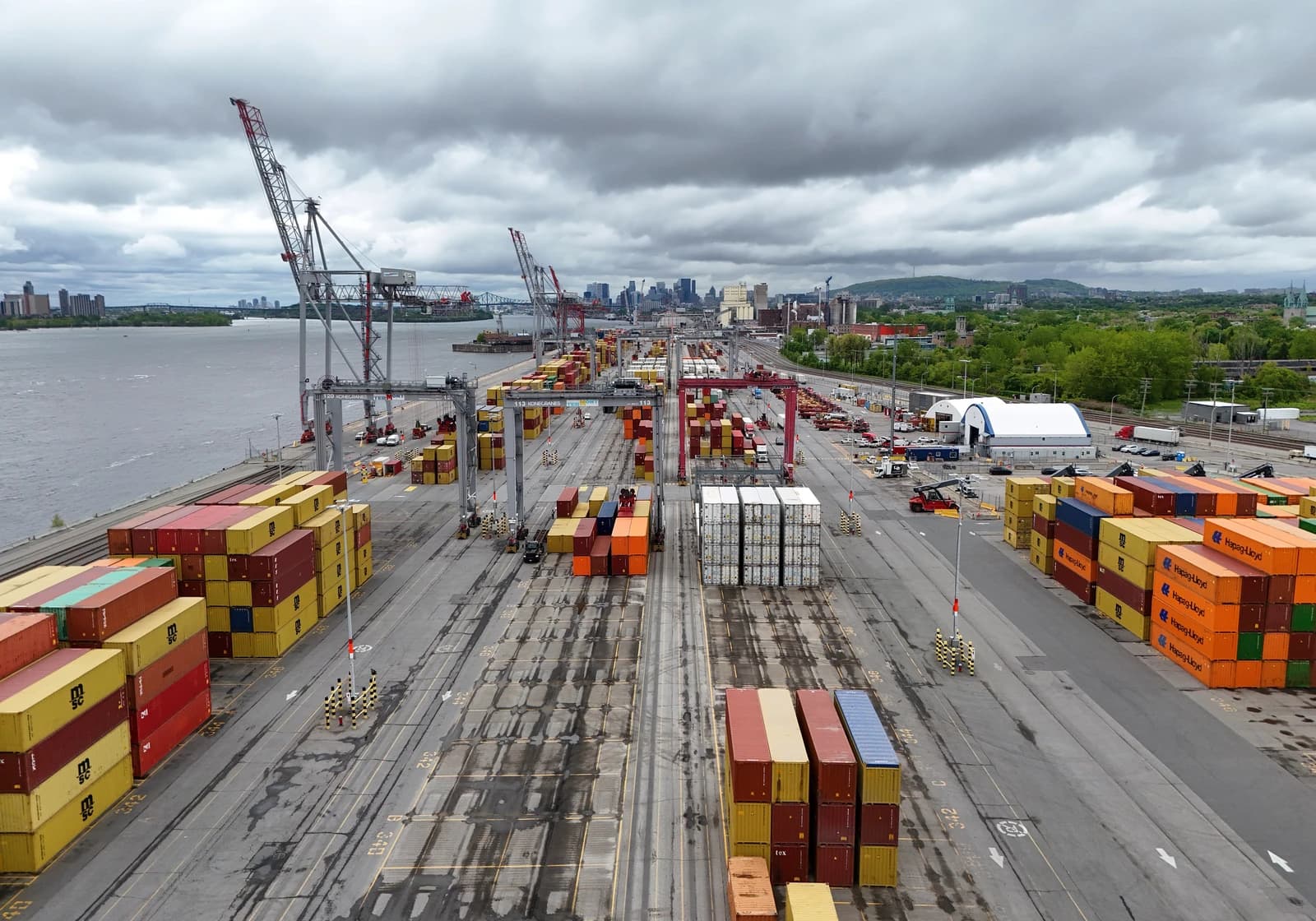
Canadian supermarkets are being forced to redraw sourcing maps as a consumer-led boycott of U.S. goods hardens into a lasting shift in grocery demand, adding costs for retailers and opening the door for more diversified supply chains.
That matters because food is one of the most immediate transmission channels for trade wars. When shoppers reject U.S. produce and packaged goods, grocers cannot simply pass through the change without affecting margins, inventory mix and supplier contracts. The result is a structural push toward local sourcing, more labeling, and in some cases more expensive imports from farther afield — a change that can outlive the current political cycle.
At Vince’s Market in Ontario, President Giancarlo Trimarchi said the stores now source about 90% Canadian produce after customers complained about U.S. items on shelves. He has shifted strawberries to Quebec from the United States and cut advertising spending to help offset higher operating costs. Loblaw, Canada’s biggest grocer, has brought back maple-leaf signage to identify Canadian products and revived tariff tags so shoppers can avoid U.S.-linked goods. Metro, the country’s third-largest grocer, says it is prioritizing local supply.
The commercial stakes are broad. Canada is the world’s fifth-largest importer of fresh vegetables by value and still depends heavily on U.S. suppliers, which supplied 62.6% of vegetable imports in July, down from 69% a year earlier. More than half of fruit imports still came from the United States, underscoring how much room there is for a consumer boycott to distort normal trade flows. With trade talks collapsing and fresh tariffs and counter-tariffs following on Aug. 21, retailers are being pushed to build parallel sourcing networks instead of waiting for politics to normalize.
The economics are not trivial for investors. Canadian grocers typically rely on U.S. imports through winter, but Ottawa is spending about C$3 billion over 10 years to expand greenhouse capacity and reduce reliance on foreign produce. That points to a multi-year capex cycle in controlled-environment agriculture, logistics and domestic food processing. It also suggests margin pressure for retailers in the near term, since alternative suppliers in Spain, Brazil and Honduras can be costlier and harder to integrate than established U.S. routes.
For public markets, the better read is not just on grocers such as Loblaw, Metro and independent chains, but on the pick-and-shovel beneficiaries of supply-chain reconfiguration: greenhouse operators, cold storage, food logistics and packaging. U.S. packaged-food exporters with Canadian exposure could face a slower demand backdrop, while Canadian domestic brands gain shelf share if nationalist buying persists. Conventional technical indicators on U.S. consumer staples names like Campbell Soup, Kraft Heinz and Walmart already show a market that is uneven and defensive, but the bigger question is whether this boycott becomes a buying habit rather than a protest.
The market is underestimating how quickly consumer nationalism can become procurement policy. If relations improve, cheaper U.S. goods could win back shelf space. But if the boycott sticks, Canada’s grocery aisle will be one of the clearest examples of trade conflict turning into permanent supply-chain rewiring — and that is where the next investable opportunity is likely to be found.
| Entity | Gains | Losses |
|---|---|---|
| Canadian grocers | ▲local share, shopper loyalty | ▼higher sourcing costs |
| U.S. produce exporters | ▲— | ▼shelf-space losses |
| Canadian greenhouse growers | ▲investment demand | ▼import competition |
| Retailers with diversified supply chains | ▲resilience premium | ▼margin pressure |