Canadian Households Use Home Equity to Pay Debt
Canadian households are increasingly using home equity loans and second mortgages to pay off credit cards and other revolving debt, a sign that higher borrowing costs are pushing more families into precarious financial positions.
The shift matters because it suggests mortgage resets are no longer just a housing-market issue — they are feeding a broader consumer credit problem. When borrowers roll expensive unsecured debt into longer-dated mortgage debt, they may get breathing room on monthly payments, but they also extend leverage and expose themselves to another wave of stress if rates stay elevated or home values weaken.

That pressure is showing up in the credit system. The Bank of Brazil’s financial stability committee said household indebtedness remains historically high and debt-service burdens have reached a record, with elevated problem assets and default risk suggesting losses in loans to families and companies will stay high. In Canada, the same dynamic is visible in the rise of refinancings and repeat borrowing against homes rather than fresh spending power.
For lenders, the trend supports mortgage growth but worsens credit quality. Banks benefit from larger secured loan books, yet they are also taking on borrowers who are increasingly dependent on their homes to refinance day-to-day consumption, which can raise losses if unemployment rises or house prices cool.
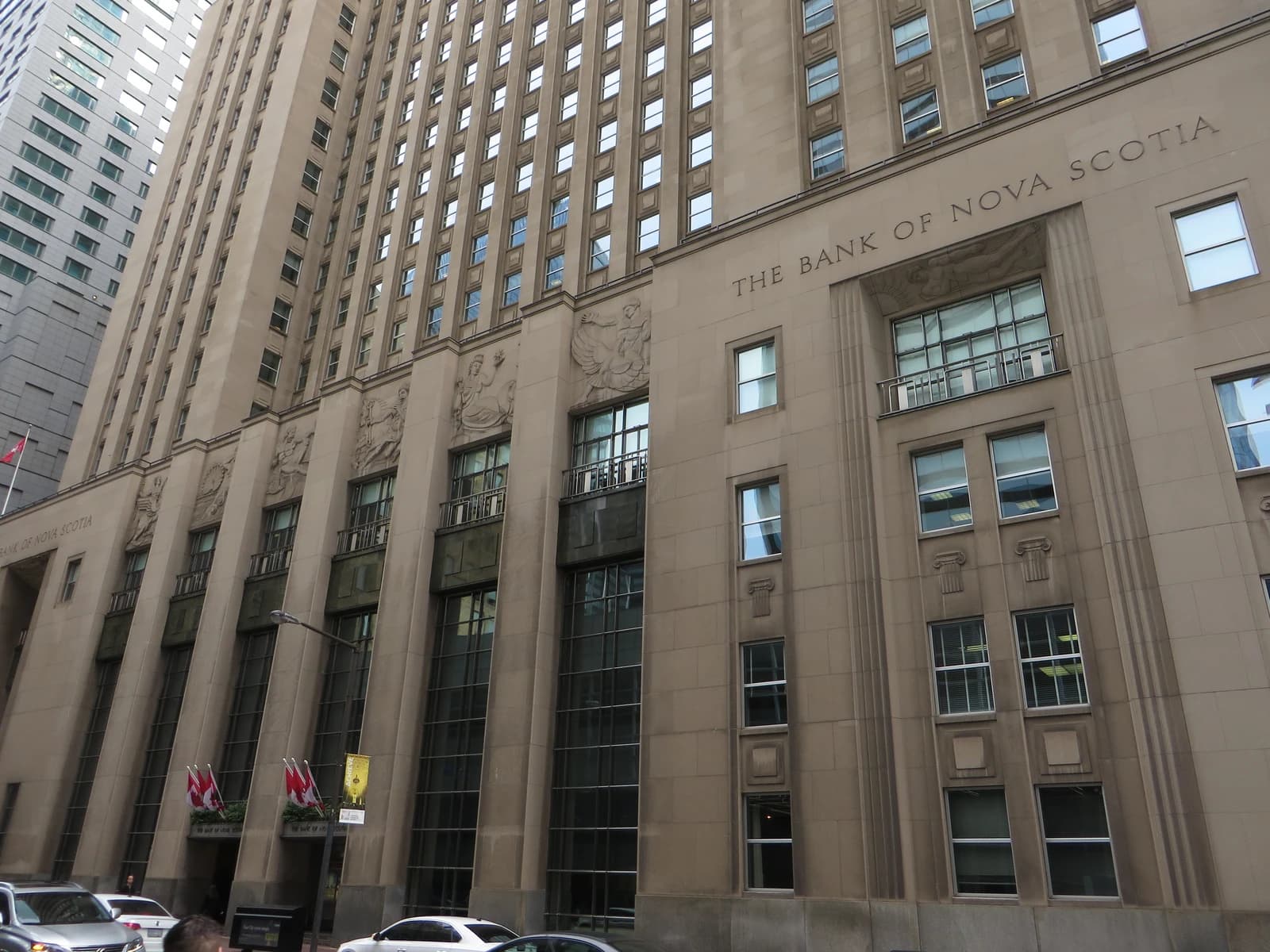
Canadian bank shares reflect that tension. Royal Bank of Canada and Toronto-Dominion have both held above their 200-day moving averages, but recent technical readings show momentum softening, with RBC’s RSI around 36.9 and TD’s near 44.8, while Scotiabank’s price has also eased from recent highs. Investors are watching whether loan growth from refinancing can offset the risk of higher provisions.
The broader macro backdrop is not helping. U.S. 10-year yields are near 4.82%, and higher government borrowing costs tend to keep mortgage rates elevated across North America. That leaves Canadian households with little relief unless central banks cut more aggressively or wage growth catches up.
The next test is whether delinquency rates start to rise in consumer and mortgage portfolios as borrowers exhaust balance-sheet buffers. If they do, banks may face a harder trade-off between keeping credit flowing and protecting capital.
| Entity | Gains | Losses |
|---|---|---|
| Canadian banks | ▲More secured lending volume | ▼Higher credit-risk exposure |
| Heavily indebted households | ▲Short-term cash-flow relief | ▼More leverage and longer repayment burdens |
| RBC, TD, BNS | ▲Mortgage and refinance activity | ▼Softer loan quality and margin pressure |
| Unsecured lenders | ▲Less revolving-balance demand | ▼Customers shifting debt out of cards |