Canadian Tariffs Raise Select U.S. Import Prices

New U.S. tariffs on Canadian goods will lift prices for some imported items, but the broader inflation impact is likely to be limited because the levies cover only a slice of bilateral trade and arrive in an economy where underlying price pressures are still relatively contained.
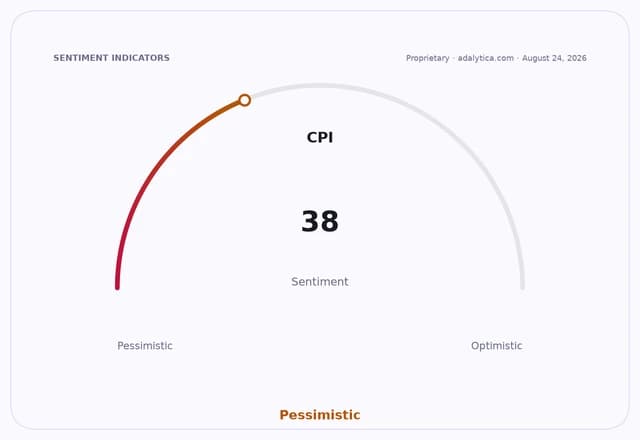
That matters because the tariff shock is being absorbed into an inflation backdrop that is already cooling at the margin. The latest consumer-price data show headline CPI rising 0.07% in July from June, while core CPI, which strips out food and energy, increased 0.22%. Forecasts for August point to only modest further gains, suggesting the tariff hit is more likely to show up as scattered price increases than as a new inflation wave.
The policy significance is straightforward: tariffs are a tax on specific imports, not a generalized demand shock. Trade experts say the new duties, even at rates as high as 50% on certain Canadian products such as wine, cement and equipment, affect a limited share of goods crossing the border. The U.S. measures are said to touch about 5% of Canadian exports to the U.S., which helps explain why economists do not expect a repeat of the broad-based inflation acceleration seen during the pandemic-era supply shock.
For consumers, that means higher sticker prices on selected goods, but not necessarily a meaningful change in the overall cost of living. For the Federal Reserve, it also reduces the risk that tariffs alone force an abrupt shift in policy. Central bankers are far more likely to look through a one-off relative-price adjustment than respond to a sustained, economy-wide upswing in inflation expectations.
The Canadian side of the ledger is more exposed. Ottawa has already signaled retaliatory tariffs on U.S. products, raising the odds of localized price increases, margin pressure for importers and more volatility in cross-border supply chains. That could matter for businesses that rely on just-in-time logistics and thin inventory buffers, especially in industrial goods, food and transport-linked sectors.
Markets are treating the issue as a bilateral trade irritant rather than a macro shock. The Canadian dollar has weakened against the U.S. currency, reflecting concern that a protracted tariff fight will weigh on growth and investment. Canadian National Railway and related transportation names sit on the front line of any trade disruption because freight volumes can be affected if the flow of goods slows or reroutes.
The bull case for inflation remains that the tariff package is too narrow to alter the national price trend in a durable way, especially with energy prices and core goods inflation not showing signs of a renewed surge. The bear case is that retaliation, broader supply-chain frictions and higher input costs could gradually bleed into categories beyond the directly targeted products if the dispute escalates.
For investors, the key question is not whether some Canadian imports get pricier, but whether the trade conflict evolves into a wider confidence shock. So far, the evidence points to a manageable inflation impulse, but one that could still dent growth-sensitive assets in Canada and keep cross-border industries on edge.
| Entity | Gains | Losses |
|---|---|---|
| U.S. consumers | ▲Little broad inflation change | ▼Higher prices on select imports |
| Canadian exporters | ▲Some maintain U.S. access | ▼Tariff hit and margin pressure |
| U.S. importers | ▲Limited pricing power gains | ▼Higher input costs |
| Freight and rail operators | ▲Potential rerouting demand | ▼Lower cross-border volume if trade slows |