Cape Town Housing Prices Rise on Supply Constraints
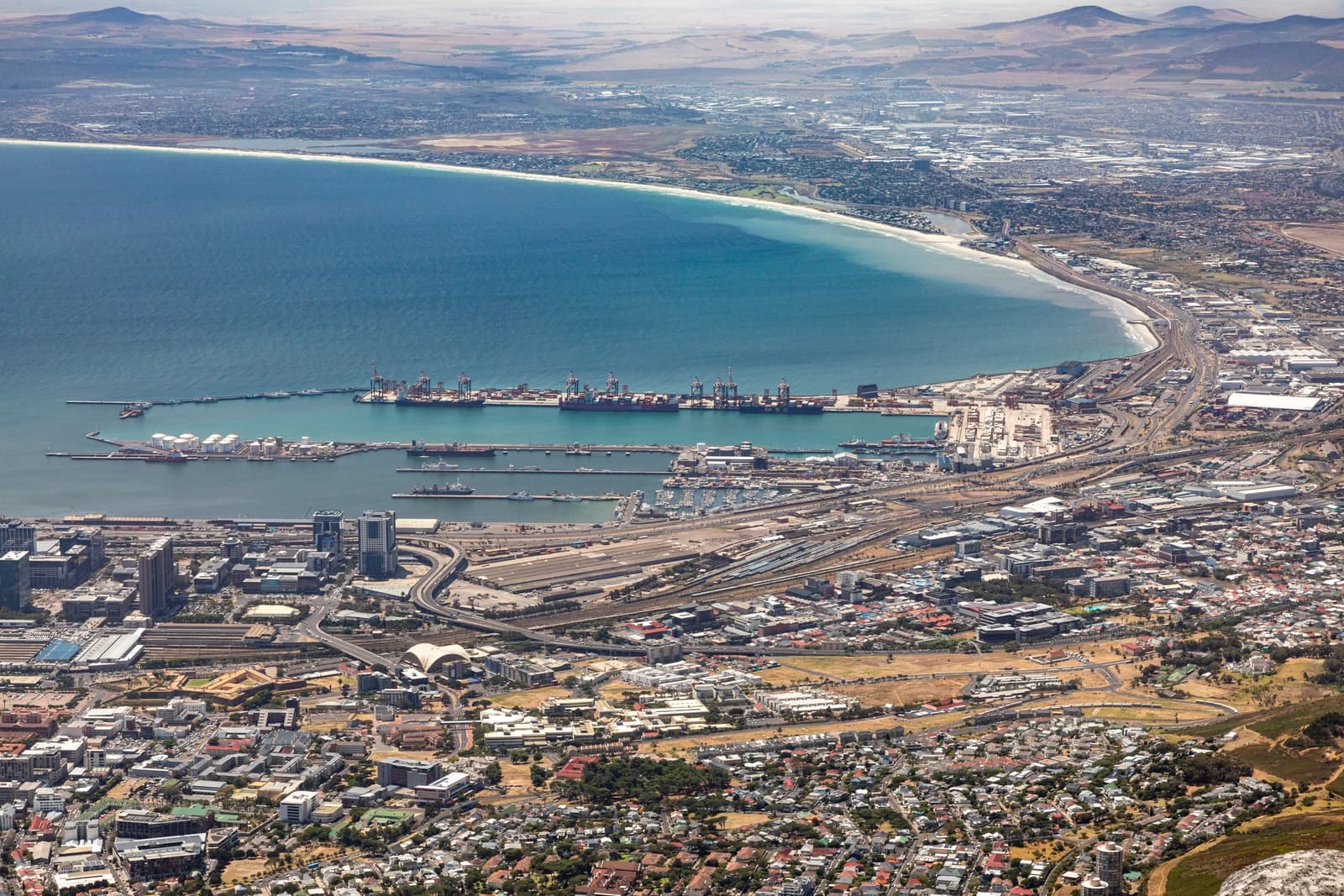
Cape Town’s housing market is still doing what investors prize and policymakers dread: rising faster than the rest of the country, with double-digit price growth underscoring how scarce desirable property has become in South Africa’s most supply-constrained metro.
That matters because property inflation is no longer just a local story about affluent suburbs and holiday homes. It is a read-through on wealth concentration, rental pressure, construction bottlenecks and the affordability squeeze facing households already hit by elevated living costs. When home values in one of the country’s most liquid markets keep pulling away, the gap widens between owners and renters, and between coastal nodes that attract capital and inland markets that do not.
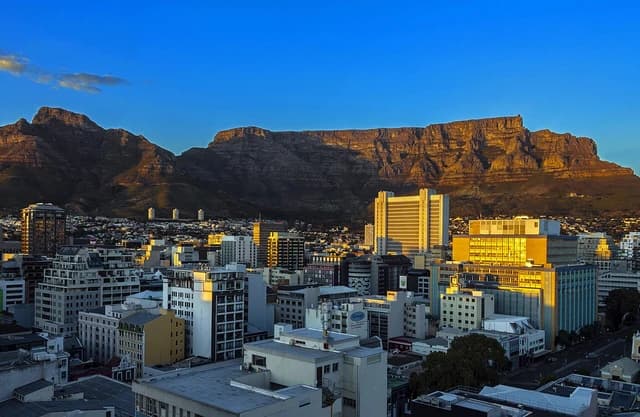
The latest data show South Africa’s national house-price index at 335.104 in May, up from 331.6 in June last year, after a strong run from 292.683 in early 2023. The broader trend is steady rather than explosive, but Cape Town’s market is clearly the outlier, with the city continuing to post double-digit gains even as national growth has moderated. That divergence is the real story: capital is concentrating in a few high-demand metros, and Cape Town is the cleanest expression of that trend.
For investors, the implication is straightforward. The market is underestimating the durability of asset-price support in South Africa’s premium urban nodes, especially where lifestyle demand, remote-work migration, tourism and constrained new supply intersect. That supports residential developers with exposure to the Western Cape, landlords with quality coastal inventory, and listed property groups tied to prime urban housing and mixed-use assets. It also favors businesses selling into the housing ecosystem — from building materials to mortgage origination and furnishings — while making affordability a growing risk for buyers chasing the market higher.
The macro backdrop reinforces the move. South Africa’s 10-year government bond yield is still around 4.63% to 4.70%, while inflation remains above the old comfort zone, leaving real borrowing costs and mortgage sensitivity important even if financing conditions are not yet restrictive enough to break demand. At the same time, confidence in the Fed’s 2% inflation target has been volatile globally, and U.S. dollar and equity signals point to a market still comfortable with risk. In that setting, scarce real assets in politically stable, globally recognizable locations tend to attract incremental capital.
Cape Town’s edge also reflects something deeper than speculation. Supply is being constrained by zoning, infrastructure limits and the city’s own regulatory pushback on short-term rentals such as Airbnb, even as demand keeps coming from domestic buyers, expatriates and investors searching for hard assets. That is exactly the kind of setup that creates persistent pricing power: limited stock, broad demand and rising replacement cost.
The next catalyst is whether the price gap starts feeding a second-round effect into land, rental yields and new development approvals. If it does, Cape Town’s premium could widen again, and the winners will be developers, owners and lenders positioned in the Western Cape. For investors looking for an asymmetric real-asset trade, this is still a market where scarcity is the moat.
| Entity | Gains | Losses |
|---|---|---|
| Cape Town homeowners | ▲Paper wealth gains | ▼First-time buyers |
| Western Cape developers | ▲Higher pricing power | ▼Affordable housing seekers |
| Landlords and REITs | ▲Rising rents | ▼Long-term tenants |
| National buyers | ▲None | ▼Relative affordability |