Capital One, Synchrony, AmEx Face Credit Stress
Rising borrowing costs and a still-elevated labor market are keeping pressure on consumer lenders and debt-heavy households, a mix that matters for banks, credit-card issuers and anyone facing a near-term repayment decision.
The 10-year Treasury yield has climbed to 4.789%, near its highest level in the supplied data, while the unemployment rate is expected to edge only slightly lower to 4.02% from 4.1%. That combination points to tighter financial conditions without a clear cushion from the job market, a backdrop that can make even modest debts harder to manage and raises the odds that borrowers seek restructuring or legal advice before choosing bankruptcy.
That is the investor-relevant part of the story for firms exposed to consumer credit. Capital One, Synchrony Financial and American Express all sit in the path of rising delinquency risk, with recent filings showing the market is already focused on charge-offs and late payments. Higher rates lift funding costs and can strain borrowers’ monthly budgets, while weaker credit quality can force lenders to build reserves and pressure earnings.
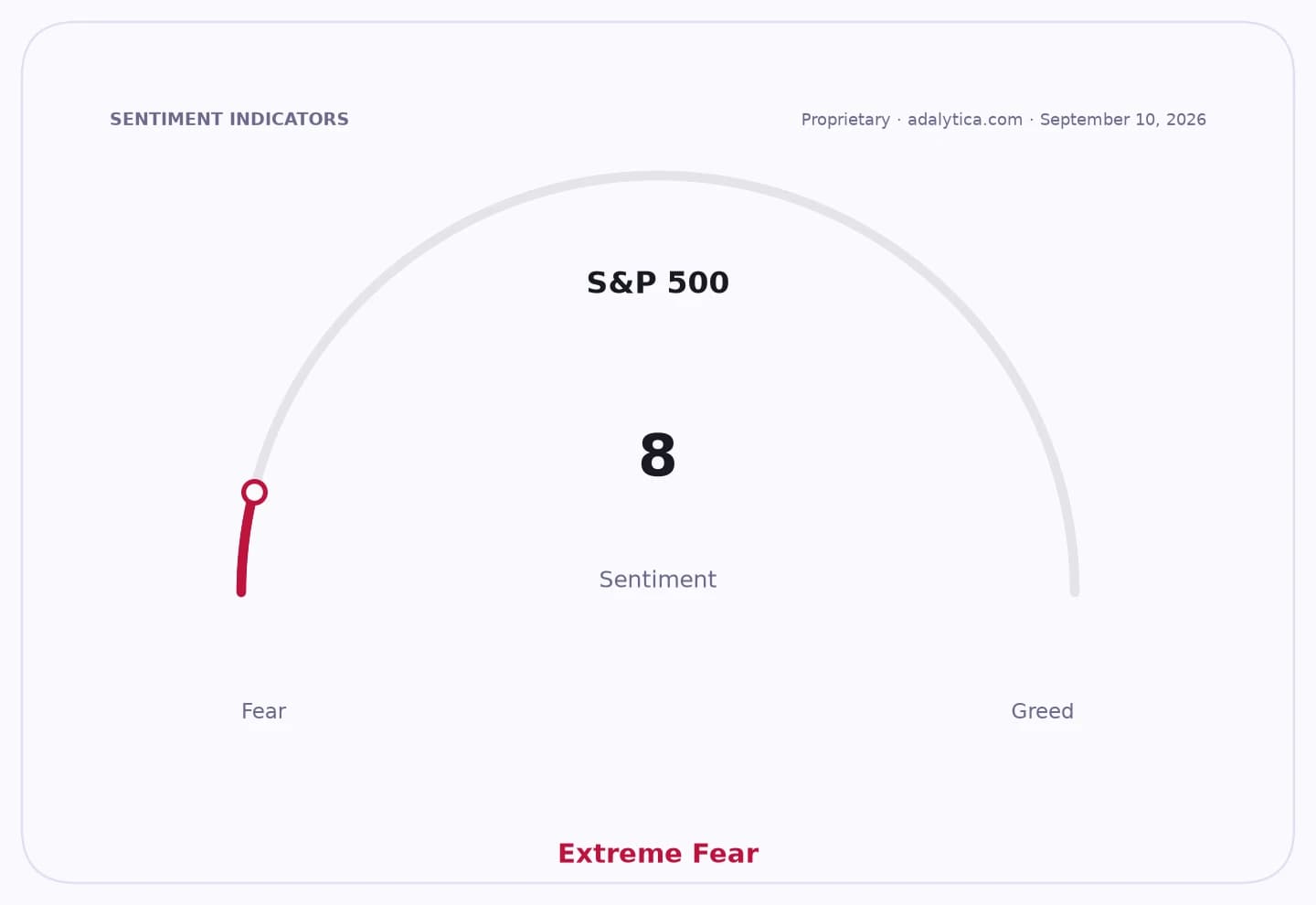
The macro picture also fits the market tone. Adalytica’s S&P 500 trade signals show “Extreme Fear,” with sentiment at 8 and the broader index down 6% over 30 days, suggesting investors are already discounting more stress in rate-sensitive parts of the market. For lenders, that usually means closer scrutiny of reserves, underwriting and exposure to subprime or revolving credit.
Capital One shares fell to $206.57 in the latest session, below their 50-day moving average of $211.83 and just above the lower end of their recent Bollinger Band range, while Synchrony closed at $75.32, near its 50-day average of $76.64. American Express ended at $320.05, also below its 50-day moving average of $340.39. The technical backdrop suggests traders are still cautious even as credit names have already absorbed part of the macro pressure.
The next catalyst is the September labor report and any further move in Treasury yields. If unemployment stays contained but rates remain elevated, lenders may keep facing a slow grind higher in credit costs rather than a one-time shock.
| Entity | Gains | Losses |
|---|---|---|
| Treasury holders | ▲Higher yield income | ▼Borrowers with variable-rate debt |
| Banks and card lenders | ▲Wider lending spreads | ▼Higher charge-offs |
| Consumers with debt | ▲More time to refinance if jobs hold | ▼Greater payment strain |
| AXP, COF, SYF shorts | ▲Credit stress narrative | ▼Any dip in delinquencies |