Carnegie House Ground Lease Award Voided
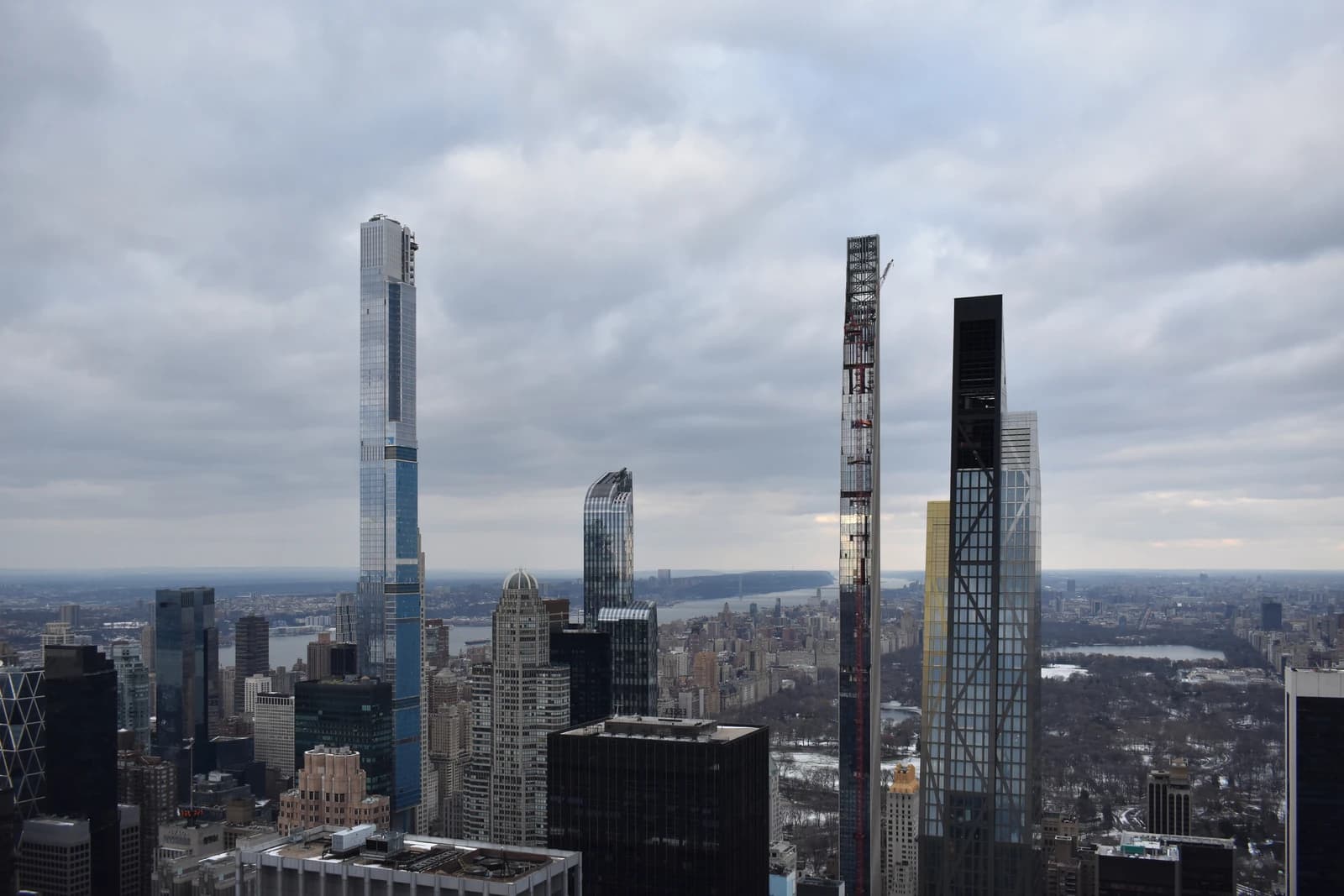
Carnegie House has won a crucial legal reprieve in a fight that has become a test case for New York’s ground-lease co-ops, after a state appellate panel voided an arbitration award that would have lifted annual ground rent by 450% to about $24 million.
The ruling does not solve the underlying dispute, but it materially changes the economics for more than 300 middle-class households at 100 W. 57th St. by removing an immediate threat of defaults, foreclosures and a forced sale or deconversion. For investors in Manhattan ground leases, it also shows courts can still unwind even a favorable award for landlords if the process is tainted, raising the legal and valuation risk on a niche asset class that depends heavily on contract enforceability.
The panel said the arbitration was compromised because the neutral umpire failed to properly disclose a job offer from the landowners’ co-counsel while the case was still pending. That disclosure failure was enough for the court to wipe out the award entirely and send the matter back to renegotiation or a new, impartial arbitration.
That matters because the disputed rent increase was not incremental. Carnegie House said the new annual ground rent would have jumped from $4.36 million to roughly $24 million, a burden the co-op argued could not be absorbed without destroying resident equity. The landlords had also sought more than $10 million in back rent with only 20 days’ notice, turning a rent dispute into an immediate liquidity shock for residents.
The building sits on one of the city’s most closely watched ground leases, controlled by an entity tied to investors Rubin Schron and David Werner, along with Dell Technologies founder Michael Dell. The case has drawn attention well beyond Billionaires’ Row because it sits at the intersection of scarce urban land, sharply higher valuations and older co-ops that were structured for a very different market.
For residents, the decision is a temporary but meaningful defense against a potentially existential cost increase. For landlords, it delays monetisation and forces another round of bargaining, with no guarantee a fresh panel would reach the same result. For the wider market, it reinforces the idea that ground-lease assets carry not only rent-reset risk, but also procedural risk that can materially alter cash flows.
The broader policy backdrop is equally important. New York has roughly 100 ground lease co-ops housing an estimated 25,000 residents, many of them in outer-borough neighborhoods where incomes are far below the value of the land beneath them. Legislative efforts to protect those buildings have stalled, leaving thousands of homes exposed to disputes as leases reset in an era of elevated property values and stubborn affordability pressure.
That makes Carnegie House a bellwether. If the court’s reasoning emboldens other co-ops to challenge arbitration procedures, landlords may face longer timelines and lower certainty in extracting rent increases. If the case eventually settles near the original award, it would confirm how much leverage landowners still have once a lease reset reaches the table.
Either way, investors now have a clearer read on the risk profile: these are not simple real-estate income streams, but politically sensitive, litigation-prone contracts whose outcomes can swing from one arbitration panel to the next.
| Entity | Gains | Losses |
|---|---|---|
| Carnegie House co-op residents | ▲Avoids immediate 450% rent jump | ▼Still faces uncertain renegotiation |
| Landlords tied to Dell, Schron, Werner | ▲Keeps leverage in new talks | ▼Loses arbitration award and cash flow speed |
| New York ground-lease co-ops | ▲Gains legal precedent for process challenges | ▼Faces continued lease-reset exposure |
| Prospective buyers of similar assets | ▲Clearer view of legal risk | ▼Higher uncertainty on future rent resets |