Caspian Sea dispute grows as water levels fall
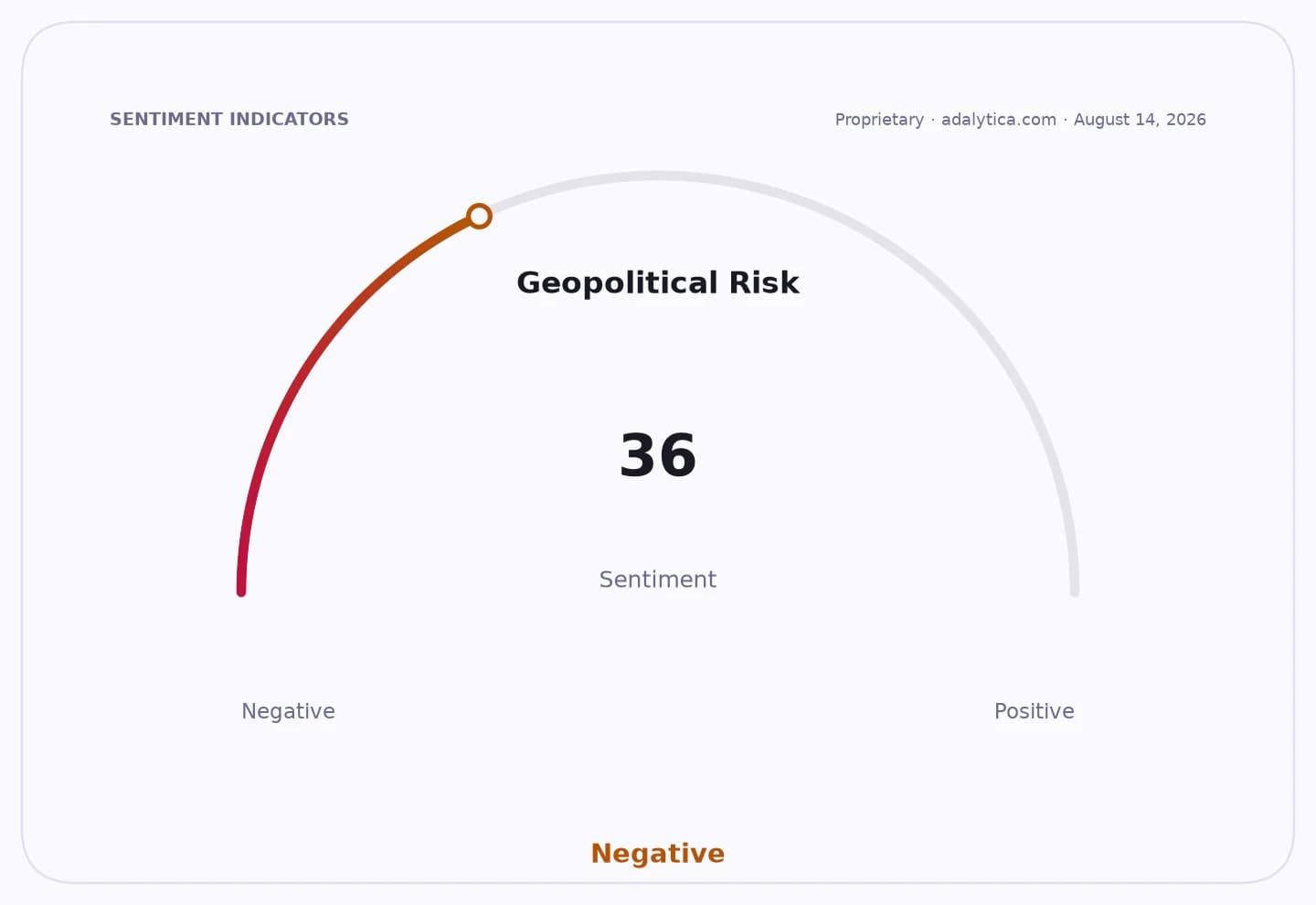
A former ambassador has pushed back on claims that Iran owns half of the Caspian Sea, underscoring how legal ambiguity and falling water levels are colliding to raise the stakes for the five littoral states.
The dispute matters because the Caspian is not just a geopolitical talking point; it is a shared basin that supports shipping, energy development, fisheries and coastal infrastructure across Azerbaijan, Iran, Kazakhstan, Russia and Turkmenistan. With the sea level already at its lowest in about two centuries, every argument over jurisdiction becomes more consequential for ports, offshore projects and access to resources.
The ambassador’s comments cut against a narrative that has periodically circulated in regional debates and revive attention on the 2018 convention governing the legal status of the Caspian, which left key delimitation issues to be worked out bilaterally. In practice, that means there is no single document assigning Iran 50% of the sea, even if Tehran continues to press for a larger share than some neighbours are willing to accept.
That legal uncertainty now sits alongside a worsening physical one. The Caspian’s retreat is already threatening coastal facilities, marine habitats and fishing activity, while also complicating the economics of offshore oil and gas projects that depend on stable water access and transport links. The extension of fishing rights around the Sea Lion project area to 2052 highlights the tension between resource exploitation and a shrinking ecosystem.
For investors, the immediate relevance is less about a headline land grab than about the durability of regional infrastructure and the policy risk around energy assets, shipping routes and environmental controls. Companies with exposure to the Caspian basin face rising operational and reputational pressure as governments are forced to balance hydrocarbons, fisheries and conservation in a basin that is shrinking faster than diplomacy can resolve ownership disputes.
The bullish case for regional operators is that the dispute remains manageable through bilateral deals and existing conventions. The bear case is that lower water levels intensify friction over borders, ports and seabed rights just as climate stress makes the basin more expensive to use. Either way, the combination of legal ambiguity and ecological decline makes the Caspian a bigger economic story than a single claim over its map.
| Entity | Gains | Losses |
|---|---|---|
| Iran hardliners | ▲Leverage in talks | ▼Legal certainty |
| Littoral states favoring bilateral deals | ▲Flexibility | ▼Clearer rules |
| Energy and shipping operators | ▲Short-term continuity | ▼Long-term asset risk |
| Coastal communities and fisheries | ▲Conservation focus | ▼Access to resources |