Catalonia grape prices fall below production costs
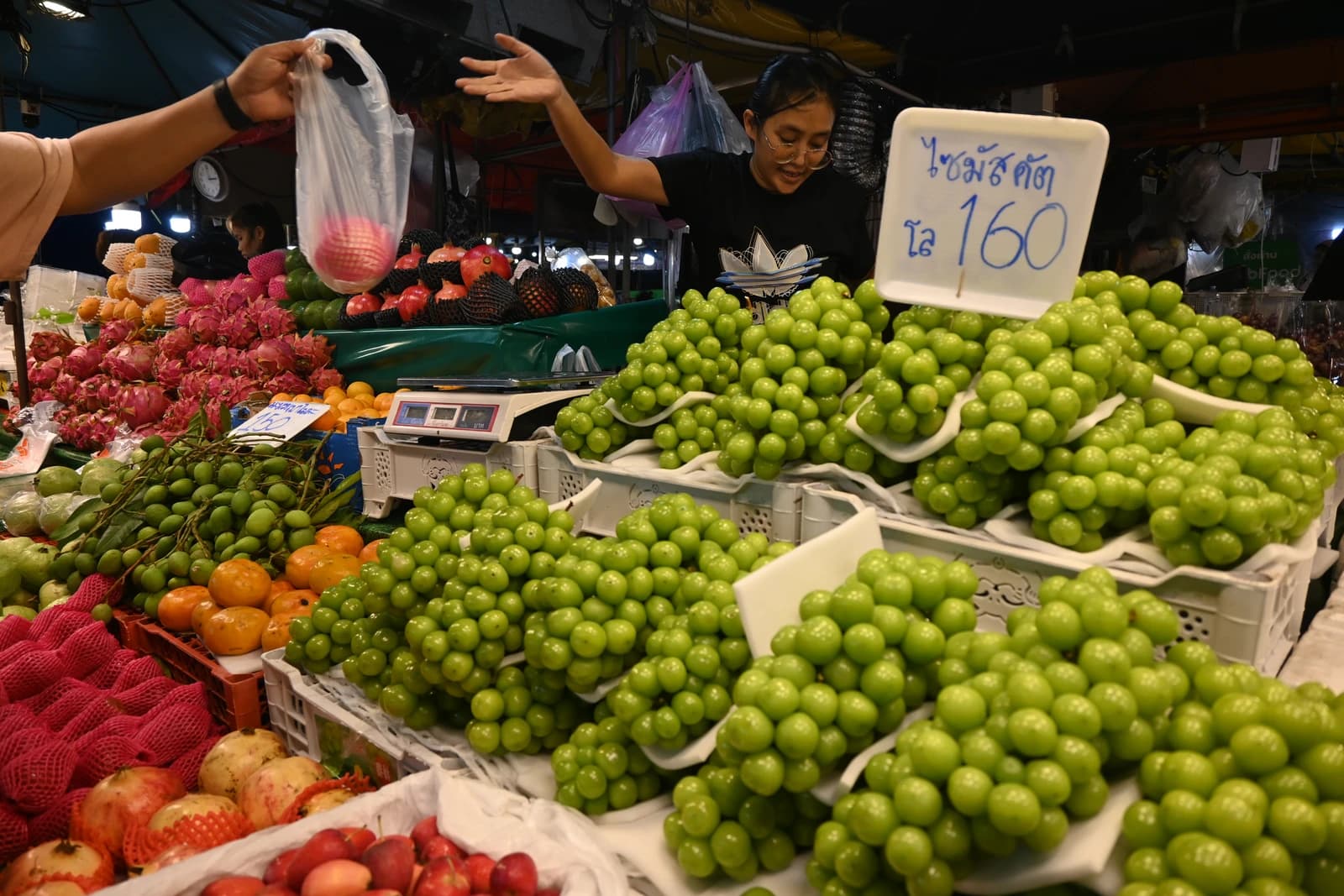
The 2026 grape harvest is colliding with a pricing dispute that threatens vineyard margins across key wine regions, as growers say the crop will not be the problem this year — the price paid per kilo will.
In Catalonia and other producing areas including Penedès, Terra Alta and Requena, vintners are warning that the harvest is arriving into a market where buyers are pushing prices below production cost. An Incavi study put the cost of producing grapes for cava base wine at 0.53 euros a kilo for macabeu and xarel·lo, and 0.56 euros for parellada, underscoring how little room growers have to absorb a weak pricing environment.
That matters because the surplus is not just a seasonal nuisance but a direct hit to rural incomes and the economics of the grape supply chain. When spot prices fail to cover cost, growers can be forced to leave fruit unpicked, accept losses, or cut back on investment in pruning, irrigation and vineyard renewal — all of which can affect next year’s output and quality. For cooperatives and wineries, cheaper fruit may look like a short-term margin gain, but it also raises the risk of supply stress later if smaller growers exit the market.
The pressure is especially acute in regions focused on cava and bulk wine, where grapes are more fungible and bargaining power is concentrated in the hands of buyers. The Incavi cost study, based on six campaigns of Catalan yield data from 2020 to 2025, gives growers a benchmark for negotiations and turns the debate into one of industrial economics rather than weather or quality. The issue is not whether the grapes exist — the harvest is ample — but whether the market structure allows farmers to earn a viable return.
For investors, the story is a reminder that agricultural oversupply can create winners and losers inside the beverage industry. Wine producers with strong brands, inventory discipline and access to cheaper inputs may protect margins, while grape growers and smaller suppliers face compressed cash flow. Companies with exposure to bulk wine or commodity-style sourcing are more vulnerable to price volatility, while vertically integrated producers may be better positioned to capture cheaper raw material.
The broader backdrop also argues for caution. A good harvest can be bullish for supply reliability, but only if pricing supports farm economics. If not, the surplus becomes a margin squeeze that may eventually show up in lower vineyard spending, tighter supply, and more aggressive consolidation among growers and wineries.
| Entity | Gains | Losses |
|---|---|---|
| Wineries/buyers | ▲Cheaper grape inputs | ▼Less pressure to raise farmgate prices |
| Growers/vineyards | ▲— | ▼Revenue below cost |
| Consumers | ▲Potentially lower wine costs | ▼Less long-term supply investment |
| Small producers | ▲— | ▼Weak bargaining power |