Central Bank to Raise 115 Billion Pounds in Bills
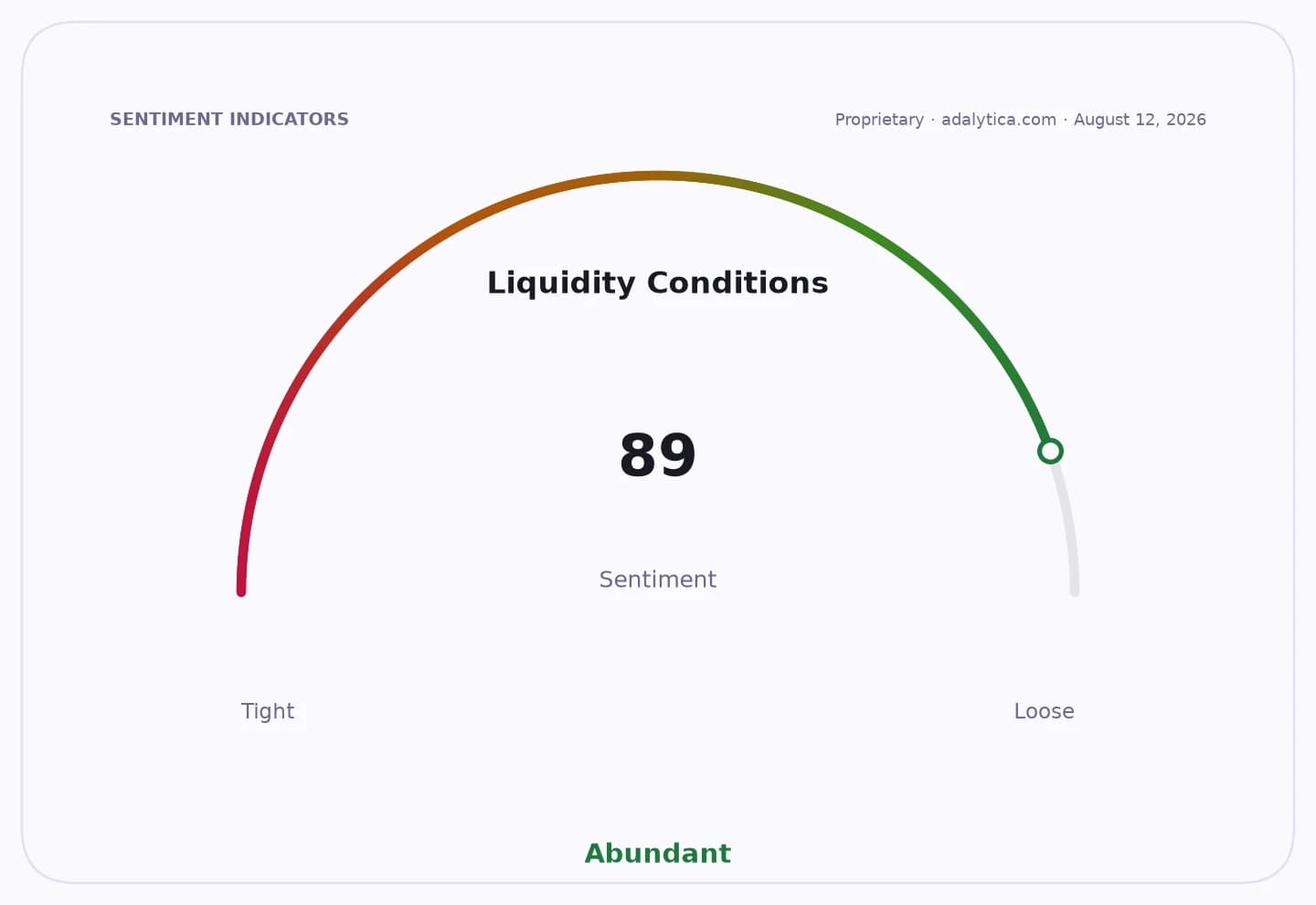
The Central Bank is moving to raise 115 billion pounds through treasury bills, underscoring a continued need to finance the government’s short-term cash requirements even as global rates remain elevated and local debt markets stay sensitive to liquidity conditions.
The auction matters because bill issuance is the government’s quickest funding tool: it plugs near-term budget and refinancing gaps without locking in long-term borrowing costs. But it also tightens domestic liquidity at a time when investors are already weighing higher global yields, volatile commodity prices and the cost of holding short-dated sovereign paper.
The backdrop remains unfavorable for risk appetite in fixed income. U.S. Treasury yields are still relatively high by recent standards, with the 10-year around 4.7% and the 2-year near 4.2%, keeping dollar funding expensive and limiting the room for emerging-market debt to rally. Treasury bond trade signals on the dollar and longer-dated U.S. government debt remain elevated, pointing to an environment where safe-haven flows and rate expectations are still driving cross-border capital.
For local investors, the key question is whether the bill sale can be absorbed without pushing up front-end yields further. A successful auction would help the government secure funding while maintaining confidence in the sovereign curve. A weak one would suggest that banks and money-market investors want more compensation to hold short paper, which could ripple into broader borrowing costs for the economy.
The timing also reinforces the policy trade-off facing the authorities: heavier issuance supports fiscal continuity, but it can crowd out private credit if banks absorb too much government paper. That tension matters for growth, especially if higher domestic rates eventually slow lending to businesses and households.
For investors, the auction is less about the size alone than about demand. Strong bidding would imply that liquidity remains adequate and that the market is comfortable with near-term sovereign supply. Weak coverage, by contrast, would fit a broader narrative of tighter financial conditions, making duration risk less attractive and keeping pressure on domestic bond prices.
The next test will be whether the bill sale prices cleanly or forces yields higher across the short end of the curve. That will shape sentiment toward local sovereign debt, bank liquidity and the government’s broader financing strategy over the coming weeks.
| Entity | Gains | Losses |
|---|---|---|
| Central Bank / government | ▲Near-term funding | ▼Higher interest burden |
| Banks and money-market investors | ▲Short-term yield pickup | ▼Liquidity strain |
| Borrowers in the economy | ▲None | ▼Higher funding costs |
| Bondholders / duration investors | ▲Potential carry in bills | ▼Price pressure from supply |