Central Bank Holds Rate at 4.5% in September

The Central Bank said keeping its benchmark rate at 4.5% was the “clearly dominant” option at its September meeting, underscoring that policymakers see inflation still moving toward target even as growth risks and Middle East tensions keep the outlook uncertain.
The minutes released Wednesday showed a unanimous decision by the council and confirmed that the hold decision was consistent with the bank’s latest policy report and already well priced by the market. For investors, that means the near-term bar for another rate move remains high unless inflation or activity deviate materially from the central bank’s baseline.
Policymakers also said the macroeconomic backdrop remains more uncertain than usual, with risks linked to the conflict in the Middle East intensifying recently. They warned that while their central case still assumes the local economy will regain momentum toward 2027, recent weakness could prove more persistent than expected.
That combination matters economically because it keeps the central bank in wait-and-see mode: inflation is still tracking as projected, the bank expects it to return to 3% in the second quarter of next year, and two-year inflation expectations remain anchored. At the same time, softer growth raises the risk that holding rates too high for too long could further delay a recovery.
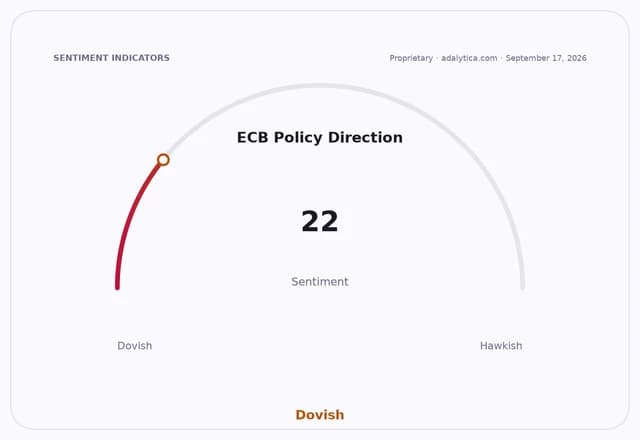
For markets, the minutes reinforce a broadly dovish hold rather than an immediate easing bias. Bond traders and currency investors are likely to focus on how quickly incoming data confirm the inflation path, while equity investors will watch for signs that slower domestic demand starts to outweigh the benefit of lower policy uncertainty.
The central bank said all council members agreed alternative scenarios still need to be monitored in case policy settings must be adjusted to secure inflation convergence. The next catalyst is whether upcoming activity and price data support the view that the economy can stay on course without another policy change.
| Entity | Gains | Losses |
|---|---|---|
| Borrowers | ▲Lower near-term rate risk | ▼No immediate relief from cuts |
| Savers | ▲Higher carry persists | ▼Distant prospect of lower yields |
| Inflation fighters | ▲Anchored expectations | ▼Persistent uncertainty |
| Growth-sensitive sectors | ▲Stability in policy | ▼Slower recovery risk |