Charlottesville tourism spending tops $1 billion

Visitor spending in Charlottesville and Albemarle County has crossed the $1 billion mark, a milestone that matters because tourism is no longer just a seasonal boost — it has become a meaningful pillar of the local economy.
That kind of spending ripples well beyond hotels and restaurants. It supports jobs, tax collections and small businesses that depend on a steady flow of out-of-town dollars. In a place like Charlottesville, where the visitor economy is tied to wine, sports, events, university traffic and weekend travel, the scale of that spending suggests a durable source of cash flow for the region rather than a one-off windfall.

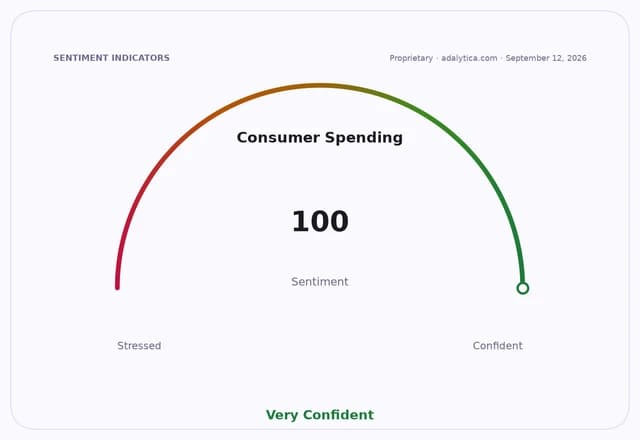
The broader backdrop is still favorable for travel, even if consumers remain selective elsewhere. Forecast data show monthly visitor spending in the area holding in the mid-$600 million range on an annualized basis, while the U.S. unemployment rate is expected to stay near 4%, a level that typically supports leisure travel without putting too much pressure on household budgets. For investors, that is important because travel demand often stays resilient when employment is steady and consumers continue to spend on experiences.
Publicly traded hotel operators are among the clearest beneficiaries of that pattern. Marriott, Hilton and Booking Holdings all trade as proxies for travel demand, and their shares have reflected just how uneven the market can be even when the long-term story remains intact. Booking, Hilton and Marriott have all seen sharp swings recently, with technical readings such as the 50-day moving average and RSI pointing to weaker short-term momentum in some cases. But the bigger picture for long-term investors is that travel and lodging businesses tend to compound when destinations keep attracting visitors year after year.
That is why this milestone matters for more than local bragging rights. Once a destination breaks through the $1 billion level in visitor spending, it becomes easier to justify further investment in hotels, restaurants, attractions and infrastructure. It also gives local leaders another reason to protect the experiences that draw visitors in the first place, from sports and cultural events to the region’s food and wine economy.
For investors, the takeaway is straightforward: sustained tourism spending is a real economic engine, and engines like that tend to reward patient owners over time. If Charlottesville and Albemarle County can keep growing their visitor base, the benefits should continue to show up in local businesses, commercial real estate and travel-linked stocks. Worth watching for the long haul.
| Entity | Gains | Losses |
|---|---|---|
| Charlottesville and Albemarle County | ▲Higher tax revenue | ▼More strain on local services |
| Hotels, restaurants, attractions | ▲More customer traffic | ▼Greater competition for labor |
| Travelers and visitors | ▲More amenities and options | ▼Potentially higher prices |
| Travel stocks like MAR, HLT, BKNG | ▲Stronger demand narrative | ▼Near-term volatility |