Cheniere Corpus Christi adopts BASF Durasorb LNG
BASF’s commissioning of its Durasorb LNG MAX technology at Cheniere Energy’s Corpus Christi terminal is a small headline with a big long-term message: the LNG industry is still finding ways to squeeze more supply out of existing plants without building entirely new ones.
That matters because the real bottleneck in LNG is no longer just getting gas out of the ground. It is making liquefaction trains run cleaner, longer and with fewer interruptions. BASF’s system is designed to strip out heavy hydrocarbons, BTEX compounds and water before gas reaches cryogenic conditions, reducing the risk of freeze-out and unplanned downtime. For operators, that translates into higher reliability, more flexibility in feed gas quality and, crucially, a way to expand output from an installed asset base.
For Cheniere, the largest U.S. LNG exporter, the project fits neatly into a broader debottlenecking push. The company said the technology is already operating on multiple mid-scale and large-scale liquefaction trains at Corpus Christi, with rollout across the remaining trains due by the end of 2027. That suggests this is not an isolated pilot but a meaningful commercial-scale adoption. In LNG, incremental gains in uptime and throughput can be worth far more than they look on paper, especially when terminals are already running close to capacity and long-term export contracts remain in demand.
For investors, the story is twofold. First, it reinforces Cheniere’s ability to grow organically rather than relying solely on greenfield megaprojects, which tend to be slower, riskier and more capital-intensive. Second, it gives BASF a valuable reference customer for a specialty adsorbents platform that could see broader use in LNG retrofits and new projects. That is the kind of industrial technology adoption that can compound over years, not quarters.
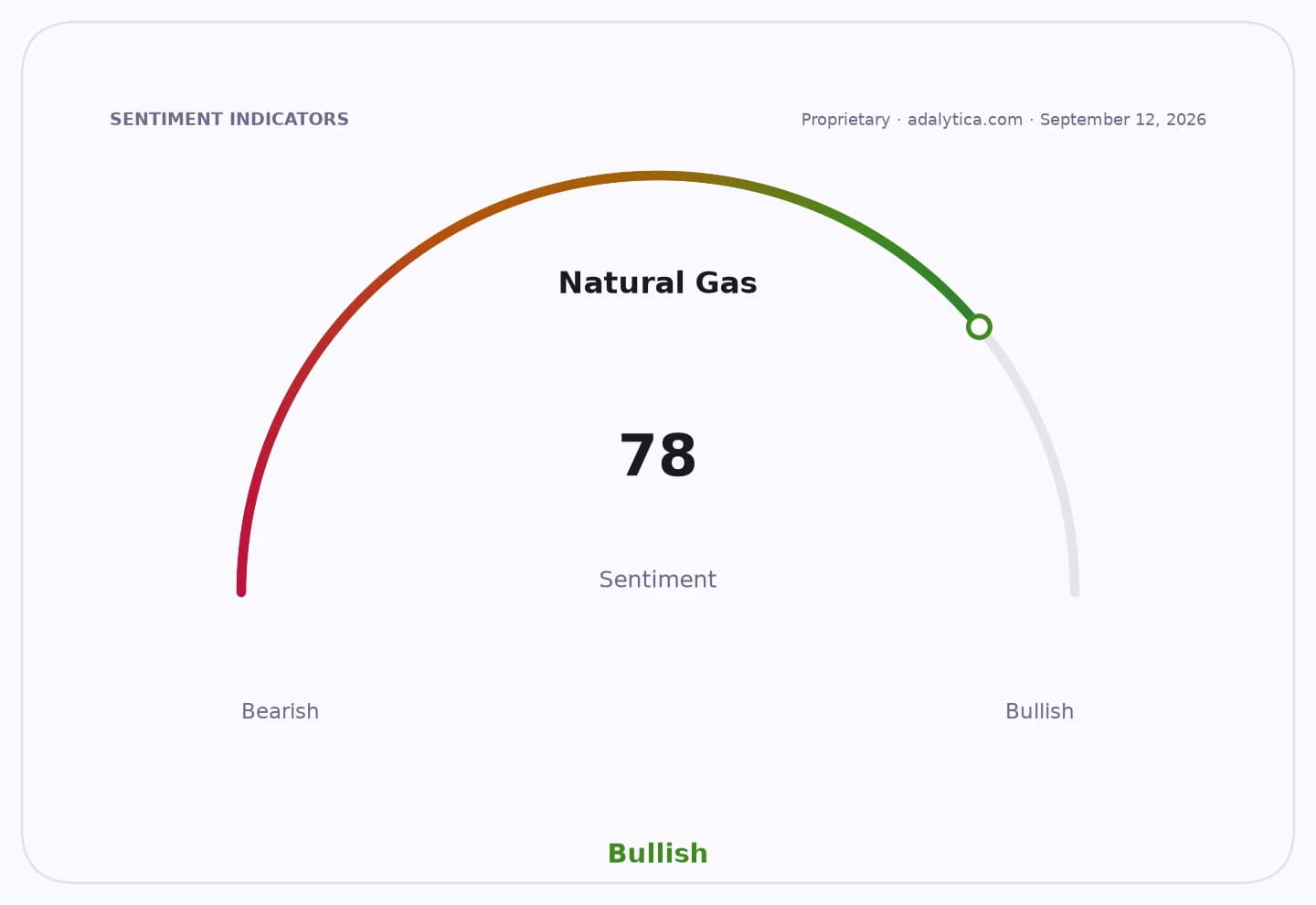
The bigger backdrop is still supportive. LNG remains central to global energy security, and despite occasional swings in natural gas and oil prices, demand for dependable export capacity has stayed resilient. The recent move in U.S. natural gas and oil prices underscores how volatile the energy landscape remains, but for infrastructure owners the real prize is efficiency: lower downtime, better utilization and more cash flow from assets already in the ground. On that score, Corpus Christi’s Durasorb deployment is exactly the sort of optimization that can quietly improve returns.
Long term, that is what makes this more interesting than a routine commissioning update. Cheniere gets a more flexible and reliable liquefaction platform. BASF gets proof that a niche chemical technology can scale inside a strategically important energy market. And investors get another reminder that in capital-intensive industries, the winners are often the companies that make old assets work harder, not just the ones that build the next big thing.
| Entity | Gains | Losses |
|---|---|---|
| Cheniere Energy | ▲Higher uptime and throughput | ▼Some implementation complexity |
| BASF | ▲Large-scale LNG reference project | ▼Risk of slower adoption elsewhere |
| LNG exporters | ▲More flexible processing | ▼Operators with older pretreatment systems |
| LNG buyers | ▲More reliable supply | ▼Less leverage from terminal bottlenecks |