Cheniere LNG Expansion and US Gas Trade
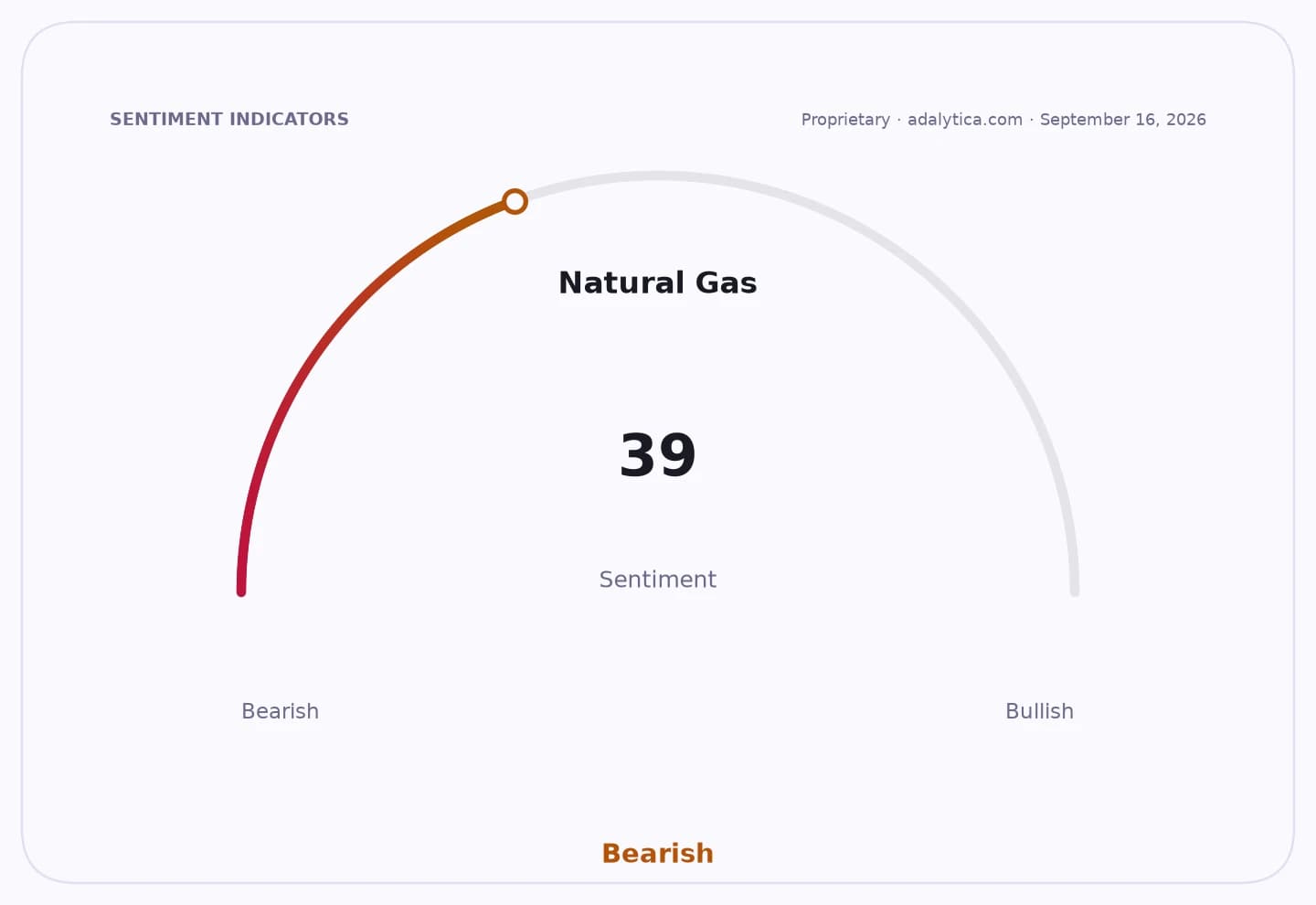
US LNG developers are moving so fast on new export capacity that one project is already discussing expansion just four months after construction began, underscoring how tight the global market remains for liquefied natural gas and how little room there is for rivals to catch up.
That matters because LNG is no longer just an energy story — it is a capital-allocation story. Once a project is sanctioned, the next race is not only to finish it, but to lock in the next wave of volumes, customers and debottlenecking opportunities before demand from Asia and Europe gets swallowed by the next supply gap.
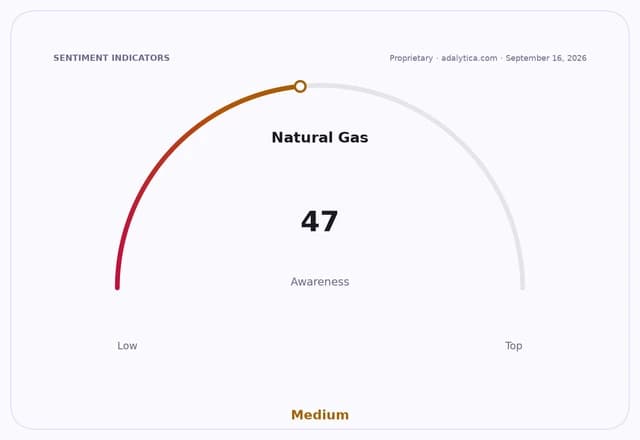
The macro backdrop still favors more buildout. Brent-linked fuel markets are not showing the kind of collapse that would scare off multiyear LNG spending, and benchmark US natural gas prices are sitting near $3.20 per million British thermal units, enough to keep feedgas economics workable without blowing out the cost structure. At the same time, the 10-year Treasury yield around 4.95% — and heading toward 5% — keeps the cost of capital high, which makes scale, long-term contracts and first-mover advantages even more valuable for the few names that can still finance giant projects.
For Cheniere, the market leader, that is precisely the edge. The company is already operating from a position of strength after logging more than 30 million tonnes per annum of expected production capacity, including over 6 mtpa under construction, and it has continued to land long-dated sales agreements, including a February deal with Taiwan’s CPC through 2050. When a developer can talk about expansion almost immediately after breaking ground, it tells you buyers are still more worried about securing supply than waiting for lower prices.
Investors should read that as a durable earnings setup for the LNG complex. Cheniere’s shares have already run hard, and the stock’s RSI has cooled from overbought territory to the mid-40s, while the price remains well above its 200-day moving average. That combination says the market is still digesting a powerful uptrend rather than pricing in a structural slowdown. The same is true, to a lesser extent, for other gas-linked names such as EQT and Range Resources, where natural gas leverage, not just commodity exposure, is becoming the trade.
The real second-order opportunity is in the infrastructure behind LNG, not just the exporters themselves. Every new train, export berth and contractual expansion feeds demand for upstream gas supply, pipeline transport, compression, steel, electrical equipment and marine services. In a world where geopolitics has pushed global stability sentiment to “extreme fear,” energy security is becoming a strategic procurement decision, not a discretionary one, and that keeps a floor under LNG investment even if broader growth cools.
My thesis is simple: the market still underestimates how quickly LNG capacity gets monetized once a project starts, and that favors the incumbents with scale, balance sheet access and customer relationships. If you want exposure, stay with the toll roads of the LNG value chain — Cheniere first, then high-quality gas producers such as EQT and Range as the supply chain continues to tighten.
| Entity | Gains | Losses |
|---|---|---|
| Cheniere/LNG developers | ▲Faster scale-up, more contracted volume | ▼Delayed projects, smaller rivals |
| US gas producers | ▲Higher takeaway demand | ▼Stranded molecules, weak basis |
| Asia buyers | ▲Supply security | ▼Spot price volatility |
| Short LNG trades | ▲Less scarcity premium | ▼Expansion cycle upside |