Chicago wheat at 650 cents on Black Sea risk
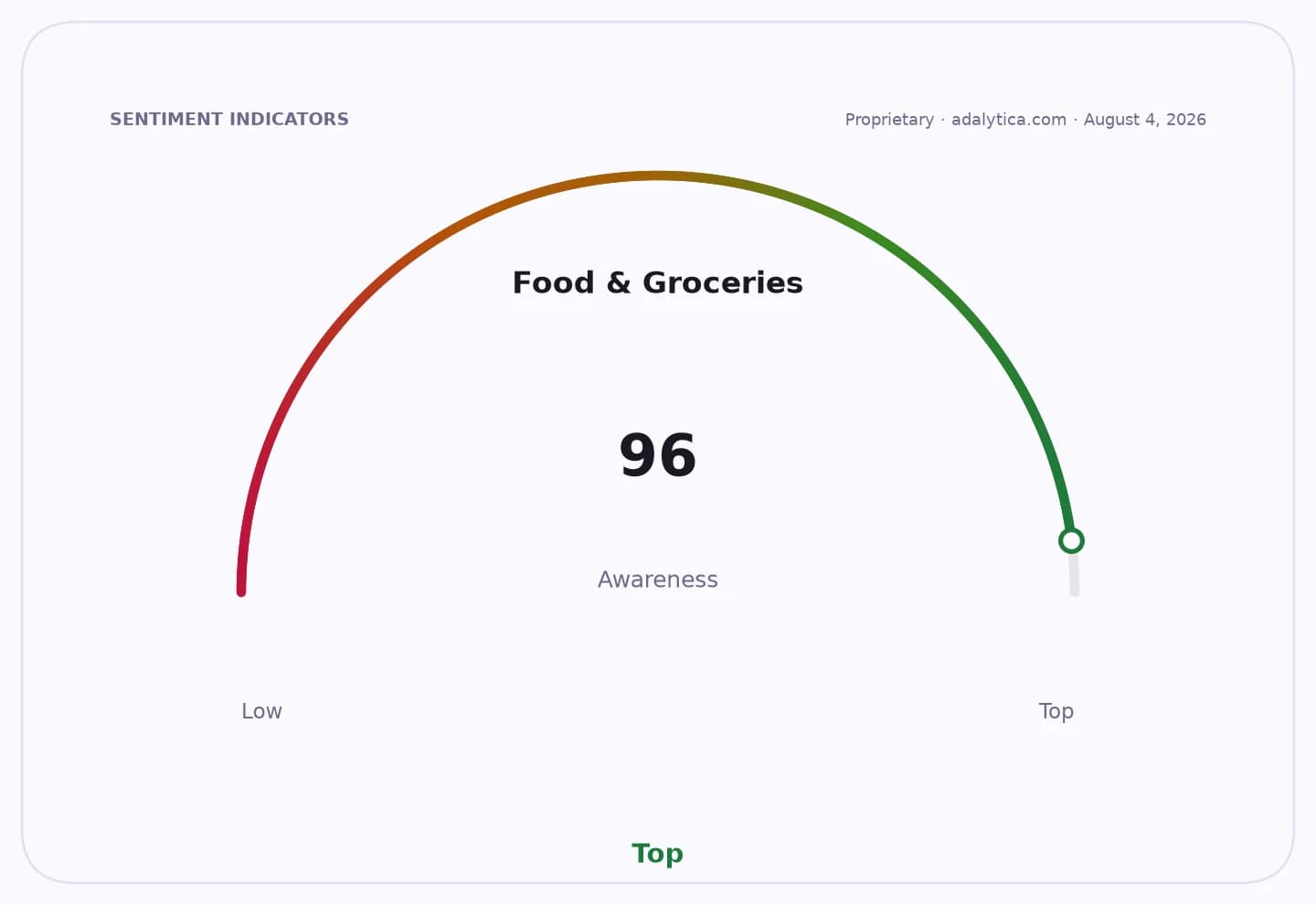
Chicago wheat slipped at the margin, but the market is still trading a geopolitical supply risk premium as concerns build around Black Sea shipments and governments move to protect food security. That combination matters because wheat is no longer being priced purely on crop conditions — it is increasingly being set by freight, policy and war risk, which keeps volatility elevated even when futures ease.
The benchmark Chicago wheat contract closed at 650 cents a bushel on Aug. 3, down from 705.75 cents on July 22, but still well above its 50-day moving average of 621.39 cents and its 200-day average of 574.37 cents. RSI readings cooled to 55.1 from overheated levels above 80 in late July, while the MACD has rolled over from its peak, showing the rally has lost momentum without breaking the larger uptrend. In other words, wheat has corrected, not cracked.
That matters for the real economy. Wheat is a core input for flour, bread and packaged foods, so even modest supply disruptions can ripple through food inflation, import bills and government subsidy programs. The National Assembly Standing Committee on Food Security and Research is preparing to raise wheat prices as it worries about disruptions to supply, particularly from the Black Sea. Officials are also weighing tighter import rules and trying to boost domestic output, a sign that policymakers expect the shock to persist rather than fade quickly.
The market message is already visible in the broader grain complex. The Teucrium wheat fund, WEAT, has held above its 50-day and 200-day moving averages even after a sharp retreat from a July peak near $26, while the broader grains fund CORN remains supported after bouncing from June lows. That tells you investors are still paying for embedded scarcity risk, not betting on a clean normalization.
Black Sea shipping remains the key swing factor. Any escalation that threatens Ukrainian or Russian export corridors would tighten world availability quickly, especially with buyers already sensitive to budget pressure and replacement costs. At the same time, lower oil prices are easing some freight and input pressure across commodities, which may cap the upside for now. But the bigger trade is that grain markets are becoming a geopolitical asset class again, and that tends to reward physical merchants, exporters and logistics operators before it shows up in end-consumer pricing.
For investors, the opportunity is in the second-order winners: grain merchandisers, export handlers and logistics-linked names that benefit from dislocation, not just price direction. The market underestimates how long food security policy can stay restrictive once supply chains are perceived as fragile. If Black Sea risk deepens, wheat may not need to explode to deliver gains — it only needs to stay tight while governments and buyers scramble for cover.
| Entity | Gains | Losses |
|---|---|---|
| Grain merchandisers | ▲Wider spreads, more volumes | ▼Inventory risk |
| Importing governments | ▲Domestic supply bargaining power | ▼Higher fiscal costs |
| Food processors | ▲Short-term hedging window | ▼Margin pressure |
| Wheat consumers | ▲Temporary relief from lower futures | ▼Persistent price risk |