Chicken prices raise food inflation pressure
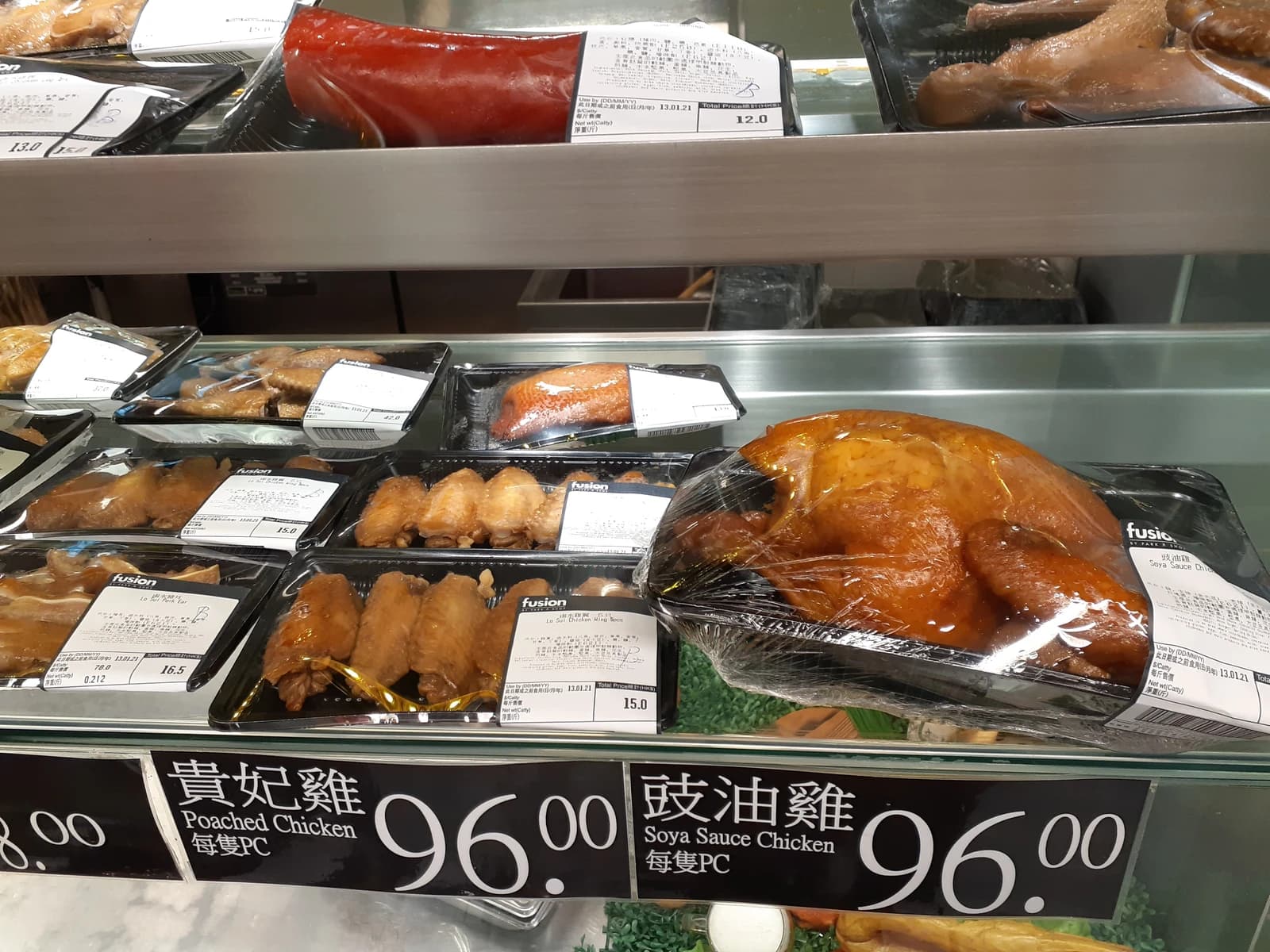
Chicken prices are becoming the next pressure point in food inflation as consumers face record-high poultry costs in some markets and the supply outlook worsens.
That matters because chicken is one of the last proteins households can usually trade down to when beef, pork or processed foods get expensive. If chicken itself starts moving sharply higher, the inflation impulse spreads deeper into grocery baskets, quick-service menus and restaurant margins, leaving less room for consumers to absorb shocks through substitution.
The broader inflation backdrop is not helping. U.S. consumer prices are still running above pre-pandemic norms, with the CPI forecast pointing to another monthly gain, while producer prices are also expected to rise again. That combination suggests food makers and retailers remain stuck in a cost environment where feed, energy, transport and labor are still feeding through the system. In other words, chicken is not rising in isolation — it is rising inside a sticky inflation regime.
The most immediate driver is supply. News reports point to record or near-record chicken prices in markets from Japan to Egypt, where import costs, feed inflation and weak currencies are squeezing household budgets. In Australia, bird flu risk is adding a fresh supply overhang just as the $8 billion poultry sector was already navigating tight conditions. When disease risk meets higher input costs, the market does what it always does: prices adjust faster than volumes.
For investors, the setup is a classic margin and pricing-power test. Tyson Foods has already been trading with elevated volatility, and recent technical readings show the stock still below its 200-day moving average, even after a rebound from June lows. That suggests the market is not yet fully pricing in a sustained poultry upside. If chicken prices hold, processors with integrated supply chains and strong branded distribution can see better revenue realization, even if feed costs remain a drag. But grocers, restaurant chains and casual dining names face the other side of the trade: less room to discount and more risk of menu inflation hitting traffic.
Conagra Brands is another name to watch, not because it is a pure chicken play, but because its filing shows how exposed packaged-food companies remain to commodity costs, supply-chain disruptions and price-sensitive consumers. That is exactly the kind of environment where input inflation can show up first in gross margin pressure and only later in pricing actions.
The market underestimates how quickly protein inflation can become a second-round story. Once chicken turns from a substitute to a source of inflation itself, it feeds into restaurant pricing, packaged meals and household expectations — and that can keep food inflation sticky even if headline CPI cools elsewhere.
My view: this is where investors should stay selective. I would favor integrated protein suppliers and pricing-power consumer staples over restaurant-heavy and value-menu exposures. If chicken prices keep climbing into the next CPI prints, the winners will be the companies that own supply, while the losers will be the businesses forced to eat higher input costs or pass them on to already-stretched consumers.
| Entity | Gains | Losses |
|---|---|---|
| Tyson Foods | ▲Higher poultry pricing | ▼Feed and processing cost pressure |
| Conagra Brands | ▲Pricing power on staples | ▼Commodity margin squeeze |
| Restaurants | ▲None | ▼Menu cost inflation |
| Consumers | ▲None | ▼Higher grocery bills |