Chicken Prices Rise as Inflation Risk Builds
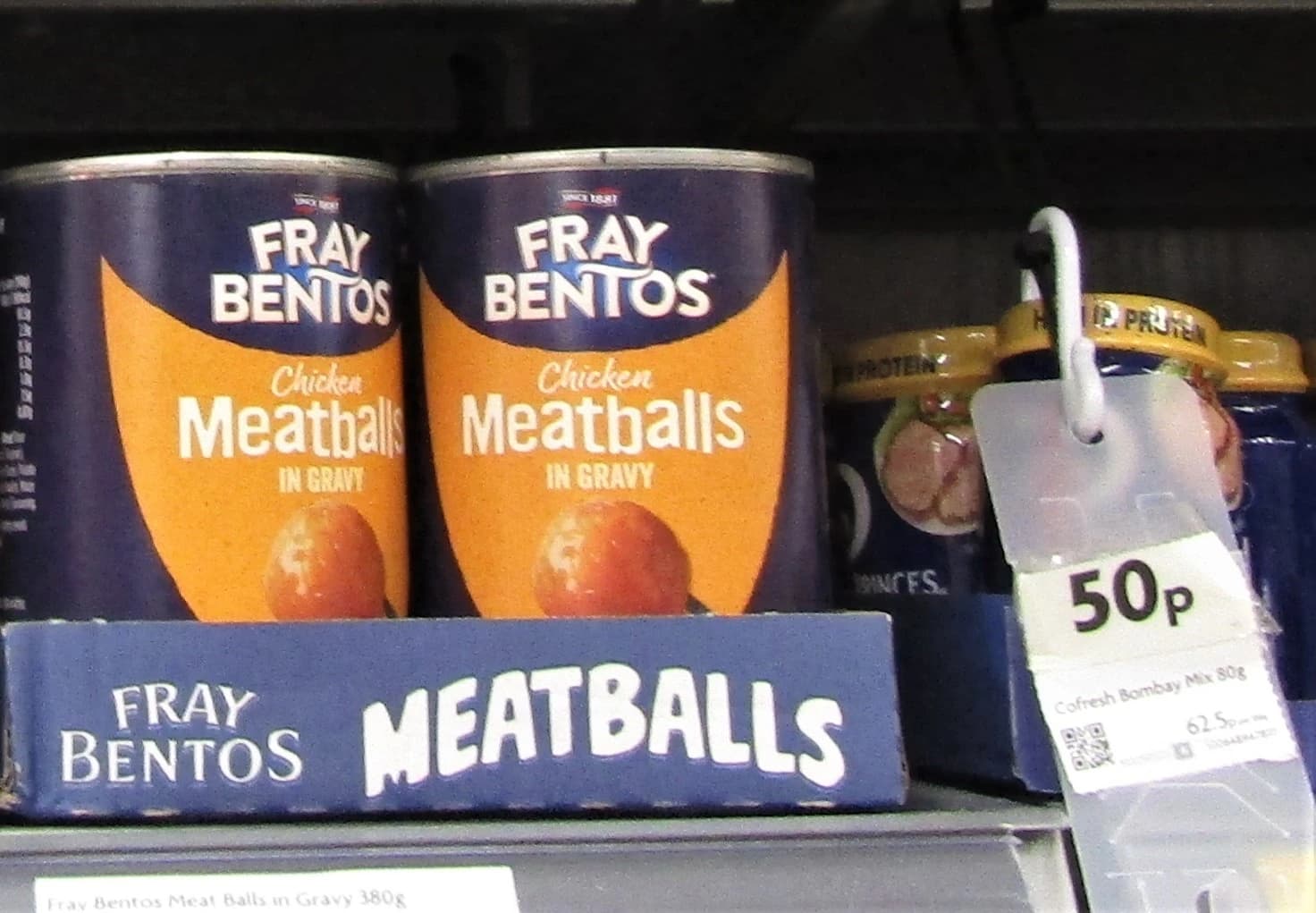
Chicken meat prices are climbing in multiple markets, and economists say the increase has the potential to feed into consumer inflation just as households are already paying more for other staples.
The move matters because poultry is one of the cheapest widely consumed proteins, making it a sensitive input in food budgets and a visible gauge of household inflation pressure. When chicken prices rise, the effect can spill into the broader consumer price basket through restaurants, supermarkets and processed foods, especially if feed, disease and supply disruptions keep production costs elevated.
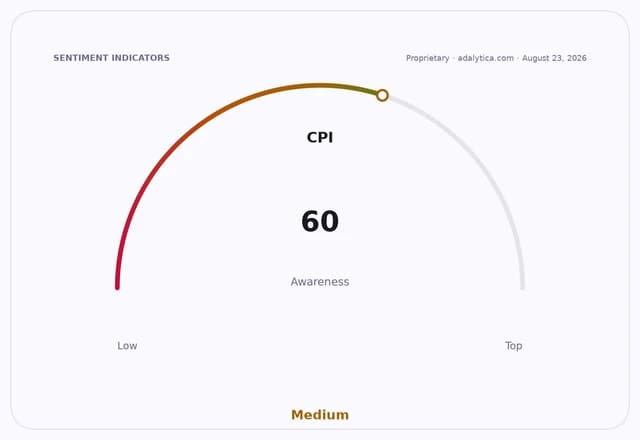
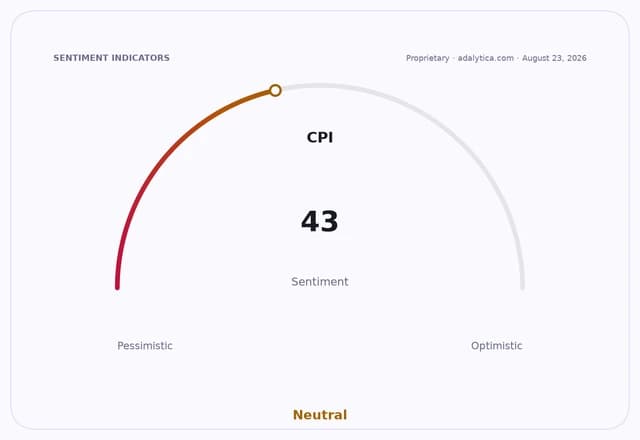
That risk is already showing up in inflation expectations. The U.S. consumer price index is forecast to rise 0.35% in August after a 0.07% increase in July, according to the data context, while confidence in the Federal Reserve’s 2% inflation target remains mixed. Adalytica’s CPI sentiment snapshot shows a neutral reading of 43, down 4 points on the day and 51 points over the past week, suggesting investors and consumers are still sensitive to any new food-price shock.
Industry cost pressures are part of the backdrop. The news context points to higher poultry expenses, including a reported $130 million hit tied to bird flu risks at Inghams, alongside tighter supply conditions and higher cereal prices linked to the war in Ukraine, which lifts feed costs. Even where some local prices ease, the broader trend remains upward, with chicken reaching as high as IDR 42,000 per kilogram in parts of Indonesia.
For investors, the inflation angle matters as much as the commodity move itself. Persistent food-price gains can keep the Fed cautious, support defensive consumer-staples names, and pressure discretionary spending. It also creates a split across the poultry sector: producers with pricing power can benefit, while buyers and downstream food companies face margin compression.
Tyson Foods shares were last at $58.48, close to the 200-day moving average of $59.79 and below its 50-day average of $57.93, while Cal-Maine Foods was trading at $82.80, above both its 50-day and 200-day averages. Pilgrim’s Pride closed at $32.25, well above its 200-day average of $34.81 but still below recent highs, reflecting investor interest in poultry pricing but also the volatility tied to supply shocks.
The near-term focus is whether August CPI and food-cost data confirm that chicken is becoming a larger inflation contributor. If poultry prices stay elevated into the next readings, it would strengthen the case for sticky food inflation and keep pressure on both consumer wallets and Fed policy expectations.
| Entity | Gains | Losses |
|---|---|---|
| Poultry producers | ▲Higher selling prices | ▼Higher feed and disease costs |
| Consumers | ▲— | ▼Bigger grocery bills |
| Tyson Foods / TSN shareholders | ▲Pricing power potential | ▼Margin pressure if costs rise |
| Fed / inflation fighters | ▲— | ▼Harder path to 2% target |