Chile cuts 2026 growth forecast as demand weakens
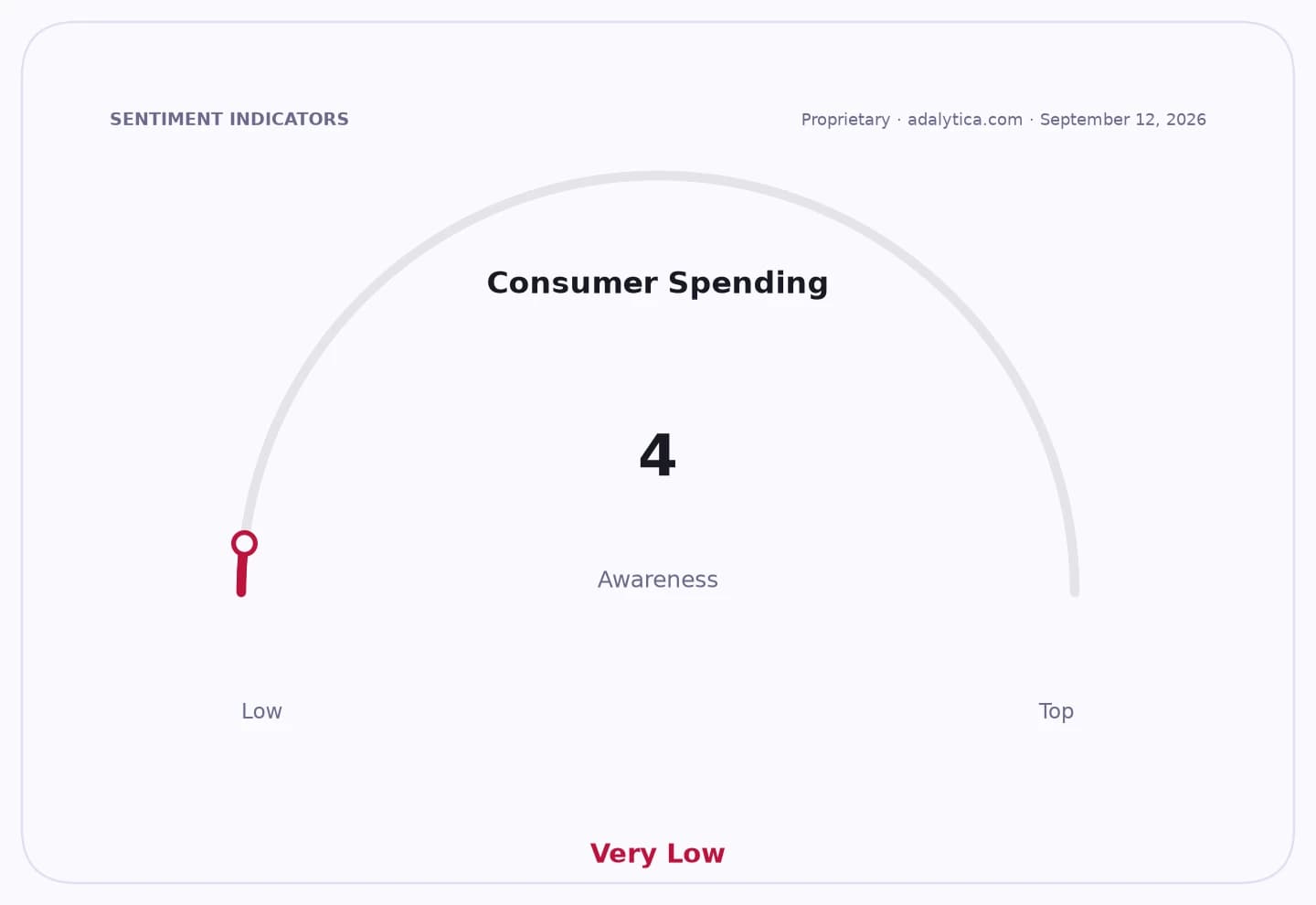
Chile’s economy is slowing more sharply than expected because households are pulling back, turning what had been mainly an offer-side problem into a broader demand shock.
The central bank cut its 2026 growth forecast to 0.25%-0.75% from 1%-1.75% three months earlier and said second-quarter domestic demand lost momentum as confidence weakened, the labor market deteriorated and households lost purchasing power. For investors, that matters because consumption has been one of the last supports for activity; as it cools, the recovery becomes more dependent on investment, reconstruction spending and policy transmission.
Banco Central President Rosanna Costa said consumers and firms adopted “a greater caution” amid weaker confidence, eroding real incomes and uncertainty tied to Middle East tensions and higher fuel prices. Consumer credit was still growing, but only 1% in real terms in the year to July, while new consumer loans carried an average rate of 26% a year, suggesting borrowing remains expensive even as credit demand softens.
The broader message is that Chile’s slowdown is no longer explained only by mining and weather-related disruptions. The central bank trimmed its 2026 private consumption forecast to 1.5% from 1.8%, while economists said the labor market is now acting as a ceiling on spending. Priscila Robledo of Fintual said the September inflation report acknowledged weakness in consumption, investment, confidence and employment, not just supply shocks.
Retailers are seeing the shift in real time. Bernardita Silva of the National Chamber of Commerce said shoppers are more selective, price-sensitive and promotion-driven, delaying big-ticket purchases and prioritizing essentials. That fits the data showing services still expanding faster than goods, a sign households are reallocating spending rather than spending more overall.
The labor market is the key risk to the outlook. Costa said the perceived probability of losing a job has risen, and Andrés Pérez of Itaú said a sustained consumption recovery will require not only better employment but also stronger real wages, lower inflation and easier credit. Ignacio Mieres of XTB said the latest central bank assessment showed spending weakness has become more transversal, while companies are also delaying investment and hiring.
That feedback loop matters for markets because weaker domestic demand can pressure corporate earnings in retail, consumer finance, housing and discretionary spending, even if lower inflation eventually gives the central bank room to ease. Chile is not facing a consumption collapse, but a hesitant recovery that is advancing with the brakes on.
| Entity | Gains | Losses |
|---|---|---|
| Savers/low-leverage households | ▲lower inflation later | ▼weaker income growth |
| Consumer lenders | ▲sticky loan yields | ▼slower credit demand |
| Retailers and consumer firms | ▲value-led traffic | ▼big-ticket sales |
| Chile’s central bank | ▲easier disinflation path | ▼weaker growth outlook |