Chile’s housing emergency, sharpened by earthquake damage, is forcing lawmakers to confront a problem the market has underpriced: how to unlock new supply fast enough to stop shelter costs, rebuilding delays and construction bottlenecks from feeding a longer-lived affordability crisis.
Chile Housing Reforms Favor Builders
On July 14, the National Congress will debate two real estate reforms aimed at easing that pressure, a sign that policymakers are moving from emergency rhetoric to supply-side intervention. That matters because in a country exposed to seismic risk, the ability to convert damaged stock, speed permitting and reuse urban land is not just a housing issue — it is an infrastructure and economic resilience issue.

The economic significance is straightforward. When a housing emergency collides with disaster recovery, delays in approvals and redevelopment can keep families displaced, push up rents and clog capital into stalled projects instead of productive construction. Any reform that reduces friction for rebuilding or conversion can improve the pipeline for developers, municipalities and lenders, while also easing pressure on the broader cost of living.
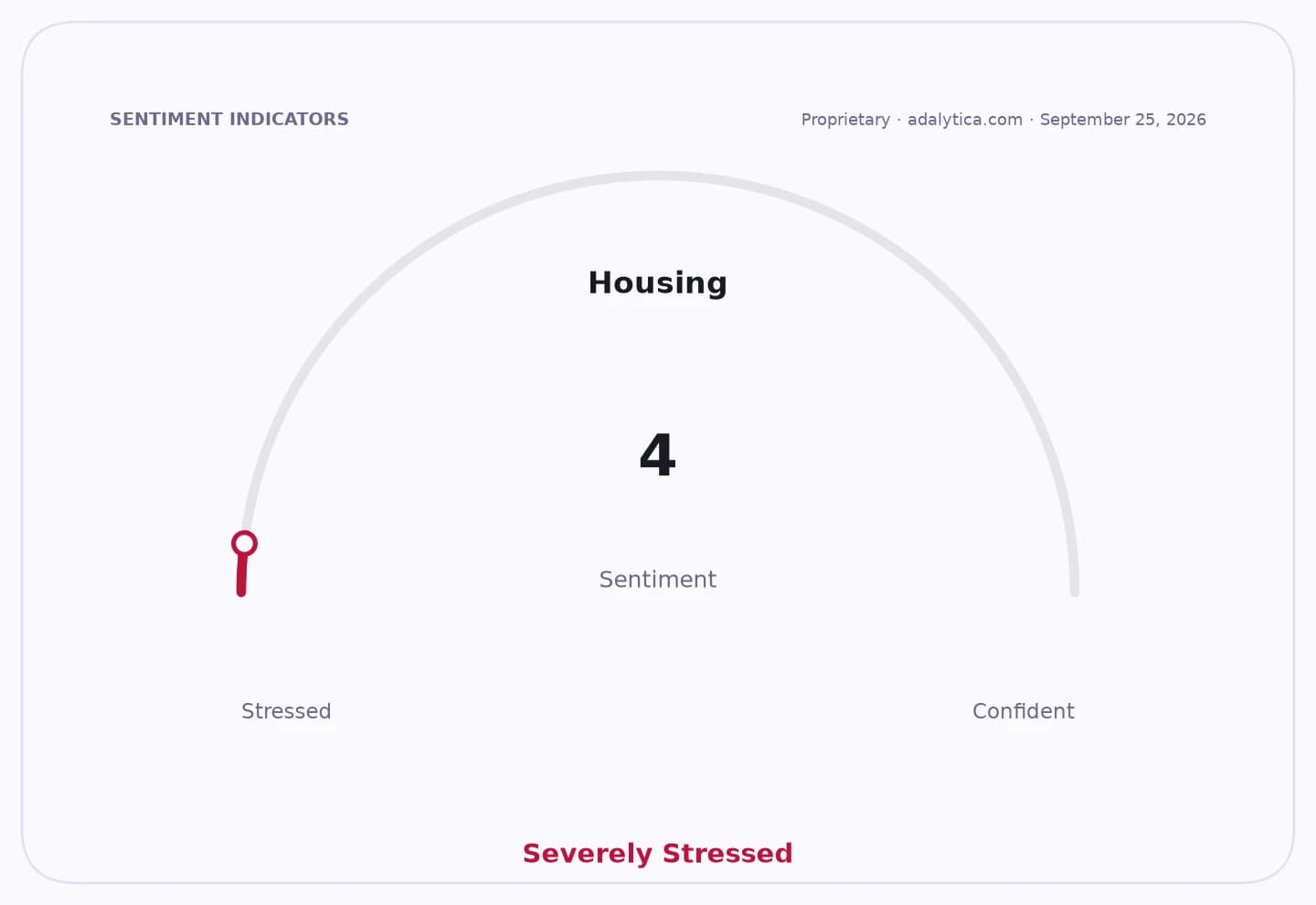
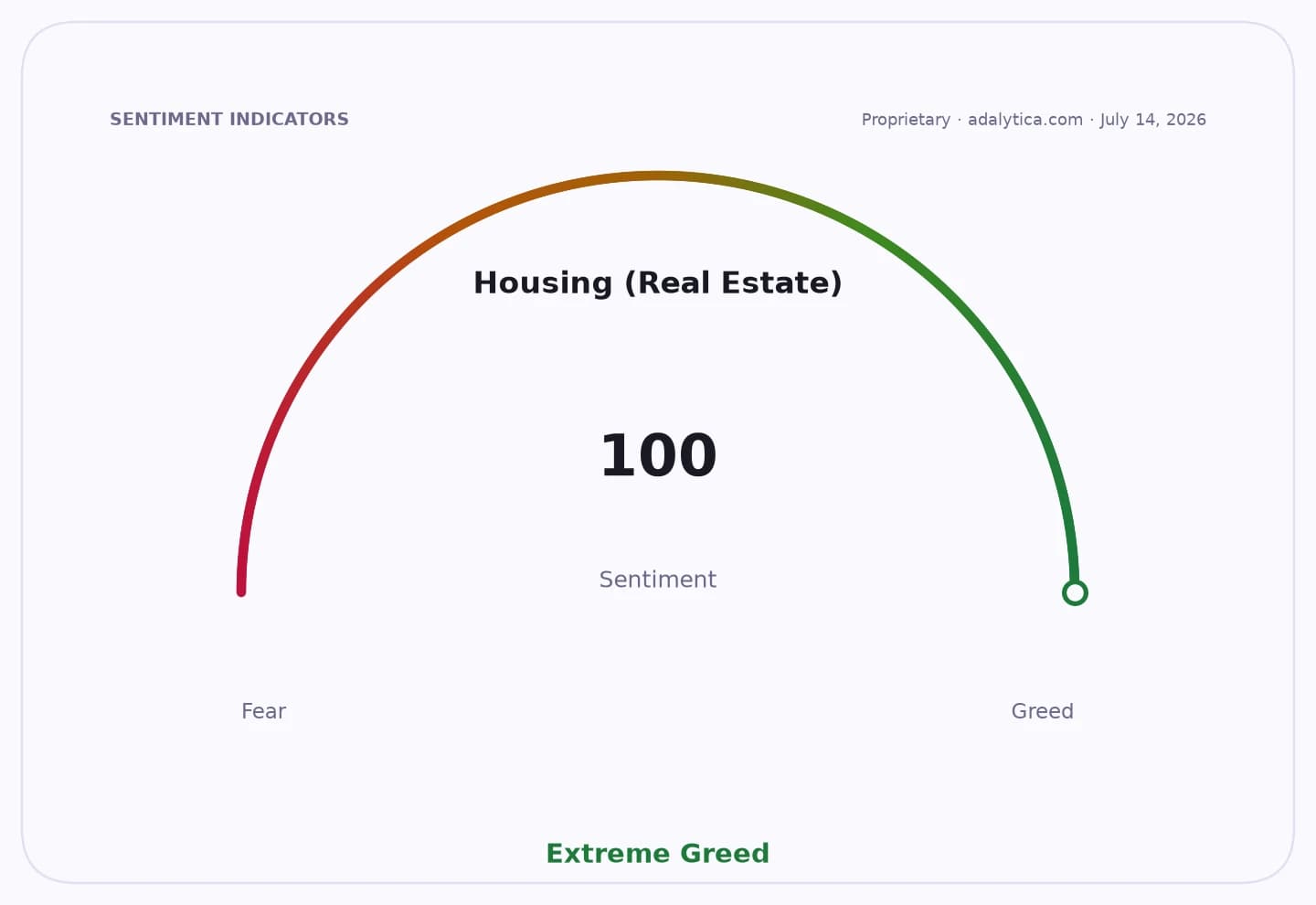
For investors, the message is that housing policy is becoming a catalyst, not just a background variable. The market’s recent strength in U.S. homebuilders, reflected in the Home Construction ETF XHB, shows how quickly investors can reprice when supply constraints and policy support start to converge. XHB has climbed to 108.16, with its proprietary Adalytica Housing Fear & Greed Index at 100, or Extreme Greed, underscoring how aggressively traders are leaning into the housing trade. Standard technicals also show the ETF back above its 50-day moving average, suggesting momentum has reasserted itself even after a sharp spring pullback.
The same thesis applies more broadly: when governments are forced to act on housing shortages, the winners are the builders, materials suppliers and land-efficient developers that can translate policy into volume. That is why names such as D.R. Horton, Lennar and other homebuilding-linked stocks remain the most direct beneficiaries of a regime that prioritizes faster approvals and more flexible land use. The losers are the incumbents that rely on scarcer supply, longer timelines and regulatory bottlenecks to support pricing.
There is also a second-order effect the market underestimates. Earthquake damage tends to accelerate adoption of newer building standards, denser planning and adaptive reuse, which can favor firms with balance-sheet strength, permitting expertise and scale. The recent New York office-to-housing scare showed how difficult conversion can be in practice, but it also reinforced the same conclusion: regulators are being pushed to streamline the process, not abandon it. That is exactly the kind of policy shift that creates asymmetric upside for the companies best positioned to execute.
If Congress moves quickly and the reforms improve the economics of rebuilding and conversion, the housing trade could broaden from a tactical bounce into a multi-year capex cycle. In our view, this is the moment to stay positioned in the picks-and-shovels of shelter demand rather than wait for the data to prove the shortage is real.
| Entity | Gains | Losses |
|---|---|---|
| Builders | ▲Faster approvals, more starts | ▼Permitting bottlenecks |
| Materials suppliers | ▲Higher project volumes | ▼Stalled construction demand |
| Homebuyers/renters | ▲More supply over time | ▼Shortage-driven prices |
| Land-constrained incumbents | ▲Policy tailwind | ▼Scarcity premium |