Chile MK4 reform targets mortgages and capital markets
Chile is moving to create a state-backed mortgage fund, a junior stock-market segment for early-stage firms and a sweeping set of capital-market changes designed to lower borrowing costs, deepen liquidity and pull in foreign money.
The 30-measure package, known as MK4, matters because it targets two of the economy’s biggest bottlenecks at once: housing finance and access to capital. By letting BancoEstado administer a fund that can receive up to $2 billion in public money to buy mortgage loans from banks, the government is effectively trying to free up bank balance sheets so lenders can issue more home loans at better rates.
That housing push is paired with a new voluntary savings vehicle for first-time buyers. Under the plan, households that save for at least 30 months and reach 7% of a home’s value would get an additional 3% from the state, helping them cover the 10% down payment typically needed for a mortgage. For a market where affordability has been stretched by higher financing costs, that could support demand for first homes and steady mortgage origination volumes.
Investors will also focus on the market-structure changes. The proposal would simplify listings, extend the maximum term for some promissory notes to five years from three, allow open companies to buy back and hold up to 15% of their own shares from 5% now, and create a formal squeeze-out rule for majority owners. It would also allow companies to issue multiple-vote shares, a move likely to appeal to founders who want to raise equity without surrendering control.
For smaller companies, the most important change may be the new junior exchange segment. Innovation firms and early-stage mining explorers would be able to raise capital under a lighter regime, with a sponsor and tax incentives for investors, including a credit equal to 35% of the investment up to 50 UTA. The package also opens the door for “mini-bonds” and reinvestment between mutual funds and public investment funds without immediate tax friction, all aimed at keeping domestic savings circulating in local assets.
The reform also tries to make Chile more competitive for global capital. It would exempt certain financial services exported from Chile from VAT, simplify tax registration for foreign investors, extend stamp-duty exemptions to overseas money, and relax rules on foreign securities trading. That could matter for banks, asset managers and brokers if the changes reduce the tax and administrative drag that has made Chile less attractive than regional peers.
There is also a credit-market angle. The bill would rework the capital buffer for systemic banks so it can be used as a true loss-absorbing cushion without automatically triggering a regulatory breach, and it would allow pension funds to enter temporary repurchase transactions to obtain liquidity without permanently selling assets. Those shifts could help keep credit flowing if market conditions tighten.
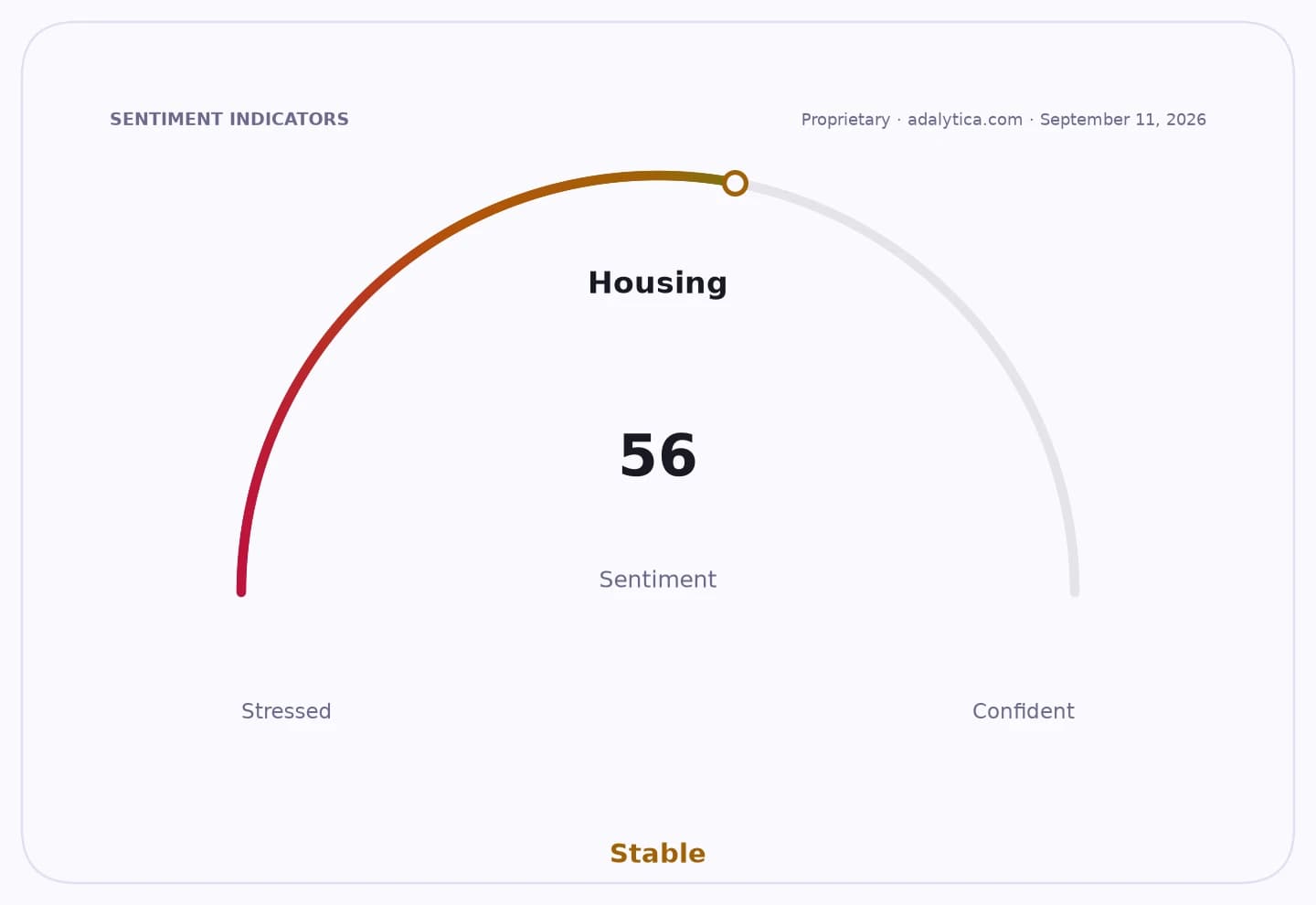
The package lands at a time when housing and market sentiment remain fragile. Adalytica’s housing and rent inflation snapshot shows neutral sentiment, while its S&P 500 trade signal sits at “Extreme Fear,” underscoring a risk-off backdrop that makes any policy aimed at unlocking liquidity and investment more relevant to markets. The next hurdle is legislative approval and the detail of implementation, which will determine how quickly the mortgage fund, junior market and tax changes can translate into actual lending and listings.
| Entity | Gains | Losses |
|---|---|---|
| BancoEstado | ▲New mortgage-fund mandate | ▼Less room for private lenders |
| Banks | ▲Freer balance sheets, more lending capacity | ▼Fewer mortgage assets held |
| First-time homebuyers | ▲Lower down-payment hurdle | ▼More policy dependence |
| Small firms and startups | ▲Easier market access, tax perks | ▼Higher disclosure burden for sponsors |
| Foreign investors | ▲Lower tax and admin barriers | ▼Fewer local protection frictions |