Chile Pension Funds Gain Repo Access
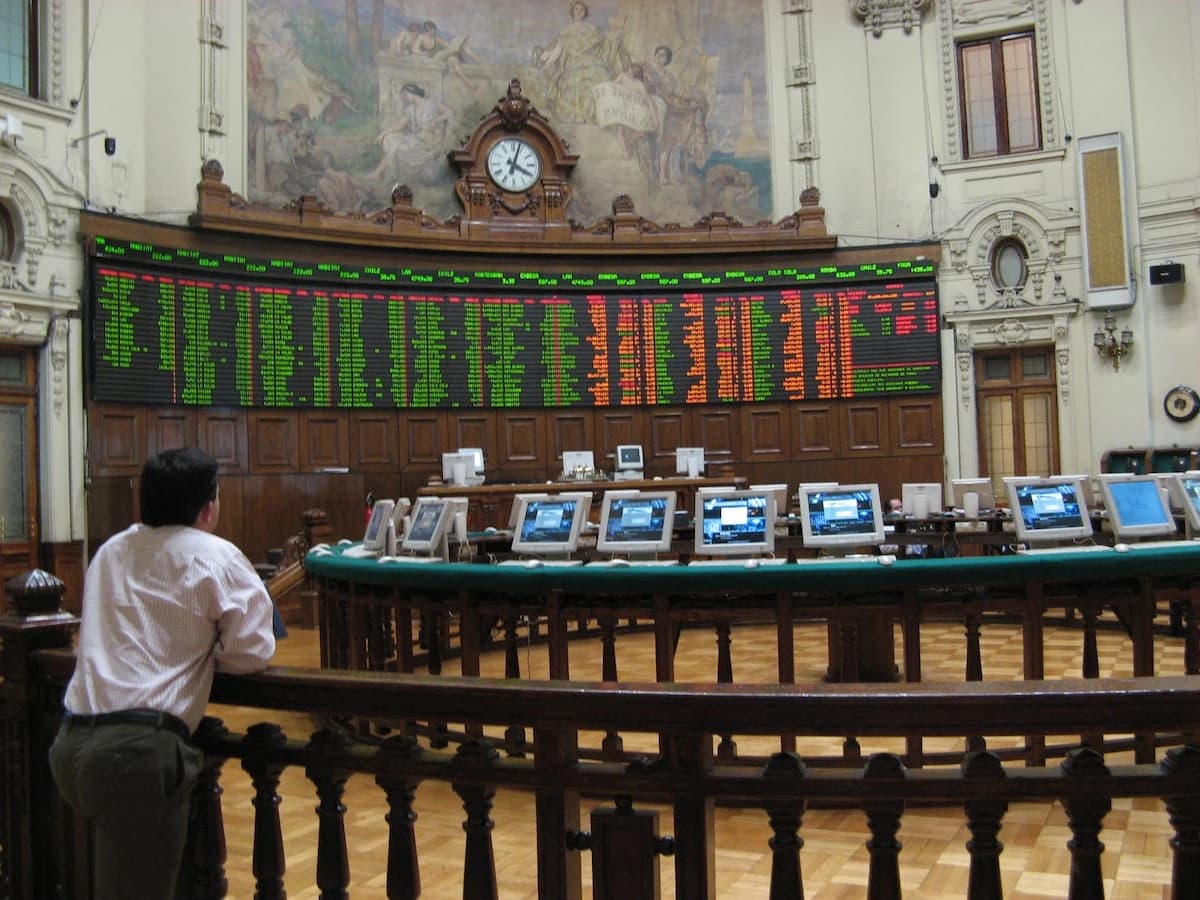
Chile is widening access for its pension funds to the repo market in a bid to revive trading in one of Latin America’s biggest but least liquid debt markets, a move that could lower borrowing costs and improve price discovery across sovereign and corporate bonds.
The change, announced as part of a 30-measure package to deepen capital markets, marks a structural shift in how the country’s dominant institutional investors manage cash and liquidity. For years, Chile’s private pension funds have been buy-and-hold holders of government and corporate debt, helping build a large fixed-income market while also draining it of turnover. That has left bid-ask spreads wider than in regional peers and trading volumes thin relative to the roughly $110 billion of sovereign debt outstanding.
Allowing AFPs to lend bonds in repurchase agreements and place cash in reverse repos gives them a new way to earn returns on idle liquidity without moving into equities. It also creates a new funding channel for banks, money-market funds and short sellers that need high-quality collateral, which should make more bonds available for trading. Marco Gallardo, deputy fixed-income head at Bice Inversiones, said the proposal should deepen the secondary market, improve pricing and reduce liquidity premiums, though the effect would likely be gradual.
The policy matters because Chile has long been viewed as one of the last relative safe havens in Latin American debt. Its bond market is large by regional standards, but activity is concentrated in a handful of issues: nine bonds account for 80% of this year’s trading volume, while 11 instruments have not traded at all, according to a Treasury market-maker proposal. Daily turnover has averaged about $270 million this year, a fraction of the outstanding stock, underscoring how much of the market remains locked in passive hands.
Lower liquidity premiums would matter directly for the sovereign’s funding costs and, by extension, for corporate issuers that price off government debt. Chile’s central bank has already said the 10-year government bond bid-ask spread is wider than in a 33-country comparison set and worse than those of Mexico, Brazil and Colombia. The bank also said fixed-income managers traded sovereign securities just 3.2 times a year on average from 2020 to 2024, down from 7.6 times between 2008 and 2019, a collapse in turnover that has hurt market efficiency.
The government’s market-maker program and the central bank’s push for clearer legal treatment of repo collateral and default netting show policymakers are attacking the problem from several angles. The IMF has also identified Chile’s underdeveloped repo market as a brake on liquidity and has argued that greater pension-fund participation could help deepen it.
For investors, the near-term read-through is not a sudden repricing but a slow improvement in market plumbing. Sovereign bond holders could benefit from tighter spreads and better execution, while banks and active traders gain a more robust collateral market. The longer-run bull case is a lower cost of capital and a more resilient fixed-income market. The bear case is that structural habits among pension funds change slowly, limiting the impact unless regulators and market makers keep pushing.
| Entity | Gains | Losses |
|---|---|---|
| Chile government | ▲Lower funding costs | ▼Existing liquidity premium |
| Pension funds (AFPs) | ▲Better cash returns | ▼Less passive simplicity |
| Active traders/banks | ▲More collateral supply | ▼Wider-spread advantage |
| Bond issuers | ▲Tighter pricing | ▼Less market fragmentation |