Chile peso trades near 913 per dollar on Aug. 14
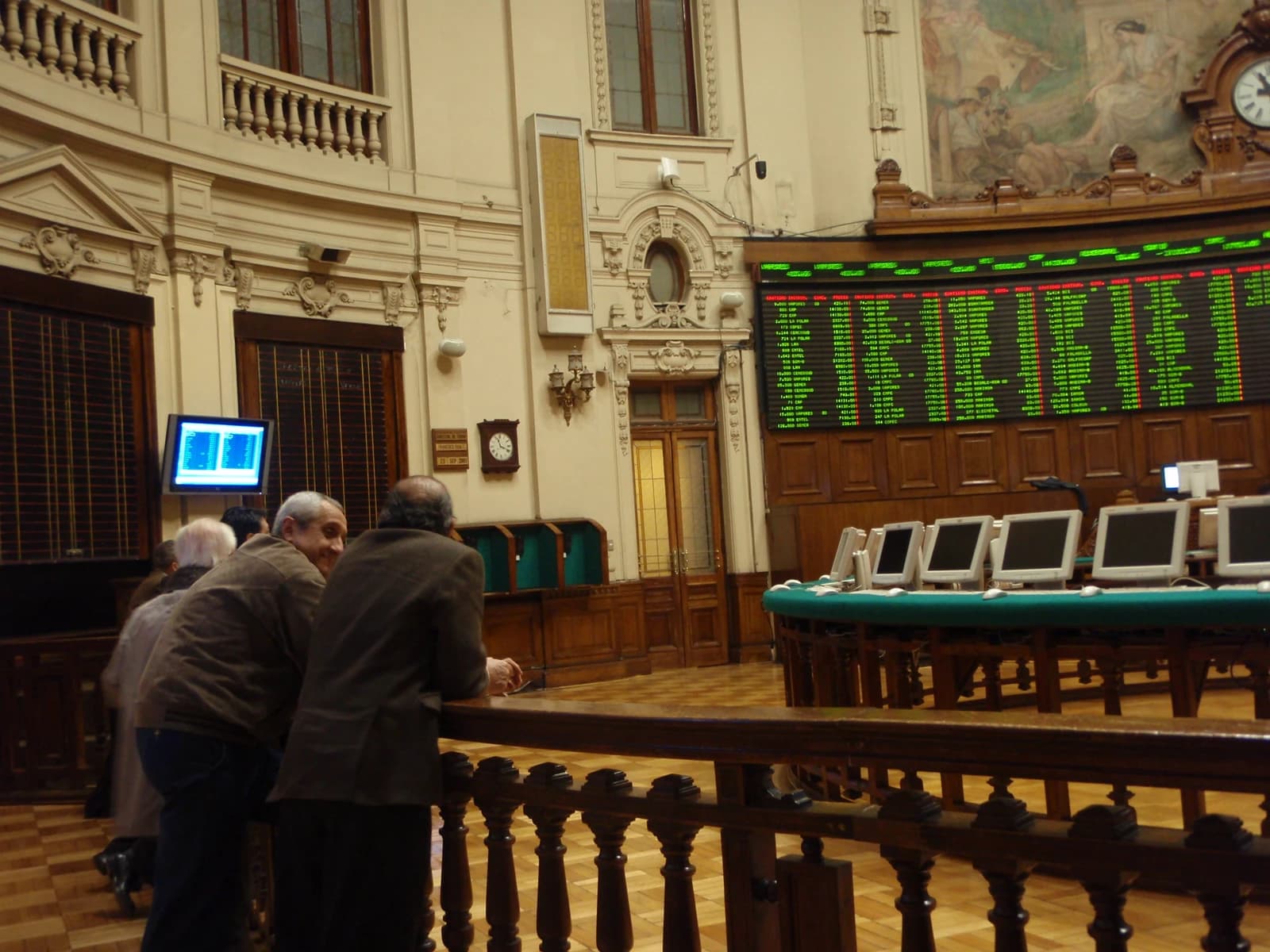
The Chilean peso is trading around 912.65 per dollar on August 14, while the Argentine peso remains far weaker at about 3112.75 per dollar, underscoring how Latin America’s currencies are still being driven by different inflation, growth and policy paths.
For Chile, the key market move is less about a dramatic one-day swing than about whether the peso can stabilize after losing ground this week. The dollar is trading above 900 pesos in Santiago, a level that keeps imported goods, fuel and external financing costs elevated for Chilean households and companies.
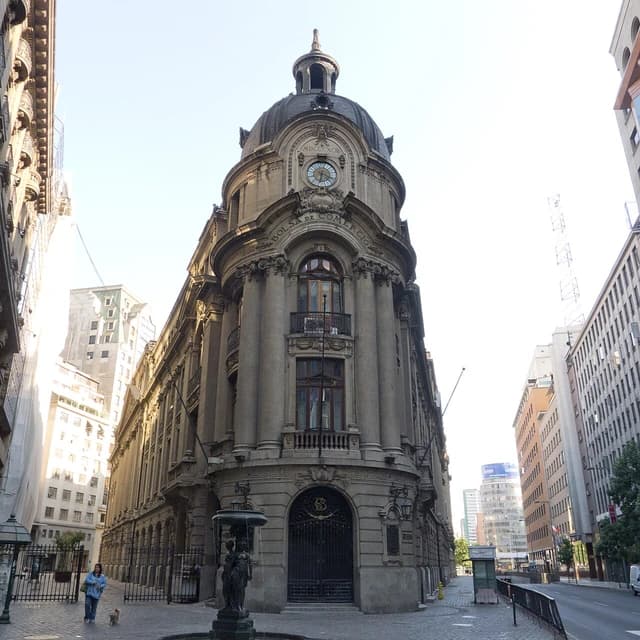
Against the Argentine peso, the gap remains stark: one U.S. dollar buys more than three times as many Argentine pesos as Chilean pesos. That spread reflects Argentina’s still-distressed currency regime and helps explain why cross-border pricing, tourism and trade terms between the two neighbors remain highly uneven.
Technical indicators point to a softer tone for the Chilean currency. USD/CLP is trading below its 50-day moving average of 919.92 but above the 200-day average of 904.22, while RSI readings at 15.0 suggest the move has become heavily oversold in the near term. The pair’s position near the lower end of its recent Bollinger Band range shows volatility has tightened after a broader run-up in the dollar.
The broader backdrop is a stronger U.S. dollar against several emerging-market currencies, with the greenback also near 5.22 against the Brazilian real and 3,112.75 against the Colombian peso. That leaves Chile exposed to imported inflation pressure and makes any relief in local rates or external conditions important for investors in pesos, bonds and exporters.
For investors, a firmer dollar can support Chilean exporters’ revenues in local-currency terms, but it also raises costs for retailers, airlines and companies reliant on imported inputs. A steadier peso would be a positive for inflation-sensitive assets and for the central bank’s room to ease policy, if domestic data allow.
The next focus for currency traders will be whether USD/CLP can hold below the 920 area or revert toward recent highs, and whether emerging-market FX sentiment improves as the U.S. dollar trend cools.
| Entity | Gains | Losses |
|---|---|---|
| Chilean exporters | ▲Higher peso revenues | ▼Higher import costs |
| Chilean consumers | ▲None | ▼More expensive imports and fuel |
| Chilean importers/retailers | ▲None | ▼Higher dollar-denominated costs |
| Argentine peso | ▲None | ▼Large valuation gap vs. regional peers |