Chile peso weakens as Treasury turmoil rises
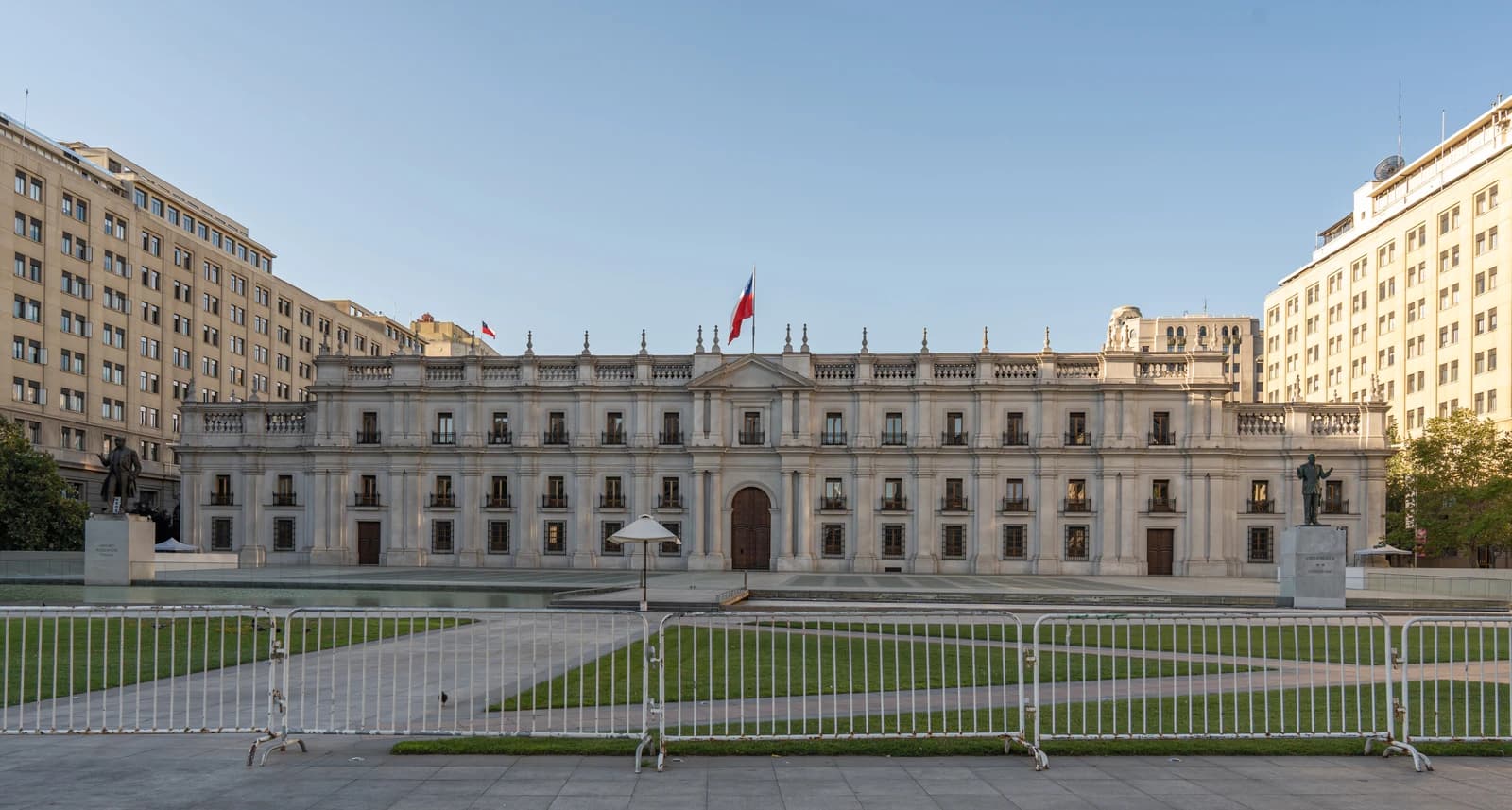
Instability inside Chile’s government is increasingly showing up in markets, with the peso under pressure as key departures and controversy at the Treasury undermine confidence in La Moneda’s ability to steer policy through a fragile macro backdrop.
The immediate economic significance is credibility. For an export-dependent economy facing weaker copper prices, higher US tariffs and firmer global demand for dollars, any sign of disarray at the finance ministry raises the risk premium on Chilean assets and complicates efforts to anchor inflation and capital flows. The peso’s slide toward 948 per dollar reflects that tension, leaving it weaker than its 50- and 200-day moving averages and close to the upper end of its recent Bollinger Band range, a technical signal that downside pressure remains in place.

The market backdrop makes the political noise more damaging than it might otherwise be. Chile has been trying to pair a pro-growth reform agenda with fiscal discipline and a larger pipeline of mining investment, but Treasury instability threatens to slow execution just as investors are trying to assess how much of that agenda can actually be delivered. In a country where policy continuity matters for long-cycle copper projects, ministerial turnover is not just a cabinet headache; it affects discount rates, investment timing and foreign-exchange hedging decisions.
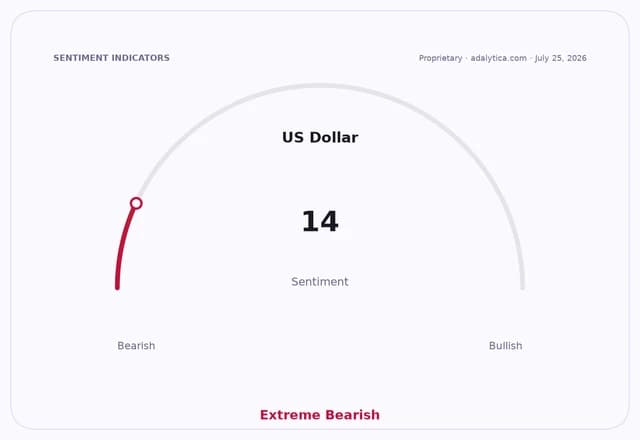
Adalytica’s Treasury Purchase Sentiment Outlook, which has fallen sharply into fear territory, captures the deterioration in confidence. The gauge has dropped 49 points over the past week and sits at 21, suggesting investors are becoming more cautious about local fiscal and funding conditions. That is consistent with the peso’s recent weakness and with the broader move into dollars visible across emerging markets when local political risk rises.
For investors, the key question is whether the controversy stays confined to personnel or spills into policy. A contained reshuffle could eventually reset expectations if the government quickly installs a credible replacement and reaffirms the fiscal and investment framework. But if departures deepen the sense of drift, the market could demand a higher premium for holding Chilean debt and equities, while exporters may benefit from the weaker currency and importers face higher costs.
The contrast with local equities is telling. The iShares MSCI Chile ETF, ECH, has been relatively resilient and remains above both its 50-day and 200-day moving averages, suggesting investors are not yet pricing a full-blown macro break. But the fund has eased in recent sessions even as the peso has weakened, indicating caution about whether political instability eventually bleeds into corporate earnings and domestic demand.
For now, the narrative is less about an immediate crisis than about erosion in trust. Chile’s reforms and investment story still matter, but markets are signaling that Treasury instability could slow the delivery of both, and in the current environment that is enough to keep pressure on the peso and on sentiment toward Chilean assets.
| Entity | Gains | Losses |
|---|---|---|
| Exporters | ▲stronger peso hedges | ▼imported input costs |
| Importers | ▲lower dollar costs unwinds | ▼currency volatility |
| Foreign investors | ▲potential valuation reset | ▼policy risk premium |
| Chile government | ▲chance to reset team | ▼credibility and execution |