Chile rates likely to rise after Fed hike
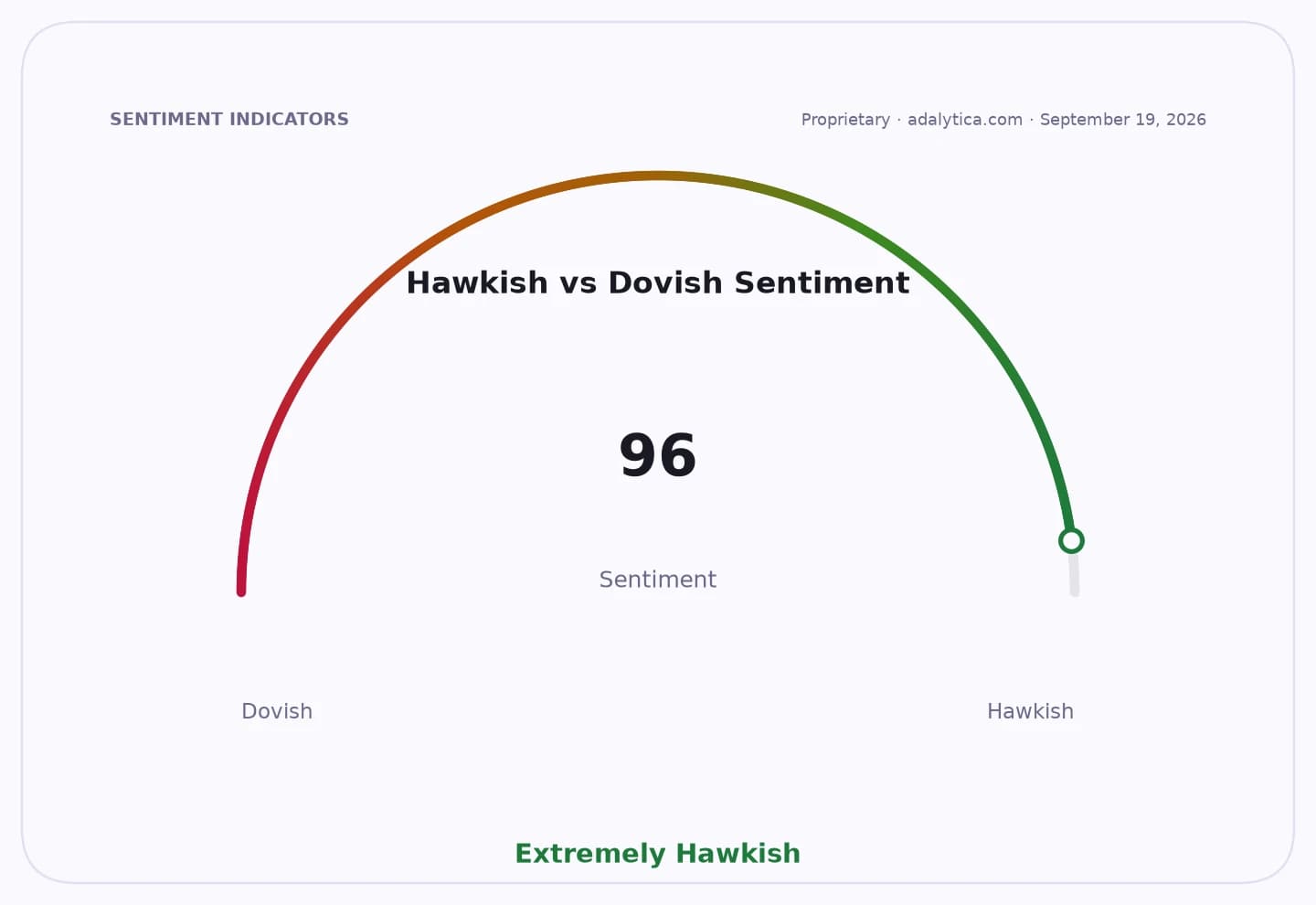
Chile’s next monetary policy move is likely to be a rate hike, not a cut, after the Federal Reserve delivered its first increase since July 2023 and pushed up global funding costs, economists said.
The shift matters because Chile is not reacting only to domestic inflation. A stronger dollar, firmer US yields and tighter global liquidity tend to filter quickly into the peso, imported prices and local asset valuations, limiting the central bank’s room to ease policy even when growth remains weak. For investors, that means the path of Chilean rates is now being shaped as much by Washington as by Santiago.

Héctor Osorio, a partner at PKF Chile, said the most likely outcome at the Banco Central’s next policy meeting is a 25-basis-point increase in the benchmark rate. He argued that higher borrowing costs would help damp inflation without destabilising it, noting that Chile’s price growth, while elevated in the latest month, remains only modestly above the central bank’s target tolerance band.
The Fed’s move is already feeding into Chilean markets. The dollar was around 853 pesos earlier in the year, according to Carlos Smith, an academic at Universidad del Desarrollo, and has since climbed to about 962 pesos, a nearly 13% move that reflects both a stronger greenback and a weaker peso. Smith said the turning point came when Fed officials signalled the possibility of higher rates, showing how even the prospect of tighter policy in the US can reprice Chilean foreign exchange before any actual hike takes place.
That dynamic is a headwind for Chilean risk assets. Javier Mella, of Universidad de los Andes, said the prospect of a firmer dollar and lower demand for local assets should be visible in domestic prices, including the Santiago stock exchange. Higher US rates also make it harder for the Banco Central to resume cuts to its policy rate, because a weaker peso would add imported inflation and constrain the easing cycle.
For the central bank, the trade-off is straightforward but uncomfortable: keep policy too loose and the peso may weaken further; tighten too much and growth and credit demand suffer. For investors, the implication is that Chilean rates, bonds and equities may remain highly sensitive to US monetary policy surprises, with the peso likely to stay the main transmission channel.
Adalytica’s hawkish-vs-dovish Fed policy gauge was in “Extreme Greed,” underscoring how aggressively markets have begun to price in tighter US policy. That does not guarantee a sustained Chilean tightening cycle, but it does suggest the central bank will have less flexibility than previously expected if the Fed remains on a hawkish path.
| Entity | Gains | Losses |
|---|---|---|
| US dollar | ▲Stronger pricing power | ▼Chilean peso |
| Chilean central bank hawks | ▲More room to tighten | ▼Dovish rate-cut bets |
| Local bondholders | ▲Higher carry potential | ▼Borrowers and consumers |
| Santiago equities | ▲Defensive sectors may hold up | ▼Rate-sensitive stocks |